
Livraison le jour même ou le lendemain

Qualité garantie

Débloquez vos offres de bienvenue: Livraison GRATUITE | Jusqu'à -80 % | 30 jours d'essai gratuits à JoyPlus
Téléchargez l'application
A Tenax Textilene privacy screen can transform a fence, patio or balcony into a more private and attractive space. The key is choosing a fabric suited to how you plan to use it. An unsuitable height, eyelets that are too far apart or an underestimation of wind exposure can make installation more difficult and may even weaken the entire structure.
Before placing your order, there are three particularly easy-to-avoid pitfalls:
For a garden privacy screen, start by measuring the section of fence or balustrade you want to cover, then compare this measurement with the roll’s actual height. The 1 × 5 m formats are particularly suitable for balconies, small fences and sections of patio. A 1.5 × 5 m roll can cover a taller area, provided the support is sufficiently robust.
A low-screening product, such as the Tenax Texstyle VIP, reduces visibility while still allowing some light through. It creates a semi-transparent divider, which is useful if you want to preserve brightness and maintain a sense of space. If you are looking for greater privacy, examine the mesh structure carefully rather than relying solely on the colour shown in the photograph.
The Textilene used for these products generally combines PVC and polyester. Some technical specifications state a composition of 70% PVC and 30% polyester or PET, with a weight of between 580 and 700 g/m², depending on the model.
Weight alone is not enough to determine the quality or strength of a fabric. It does, however, provide a useful indication of the textile’s density. You should also check the information relating to:
A UV-resistant privacy screen will generally retain its appearance better when regularly exposed to sunlight. This does not remove the need for careful installation and suitable maintenance. Wind resistance also depends on the tension of the fabric, the number of fixing points and the condition of the fence.
A privacy screen with eyelets can be easily attached using ties, hooks or fixings compatible with the support. On the models shown here, rust-resistant metal eyelets are positioned approximately 30 cm apart along the top and bottom edges.
For a stable installation:
This method is suitable for a patio privacy screen, a balcony privacy screen or a decorative fence, provided you take the support’s limitations into account.
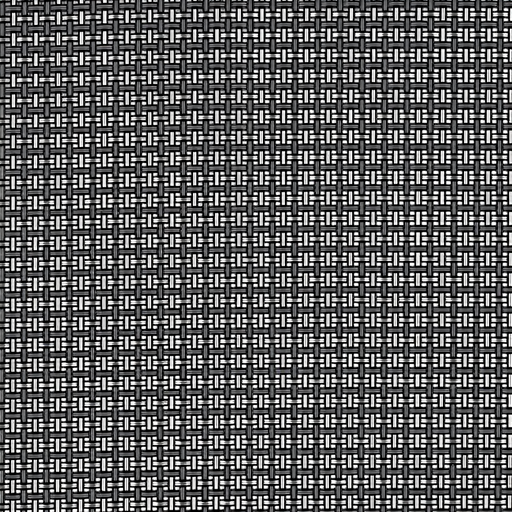
Why this product suits this profile : Its 1 x 5 m format is easy to handle when installing a screen for the first time on a small fence, balustrade or balcony. Its low-screening mesh also allows some light through.
The low-screening specification prevents visual filtering from being confused with an opaque divider. Eyelets spaced 30 cm apart allow for regular fixing.
Textilene stated at 700 g/m², made from 70% PVC and 30% polyester, in grey, black and silver, with a cut-to-size finish designed not to fray.
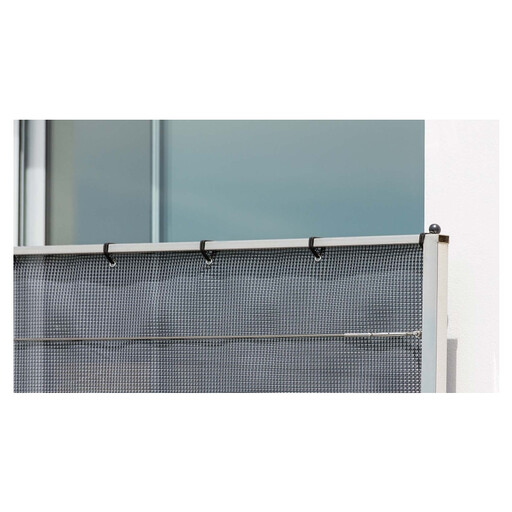
Why this product suits this profile : Its 1.5 m height is suitable for fences and patios that need greater coverage. Its two-tone look works well with contemporary façades.
The product details specify that this is a low-screening screen: it reduces visibility without promising complete opacity. The fixing must therefore remain suitable for the level of wind exposure.
1.5 x 5 m format, fine grey, black and silver texture, and Textilene construction designed for outdoor use.
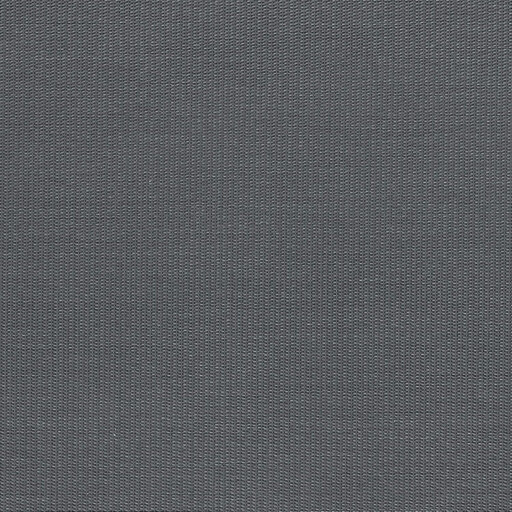
Why this product suits this profile : This 1.5 x 5 m roll is designed for large areas and installations requiring a dense textile, particularly on a garden fence or an exposed patio.
Its stated weight of 580 g/m² and eyelets spaced 30 cm apart provide practical points of reference, rather than a simple promise of durability.
Stated composition of 70% PVC and 30% polyester, steel grey finish, cut-to-size fabric designed not to fray, and UV stabilisation specified in the product details.
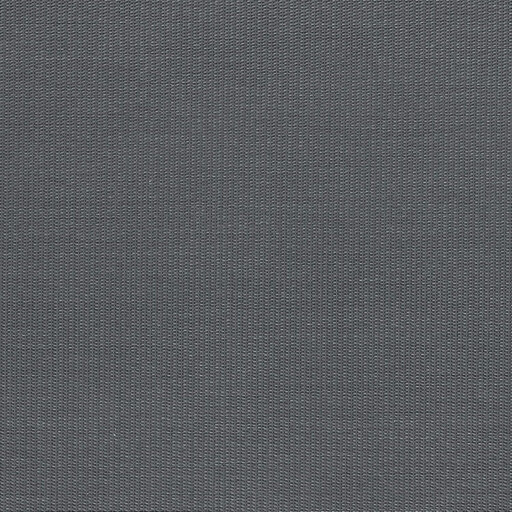
Why this product suits this profile : Its 1 m width is suitable for a balcony balustrade, a section of fence or a decorative divider that does not require much height.
Its compact format minimises unnecessary cutting. Fixing the fabric at each eyelet reduces loose sections, which are often responsible for tearing during strong gusts.
1 x 5 m roll, steel grey finish, integrated eyelets and intended for use in gardens, on patios and balconies.
We have compiled a complete, real-time updated list of products that meet these demanding selection criteria and European safety requirements.
Before installation, unroll the fabric on a clean surface and identify the various fixing points. On wire fencing, strong ties will generally do the job; on a balustrade or frame, choose a system compatible with the material. Make sure the tension remains even, without pulling excessively on the eyelets.
For maintenance, remove dust regularly, then rinse the fabric with clean water. If necessary, use a soft sponge and a mild cleaning product. Keep it away from flames and intense heat sources, and avoid abrasive products. After a period of strong winds, inspect the fixings and remove the fabric if the support appears unstable.
Align the eyelets with the horizontal or vertical wires of the fencing, then use suitable ties. Secure the top and bottom edges at regular intervals, without leaving large unsupported sections. On flexible fencing, also check the condition of the posts and anchor points.
It depends on exposure to sunlight, how often strong gusts occur, the quality of the support and the tension applied. A UV-stabilised fabric that is properly secured can retain its structure and appearance for longer. However, there is no universal lifespan that applies to every installation.
Not necessarily. Low-screening models reduce visibility while still allowing light through. To choose the right level of privacy, check the description of the weave, the height and the intended use, rather than relying solely on the colour.