Which criteria should you check first?
Start by distinguishing culinary coconut milk from coconut plant-based drink. Then compare the nutritional information for products intended for the same use, taking into account how much you’ll use.
| Criteria |
What to check |
Who is it for? |
| Carbohydrates and sugars |
The figures per 100 ml, then the amount you’ll actually use; check the ingredients list if you’re looking for a recipe with no added sugars. |
If I add coconut milk to porridge, I want to be able to take the amount used into account alongside the other ingredients in the meal. Around 42% of consumers put carbohydrates and sugars at the top of their list of criteria. |
| Saturated fat and portion size |
The fat and saturated fat figures per 100 ml, as well as how the total volume is divided between portions of the recipe. |
For a sauce or curry, I want to keep the flavour and texture I’m looking for without losing sight of how much coconut milk is served. Portion size and saturated fat are the main priority for around 33% of consumers. |
| Organic certification and ingredients |
The organic label on the product you buy, followed by the ingredients list and the percentage of coconut, if stated. |
I’m mainly looking for organic certification and ingredients that suit my preference for a short recipe or one with a thickener. Around 25% of consumers prioritise these features. |
Culinary coconut milk available on Joybuy
These two products are intended for cooking, including sauces and breakfast dishes. If you’re looking for a drink instead, check the product category before comparing its ingredients.
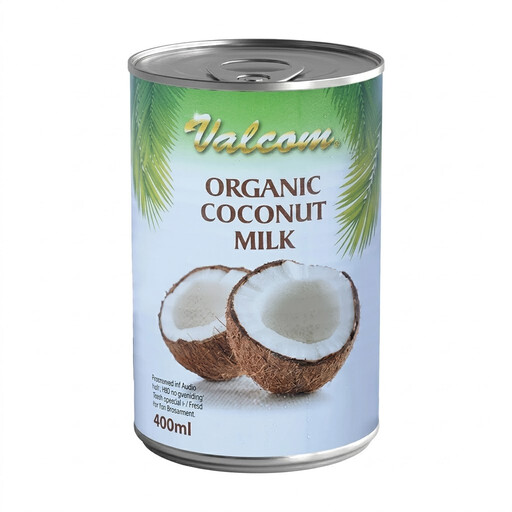 Image unavailable
Valcom Organic Coconut Milk, 400 ml
For recipes where you’re happy to use coconut milk containing guar gum.
Joybuy’s listing gives the following figures per 100 ml: 2.8 g of carbohydrates, 1.6 g of sugars, 17.4 g of fat and 16.1 g of saturated fat. Adjust these figures to the amount you use in your dish.
If organic certification influences your choice, check the label on the packaging you receive.
View on Joybuy
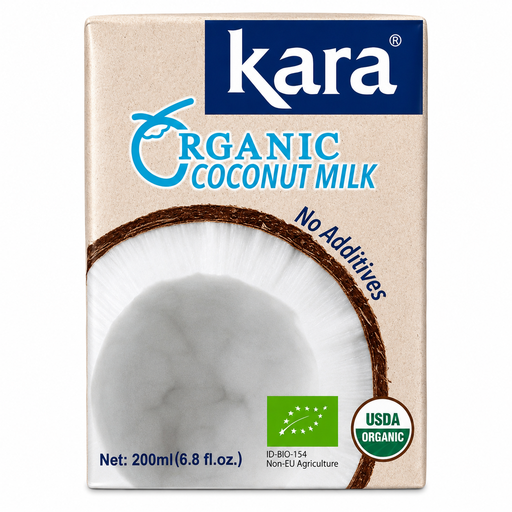 Image unavailable
KARA UHT Organic Coconut Milk, 17%, 200 ml
The 200 ml size may suit you if you only need a small amount of coconut milk for a recipe.
To compare this product with other culinary coconut milks, check the carbohydrates, sugars, fat and saturated fat per 100 ml on the packaging. Also check the ingredients list and organic label if these are important to your choice.
View on Joybuy
Frequently asked questions
Does the organic label mean coconut milk contains less sugar?
No. Organic certification relates to a regulated method of production, not a specific sugar content. If you’re comparing coconut milks for your meals, check the carbohydrates and sugars per 100 ml, then adjust these figures to the amount you use.
Which figures should I check on a tin of coconut milk?
Check the carbohydrates, sugars, fat and saturated fat, then take into account how much you’ll add to the recipe. The French National Health Insurance service recommends comparing nutritional information per 100 g or 100 ml and adjusting it to the amount consumed.
Can I use culinary coconut milk instead of coconut drink at breakfast?
The two categories aren’t interchangeable by default: culinary coconut milk is intended for recipes, while coconut plant-based drink is made to be drunk. For porridge or cereal, first choose the type of product you need, then check the ingredients and nutritional values of the specific product.
How should I store coconut milk after opening?
Follow the instructions on the packaging you buy. The listings for the KARA and Valcom Bio products mentioned here say to refrigerate after opening and use within three days; don’t automatically apply this time limit to another product.


