People keeping an eye on fat when they cook
For a curry, soup or sauce, compare the fat content per 100 g or 100 ml, then factor in how much you’ll use. A ‘light’ version is still a cooking ingredient, not a coconut drink.


To keep fat intake down, start by choosing a product for the way you plan to use it, then compare the nutrition information and the amount used per serving. The words ‘mature’ and ‘light’ aren’t enough to make the decision for you. Culinary coconut milk can give a sauce or curry the texture it needs; coconut plant-based drinks are better suited to drinking and aren’t automatically a suitable substitute in cooking.
For a curry, soup or sauce, compare the fat content per 100 g or 100 ml, then factor in how much you’ll use. A ‘light’ version is still a cooking ingredient, not a coconut drink.
If creaminess matters to your dish, look at culinary coconut milk and the amount you’ll need before considering a coconut plant-based drink as a substitute.
For a glass, coffee or breakfast, consider coconut plant-based drinks as a separate category. Check the product’s own label rather than assuming it has the same nutritional values as culinary coconut milk.
First, think about the role coconut will play in your recipe or drink. The texture you’re after and how much you’ll consume matter just as much as the word ‘light’ on the packaging.
Consider it: when a creamy texture is important to your dish.
Bear in mind: check the fat content of the product you choose and the amount you’ll actually use.
Consider it: if you need a coconut cooking ingredient and want to compare products with different fat contents.
Bear in mind: ‘light’ describes a version of the product; it doesn’t mean the fat content will suit every serving size.
Consider it: for drinking or breakfast, rather than for making a creamy sauce.
Bear in mind: check the result you’re looking for before swapping it for culinary coconut milk in a recipe.
| Criterion | What to check | Who is this for? |
|---|---|---|
| Fat | Check the value per 100 g or 100 ml and the amount planned per serving. Use the same basis when comparing two products. | I want to make a coconut dish while prioritising how much fat I consume. Around 50% of consumers put reducing fat first. |
| Cooking texture | Check the product name and ingredients to distinguish coconut milk for cooking from a plant-based drink. | For a sauce or slow-cooked dish, I prioritise the texture I’m looking for and adjust the serving accordingly; around 30% of consumers put this cooking requirement first. |
| Drinks | Look for the ‘plant-based drink’ category, then check its fat and sugar content for the way you plan to use it. | If you’re using coconut in coffee or at breakfast rather than in a sauce, I look first for a suitable drink; around 20% of consumers prioritise this use. |
Carrefour France’s product information for Kara Light lists 13 g of fat per 100 ml. The name of the version alone doesn’t tell you how much you’ll use in your dish.
Check the nutrition information and work out the amount for your planned serving before choosing.
Carrefour France lists 18 g of fat per 100 g for Carrefour Sensation, compared with 1.2 g per 100 g for the Alpro coconut drink shown on its website. These products also belong to two categories with different uses in cooking.
For a sauce, check the texture you need; for a drink, compare the labels of plant-based drinks.
Carrefour France’s product information lists 17 g of fat per 100 ml for Carrefour Bio and 18 g per 100 g for Carrefour Sensation. These descriptions don’t replace checking the nutrition information.
Consider production methods, ingredients and fat content as separate criteria.
The French Ministry of the Economy reminds consumers that a use-by date is no longer enough to guide storage once the packaging has been opened.
Follow the temperature and storage-time instructions for after opening on your product.
If an opened product isn’t stored as instructed, you may need to throw it away before the printed date.
The figures below apply to the specific products mentioned, not to every product made by each brand.
Kara Light is a coconut milk designed for cooking.
‘Unsweetened coconut plant-based drink’ belongs to the drinks category, not the category of culinary coconut milk.
Carrefour Sensation and Carrefour Bio let you compare the ingredients and nutrition information of two culinary coconut milks separately.
These products are culinary coconut milks to consider for cooking. If you’re choosing as part of a low-fat diet, compare their labels and the amount your recipe needs. This selection doesn’t include coconut plant-based drinks.
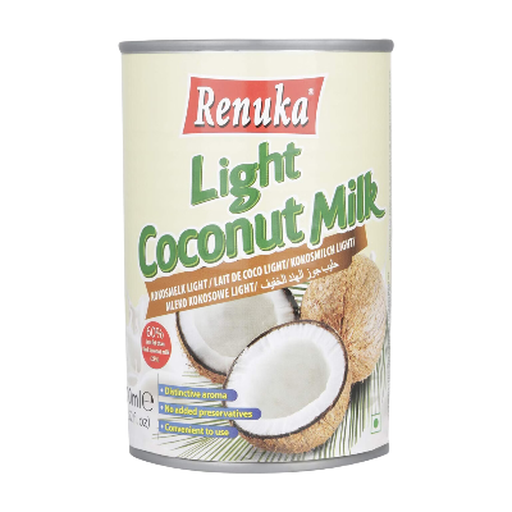 Image unavailable
For a coconut sauce or curry, check the fat content on the label and how much your recipe needs.
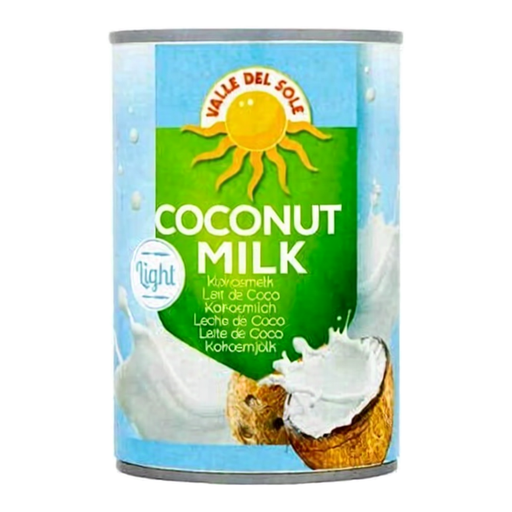 Image unavailable
If you’re looking for coconut milk for cooking, compare its nutrition information with other products on the same quantity basis.
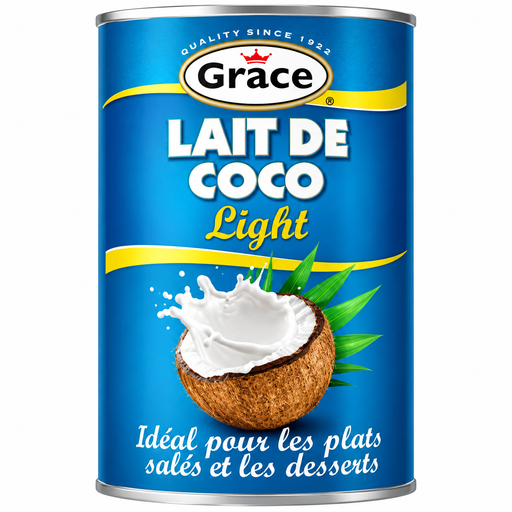 Image unavailable
When using it for cooking, check the fat per serving and the storage instructions for after opening on the packaging.
The word ‘mature’ doesn’t tell you how much fat the product contains. Instead, check the value per 100 g or 100 ml, then work out how much you’ll use in your recipe.
You can in some dishes, but you’ll need to consider the texture you’re after. If your sauce or dessert relies on the creaminess of culinary coconut milk, try a small amount of the drink in the recipe first.
Start with the product names, ingredients and nutrition information. The DGCCRF states that nutrition information is given per 100 g or 100 ml. In particular, check fat, energy, sugars and salt, taking the unit shown into account.
Follow the temperature and storage-time instructions for after opening on the packaging. The French Ministry of the Economy explains that the printed use-by date is no longer enough once the product has been opened.