
Livraison le jour même ou le lendemain

Qualité garantie

Débloquez vos offres de bienvenue: Livraison GRATUITE | Jusqu'à -80 % | 30 jours d'essai gratuits à JoyPlus
Téléchargez l'application
A fragrant curry, a creamy Thai soup, an exotic dessert... Coconut milk is the secret ingredient in countless recipes. But once you're in the supermarket, the choice can be overwhelming?: dozens of cans, fat percentages that vary wildly, and seemingly endless ingredient lists. Don't panic. This guide is here to help you decipher the labels and choose the perfect coconut milk for any dish, without getting lost in marketing jargon. Follow our advice to find that hidden gem.
Before you fill your basket, here’s what truly sets one coconut milk apart from another. Three key points to check for a successful purchase.
This is the number one criterion. The fat percentage determines the richness, texture, and how your coconut milk will behave when cooked.
Good coconut milk often comes down to just two ingredients: coconut extract and water. That's it. Many cans include a stabiliser (like guar gum, E412) or an emulsifier to prevent the cream from separating from the water—a completely natural process. As a general rule, a short ingredient list is an excellent sign. And while most coconut milks are naturally vegan, checking for a vegan coconut milk label only takes a second.
The most common format is the 400ml can. This size is perfect for most recipes designed for 4 people, which helps prevent waste. A quick tip: shake the can well before opening to mix the contents back together, especially if it contains no additives.
To put theory into practice, we've selected three products with very different profiles, each a standout in its category.
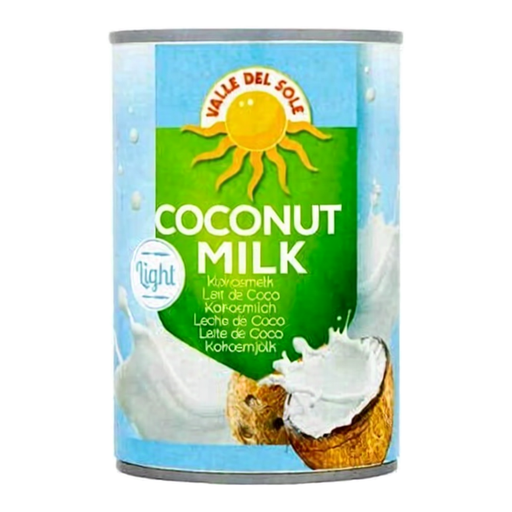
Why we love it: It's the perfect partner for light dishes. With only 6% fat, it delivers authentic coconut flavour without the richness of classic versions. Its ingredient list is a model of simplicity.
Pros:
Who is it for? For those looking to lighten up a curry, or prepare a fragrant soup or velouté without sending the calorie count soaring.
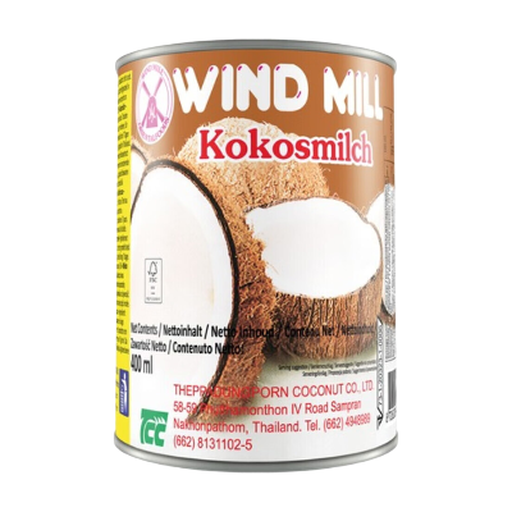
Why we love it: This is the Swiss Army knife of our selection. With 13.9% fat (from 42% coconut extract), it strikes the perfect balance between creaminess and fluidity. A true all-rounder.
Pros:
Who is it for? For anyone who wants a single, versatile coconut milk in their pantry, capable of elevating a Thai curry, a tom kha kai soup, or adding an exotic touch to a simple vegetable dish.

Why we love it: This is the choice for purists and foodies. With 19% fat and 60% coconut extract, this is a rich and intense product. The best part? Its 100% natural composition: just coconut and water.
Pros:
Who is it for? For budding pastry chefs and cooks who demand a velvety texture and uncompromising coconut taste. Ideal for custards, vegan ice creams, panna cotta, or for thickening a sauce at the end of cooking.
Our selection covers the essentials, but the world of coconut milk is vast. To discover other origins, specific formulations, or simply to explore all the possibilities, our full range is at your disposal.
Discover Our Full Range of Original Coconut Milk
The main difference lies in the fat content, and therefore the texture. Coconut milk typically has between 5% and 15% fat, making it quite liquid. Cooking coconut cream, on the other hand, is much richer (often over 20%), with a thick consistency similar to heavy cream.
Definitely not for hot dishes! Cartoned coconut drinks are designed to be consumed as is. They are very diluted (often with less than 5% coconut extract) and also contain sugar, flavourings, and thickeners that don't hold up well to heat. You won't get the creaminess or the authentic taste needed for a good curry.
Once a can of coconut milk is opened, never leave it in its metal tin. Transfer the leftovers to an airtight container (glass is ideal) and store it in the refrigerator, where it will keep for about 3 days. The ultimate anti-waste tip? Freeze it in small portions, like in an ice cube tray, for future recipes.