
Livraison le jour même ou le lendemain

Qualité garantie

Débloquez vos offres de bienvenue: Livraison GRATUITE | Jusqu'à -80 % | 30 jours d'essai gratuits à JoyPlus
Téléchargez l'application
The fruit juice aisle can be a minefield. Between the colourful packaging and marketing promises, it's hard to know what you're really getting. A simple orange juice can conceal very different realities, leading to disappointment and wasted money. Before you make your next purchase, let us help you avoid the most common pitfalls.
The first hurdle: the jungle of labels. You thought you were buying 100% pure fruit juice, but you end up with a sugary drink that's orange in name only. The second trap involves appliances: that electric citrus juicer that promises the world, but is so tedious to clean it ends up in a cupboard after two uses.
Our goal is to give you clear, practical guidelines to finally find the product that meets your needs, whether it's for a family breakfast, a healthy break, or the simple pleasure of freshly squeezed juice.
To make an informed purchase, the first step is learning to read between the lines on the labels. European and French regulations are very strict, mandating specific names that reveal a lot about the bottle's actual contents.
Beyond the label, two criteria will help you narrow down your options, whether you're buying bottled juice or an appliance to make it yourself.
For bottled juices, a short ingredient list is always a good sign. If you're looking for a healthy option, choose an orange juice with no added sugar. Note that this doesn't mean the product is sugar-free; it contains the sugars naturally present in the fruit. The key is to check that no extra sugar, glucose-fructose syrup, or sweeteners have been added. For an orange multi-fruit juice, check the percentage of each fruit to ensure the orange isn't just for show.
If you prefer homemade juice, don't be swayed solely by the wattage of an electric citrus juicer. For daily use, the most important criterion is ease of use and maintenance. Check the following points:
To put theory into practice, here is our selection of products that meet clear needs, in line with the criteria we've just discussed.

Why we chose it: Perfect for those who want full control over the freshness and composition of their juice. It lets you prepare pure, additive-free orange juice in seconds, right at home.
Its fully detachable design tackles the main drawback of citrus juicers: the cleaning chore that condemns them to the back of the cupboard.
Offers 5 adjustable pulp levels for a customised juice. Its bladeless design makes it safer for family use.
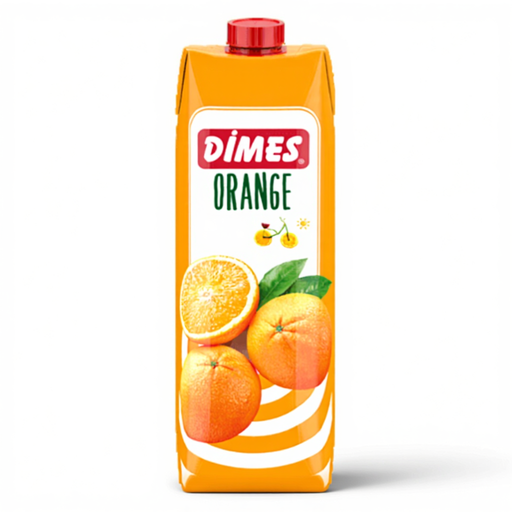
Why we chose it: A practical and healthy solution for the whole family. This 1L format is perfect for accompanying meals or for daily consumption with peace of mind.
This is a 100% pure orange juice, with no added sugar, preservatives, or colourings. It avoids the trap of "fake" orange drinks, which are often overly sweet.
A natural and balanced taste, rich in Vitamin C. Its Tetra Pak carton ensures good preservation and is very practical for daily use.
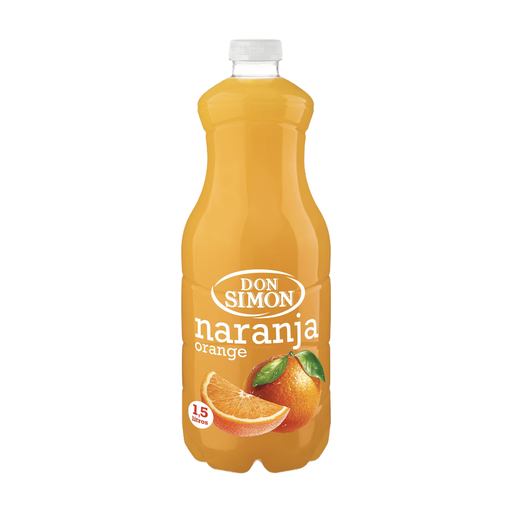
Why we chose it: For those looking for a fruity and refreshing drink in a large, economical format, this nectar is an excellent compromise.
The label is transparent: it is clearly an orange nectar, not a pure juice. The consumer knows what they're getting.
Its very generous 1.5-litre size makes it a highly economical option for regular consumption or for serving at events.
We have curated a complete selection of products that meet our standards for quality and transparency.
It's simple: a pure orange juice is 100% fruit, with nothing else added (no sugar or water). An orange nectar, on the other hand, contains a minimum of 50% juice, supplemented with water and often sugar. Pure juice is therefore much closer to the original fruit.
Once opened, orange juice, whether it's pure juice or nectar, should be kept in the refrigerator. It's best to consume it within 3 to 5 days to preserve its taste and vitamins. Homemade juice, however, is ideally consumed within 24 hours.
It all depends on the model! Modern appliances are increasingly designed for easy maintenance. The crucial factor is choosing a model where the parts that touch the food (cone, filter, container) are easily removable and clearly marked as dishwasher-safe. This detail is what turns a chore into a quick and simple task.