
Livraison le jour même ou le lendemain

Qualité garantie

Débloquez vos offres de bienvenue: Livraison GRATUITE | Jusqu'à -80 % | 30 jours d'essai gratuits à JoyPlus
Téléchargez l'application
Doing your online grocery shopping has become second nature for many of us. It's a precious time-saver with a virtually endless selection… the advantages are clear. But this jungle of products can quickly turn into a minefield. Between alluring packaging and marketing jargon, it's easy to end up with a cart full of disappointments. Our mission? To give you the keys to navigate this overwhelming selection and make the right choices, without sacrificing flavour.
Before you click "Add to Basket", let's review the most common traps and, more importantly, how to avoid them.
To avoid falling into the trap, a few key habits are all you need. The key? Rely on concrete information rather than marketing speak. It's the first step towards a pantry that's truly packed with flavour.
The golden rule is simple: ingredients are listed in descending order of quantity. The first item on the list is therefore the most prominent ingredient in the recipe.
For a French terrine or country-style p?té worthy of the name, the meat (pork throat, liver, lean meat...) must come first, with a clearly visible percentage. Avoid lists that start with "water", "vegetable fats", or "starch". A good product relies on the simplicity and quality of its main ingredients. Hénaff p?té, with its 91% pork, is a perfect example.
The term regional specialities isn't just a marketing ploy. It implies craftsmanship and ingredients rooted in a specific region. A quality product will be transparent, mentioning the origin of its raw materials: "Hazelnuts from the Southwest", "Piment d'Espelette AOP"... This mark of reliability is the best way to distinguish an authentic product from a pale imitation. It's an essential criterion for appetiser charcuterie with real character.
For pantry stars like hazelnut spread, the devil is in the details. The palm oil-free label has become a reflex for many shoppers. But be careful—check what it's been replaced with! High-quality vegetable oils (rapeseed, sunflower) are a much better sign.
When it comes to world flavours, authenticity lies in the composition. A good curry paste or garlic paste should be concentrated in its main ingredient, not drowned in oil or water. Likewise, a Korean Ssamjang worthy of the name draws its complexity from typical ingredients like koji (barley ferment) or gochujang (fermented chilli paste).
To put theory into practice, here are a few gems that tick all the boxes of our selection criteria.
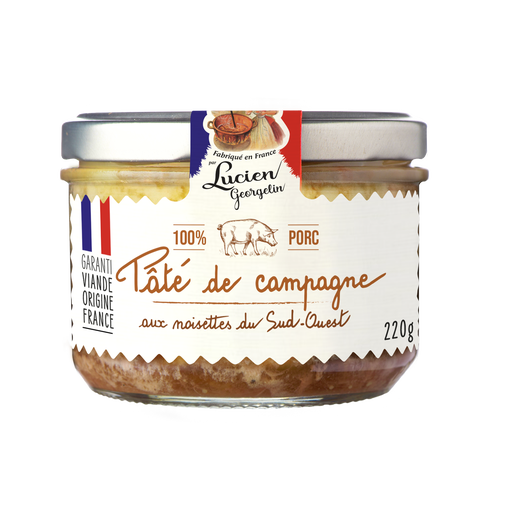
Why we recommend it: Perfect for rediscovering the authentic taste of great charcuterie to share. The recipe focuses on premium ingredients and that little regional touch that makes all the difference on a slice of fresh bread.
This p?té avoids the "pseudo-local" pitfall by clearly stating the origin of its hazelnuts (Southwest France) and featuring a simple ingredient list where pork reigns supreme, without any gimmicks.
Its 6.9% Southwest hazelnuts provide a unique crunch and flavour that clearly set it apart from industrial country-style p?tés.
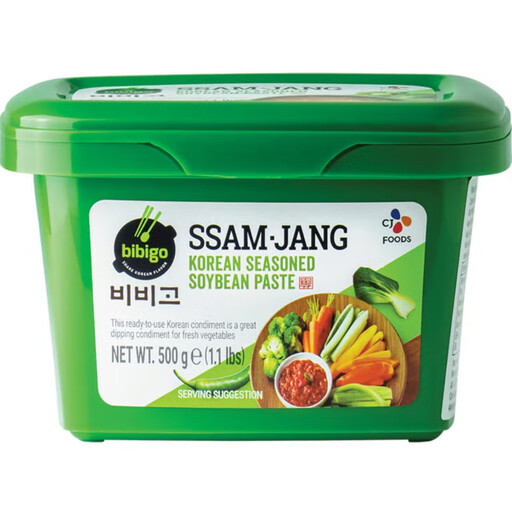
Why we recommend it: A must-have for anyone looking to recreate an authentic Korean barbecue experience at home. This versatile condiment is the perfect sauce (or dip) for grilled meats and crisp vegetables.
It avoids the disappointment of soulless "Asian-style" sauces. This is an authentic Ssamjang, with a recipe that includes traditional ingredients like koji (barley) and a 15% soy content.
Its complex and perfectly balanced flavour (salty, slightly sweet, just spicy enough) makes it a key ingredient for a multitude of Korean recipes, far beyond just barbecue.

Why we recommend it: For families and foodies seeking a high-quality alternative for breakfast or snacks, with a clean ingredient list and no controversial ingredients.
It tackles the hidden-ingredient trap head-on: it's a palm oil-free spread. Its ingredient list is crystal clear and gives pride of place to nuts.
Its generous recipe contains 18.5% nuts (hazelnuts and almonds) and uses a blend of high-quality vegetable oils (rapeseed, cocoa butter, sunflower) for a creamy texture and intense flavour.
We've curated a complete selection of products that meet our quality standards and French regulations.
Once the jar or tin is opened, it belongs in the refrigerator! To preserve its freshness, cover the surface directly with plastic wrap or transfer it to an airtight container. Ideally, it should be consumed within 2 to 3 days.
The first, and certainly not the least, is the time saved: no more commutes and checkout lines. Online grocery delivery also provides access to a much larger product catalogue, perfect for discovering hidden gems, regional specialities, or international ingredients you can't find at your local supermarket. Another major benefit: you can keep an eye on your basket total in real-time, which is ideal for staying on budget.
A quality hazelnut spread can be identified by several clues. Look for a high nut content (hazelnuts, almonds, etc.), ideally above 15%. Check for the absence of palm oil, which should be replaced by more premium vegetable oils. Finally, a short, simple ingredient list with a reasonable amount of sugar is always an excellent sign.