
Livraison le jour même ou le lendemain

Qualité garantie

Débloquez vos offres de bienvenue: Livraison GRATUITE | Jusqu'à -80 % | 30 jours d'essai gratuits à JoyPlus
Téléchargez l'application
Fermented soybean paste is a cornerstone of Asian cuisine, but let's be honest, navigating the jungle of names can be a real challenge. Miso, doenjang, ssamjang… Each paste has its own unique flavour, texture, and primary use. How do you know which one to choose for your miso soup, Korean stew, or marinades??
Don't worry, this guide is here to break it all down for you. We'll decipher the differences and present our selection of the best soybean pastes to elevate your dishes.
To make the right choice, a few simple criteria are all you need to find the ideal product for your recipe.
The origin and composition of the paste are key to its use.
The composition says a lot about the flavour profile. A paste containing chilli, like ssamjang, will naturally have a spicy kick. The presence of rice or barley in miso softens its taste compared to the much more intense doenjang. If you have food sensitivities, be sure to check for wheat (gluten), which is often used in fermentation or as a binding agent.
Fermented soybean pastes cover a wide spectrum of flavours, from the mildest and most subtle to the richest and most robust. If you're just starting out, a white miso or a mild ssamjang are excellent starting points. If you're looking to recreate the authentic, deep flavour of a traditional Korean dish, doenjang will be your best ally.
To get you started, here is our selection of three essential products, each tailored for a specific culinary need.
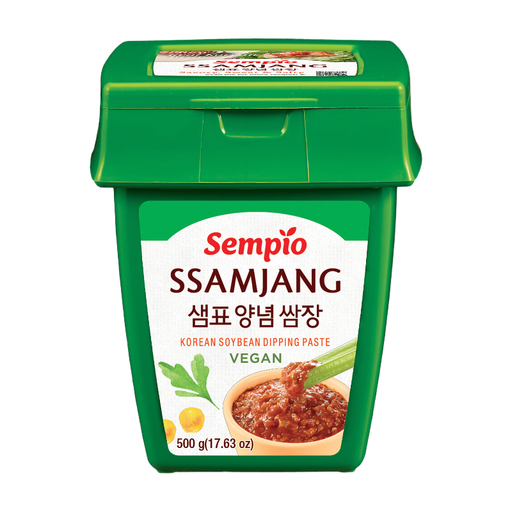
Why we love it
This ssamjang from Sempio is a ready-to-use condiment that embodies the perfect balance of Korean flavours. It marries the richness of soybean paste with garlic, chilli, and toasted sesame for instant aromatic complexity, effortlessly. Its "mild" version makes it accessible to all palates, even the most sensitive.
Highlights
Who is it for??
This is the ideal choice for beginners in Korean cooking or for those looking for an all-in-one solution for a barbecue, raw vegetables, or to jazz up any dish.
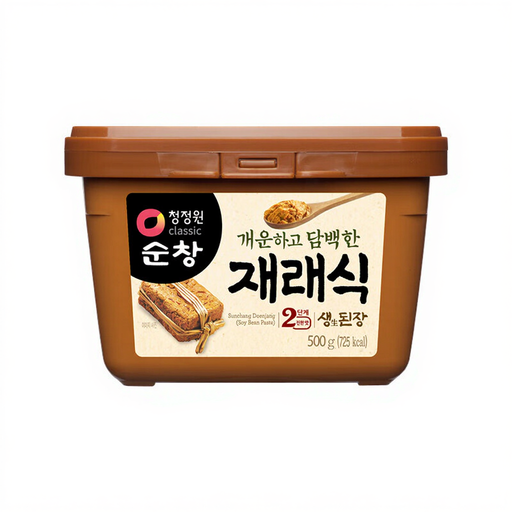
Why we love it
This doenjang from Chung Jung One is a traditional Korean soybean paste, praised for its deep flavour and authentic character. It's the base ingredient that provides the rich and complex umami flavour essential to Korean soups and stews like doenjang-jjigae.
Highlights
Who is it for??
For cooks who want to capture the authentic taste of Korean dishes. If a recipe calls for doenjang, this product is a safe bet to get it right.
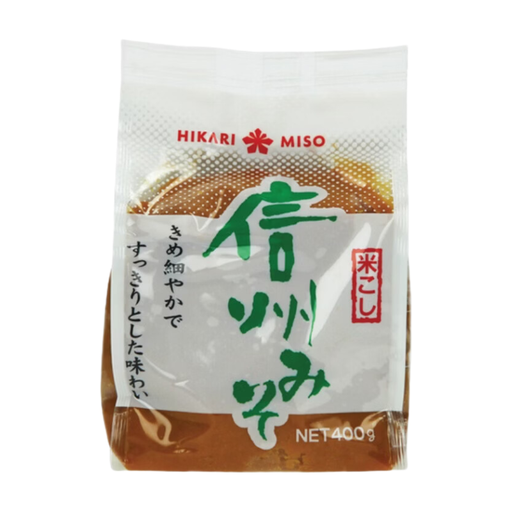
Why we love it
This Shinshu-type white miso paste from Hikari Miso is a staple of Japanese cuisine. Its smooth texture and mild yet savoury flavour make it an incredibly versatile ingredient. It dissolves very easily, which is perfect for soups and sauces.
Highlights
Who is it for??
This is the product of choice for making homemade miso soup, creamy vinaigrettes, or light marinades for fish and vegetables. Its mildness makes it an ideal entry point into the world of miso.
Our selection covers the most common uses, but the world of fermented pastes is much vaster and more nuanced. If you're curious to discover other types of miso, more aged doenjang, or other regional specialities, the possibilities are endless.
Explore our complete collection of fermented condiments to find the hidden gem that will inspire your next dish.
1. What is the main difference between miso and doenjang?? The biggest difference lies in their ingredients and taste. Miso (Japan) is fermented with koji (a culture based on rice or barley), which gives it a milder, more nuanced taste. Doenjang (Korea), on the other hand, is made only from soybeans and brine, resulting in a more raw, straightforward, and salty flavour.
2. How should I store soybean paste after opening it?? Once opened, store the paste in the refrigerator, either in its original, tightly sealed container or in an airtight container. Fermentation is a natural preservative, but the cold will best preserve its freshness and aromas. It will easily keep for several months this way.
3. Are fermented soybean pastes vegan?? In principle, yes. Miso, doenjang, and ssamjang are made from soybeans. However, it's always wise to check the ingredient list. Some products may contain additives or be cross-contaminated with animal products (like fish extracts). The products in our selection are compatible with a vegetarian diet, but checking the allergen list is always a good habit.