
Livraison le jour même ou le lendemain

Qualité garantie

Débloquez vos offres de bienvenue: Livraison GRATUITE | Jusqu'à -80 % | 30 jours d'essai gratuits à JoyPlus
Téléchargez l'application
Korean cuisine has taken our kitchens by storm with its explosive and comforting flavours. At the heart of its most iconic recipes are fermented pastes, the very soul of the cuisine from the Land of the Morning Calm. Yet, once you're in the grocery aisle, it can be hard to tell the difference between Gochujang, Doenjang, and Chunjang. Each has its own distinct character and a well-defined role.
This guide is here to help you make sense of it all. We're breaking down these essential Korean condiments so you'll finally know which one to choose for your next homemade bibimbap, an authentic jjajangmyeon recipe, or simply to spice up your daily meals.
Before you rush headlong to the Asian food aisle, here are a few things to keep in mind to make sure you leave with the essential Korean cooking ingredients that suit your tastes.
Each paste has a dominant flavour profile that makes it ideal for specific dishes:
The composition says a lot about the flavour profile. A good Gochujang will contain chilli powder, glutinous rice, and fermented soybeans. Doenjang is made primarily from soybeans and salt. Chunjang, on the other hand, is made from wheat flour, soybeans, and caramel, which give it its distinctive colour and taste. Glancing at the ingredient list helps you anticipate the flavour and texture.
As with any product, it's wise to check the label for salt and sugar content. Be aware: these pastes almost always contain soy and wheat. If you have food sensitivities or allergies, caution is advised.
To get you started without any fuss, here is our selection of three essential pastes that will open the door to Korean cuisine.
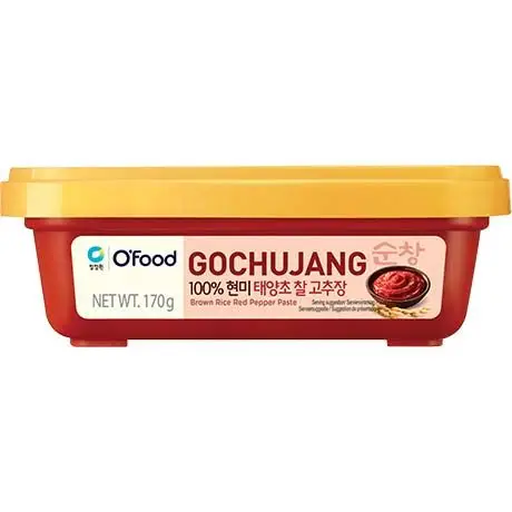
What sets it apart
This Gochujang chilli paste offers a perfect balance between the heat of the chilli, the sweetness of the corn syrup, and the deep umami of fermented soybeans. Its thick, smooth texture incorporates easily into sauces, marinades, and soups, delivering that characteristic Korean flavour.
Highlights
Who is it for? For anyone looking to add a flavourful, spicy kick to their dishes. It's the perfect starting point for getting acquainted with the bold flavours of Korea.
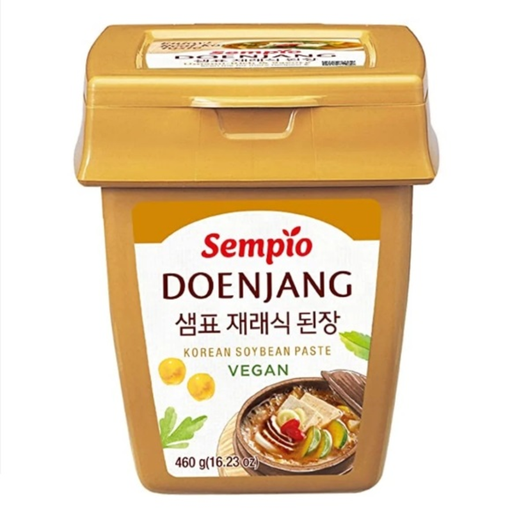
What sets it apart
Sempio's Doenjang is the result of a slow fermentation process, which gives it a rich and deep umami flavour that is much more robust than Japanese miso. A paste with character, its earthy and salty notes are the signature of many comforting Korean dishes.
Highlights
Who is it for? For purists who want to experience the authentic taste of Korean soups and stews. It's the key ingredient for rich, comforting meals.
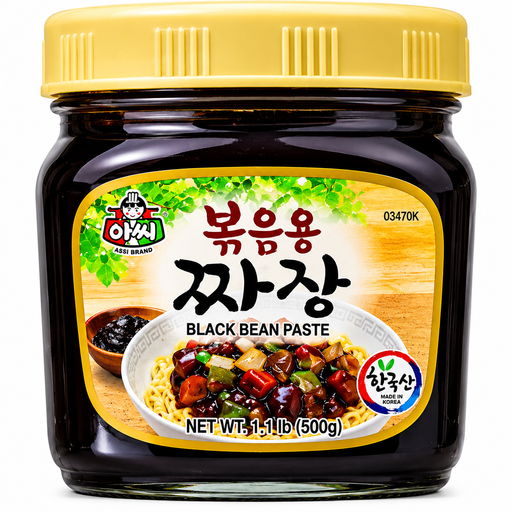
What sets it apart
This black bean paste is the go-to for making a Jjajangmyeon worthy of the name—the famous noodle dish smothered in a black sauce. Its flavour is rich, salty, and slightly sweet, and its dark colour comes from caramel. Once pan-fried with meat and vegetables, it becomes smooth and releases unique aromas.
Highlights
Who is it for? A must-have for anyone dreaming of making an authentic jjajangmyeon recipe at home. This is the game-changing ingredient.
This powerhouse trio is the perfect foundation for exploring Korean cuisine. If you want to discover other condiments, ready-to-use sauces, or alternatives suited to specific diets, many other options are available.
To explore a wider variety of condiments, check out our vegetarian sauce category.
It all comes down to the ingredients and taste. Gochujang is a fermented chilli paste, which gives it a spicy and sweet-savoury flavour. Doenjang is a Korean soybean paste, offering a purely salty and umami taste with no chilli heat. In short, you cannot substitute one for the other in a recipe.
Absolutely. While it's the star ingredient in Jjajangmyeon, Chunjang can serve as a flavour base for other stir-fried dishes. Its rich, salty taste pairs very well with pork, chicken, or vegetables. Just be sure to use it sparingly.
Once the jar is open, it belongs in the fridge! Always store them in the refrigerator in their tightly sealed original container or an airtight jar. This is the best way to preserve their freshness and flavour and to slow down the fermentation process. When in doubt, always follow the storage instructions on the packaging.