
Livraison le jour même ou le lendemain

Qualité garantie

Débloquez vos offres de bienvenue: Livraison GRATUITE | Jusqu'à -80 % | 30 jours d'essai gratuits à JoyPlus
Téléchargez l'application
Hair that becomes greasy in no time, dry lengths, a sensitive scalp or unruly beard: the right hair care depends above all on your actual needs. Yet packaging often lines up claims such as “natural”, “gentle” or “nourishing” without explaining what the formula really contains.
Here are the criteria to examine before buying natural shampoo and hair care, along with a selection of products suited to several different needs.
A high percentage of ingredients of natural origin does not automatically make a product organic. A formula made up of 97 or 98% ingredients of natural origin may still contain components needed for preservation, fragrance or texture, without being organically certified.
To tell the difference, look for a clearly displayed label on the packaging, such as COSMOS ORGANIC, together with the name of the certifying organisation. This certification does not guarantee that the shampoo will suit every hair type, but it does impose controls on several aspects of the formulation.
A sulphate-free shampoo may be worth considering if you prefer a lighter lather or a less stripping feel. However, how gentle a product feels depends on the formula as a whole, as well as the fragrance, how often you wash your hair and the way you massage your scalp.
Conversely, a shampoo containing sulphates is not necessarily unsuitable. The most useful approach is to check the INCI list and make sure it matches your needs. For example, Le Petit Marseillais Purifying Shampoo contains Ammonium Lauryl Sulfate, despite having 98% ingredients of natural origin and a silicone-free formula.
Shampoo is primarily designed to cleanse the scalp and hair. It does not necessarily replace a detangling conditioner, particularly when your lengths are dry, curly, long or regularly exposed to heat from a hairdryer.
Instead, apply conditioner to the lengths and ends. If your roots tend to become greasy quickly, avoid saturating them with product.
A silicone-free formula may leave your hair feeling less coated and more natural. In return, ease of detangling will depend more on the conditioning agents and the conditioner you use.
Sulphate-free products may suit those who prefer a different cleansing base, but this claim should be checked against the ingredients list rather than taken at face value.
The product information presented here reflects the features stated by the manufacturers. It is neither a medical guarantee nor a promise of identical results for everyone.
A hypoallergenic shampoo is designed to reduce the risk of an allergic reaction, but it does not eliminate it entirely. If your scalp reacts easily, check the INCI list and look in particular for fragrance ingredients and regulated allergens that must be declared, such as limonene, linalool or geraniol.
In the event of irritation, stop using the product immediately, rinse thoroughly and seek advice from a healthcare professional if necessary.
A refillable shampoo or an eco-refill can reduce the amount of plastic used. However, remember to compare the volume and price per millilitre. According to the manufacturer’s information, the DOP formats presented below use 58% less plastic than a standard 480 ml bottle.
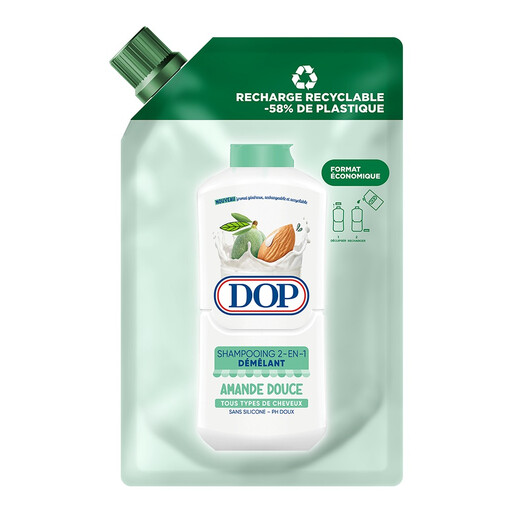
Why this choice suits this profile : with its 500 ml size and 2-in-1 formula, it is ideal for a first family routine designed to reduce the number of bottles needed.
The product information states that it has a silicone-free formula, a gentle pH and packaging that uses 58% less plastic than the standard size.
500 ml, sweet almond extract, silicone-free formula and made in France.
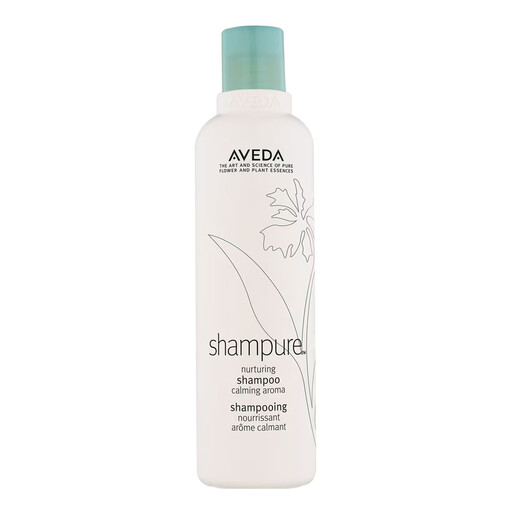
Why this choice suits this profile : it is aimed at shoppers who value a sensory experience, fragrance and a formula claimed to be 96% vegan and of natural origin.
The formula is stated to be free from silicone and mineral oil. However, the INCI list allows you to check for the presence of fragrance and declared allergens.
250 ml, claimed vegan formula, babassu oil and a fragrance of lavender, orange blossom and ylang-ylang.
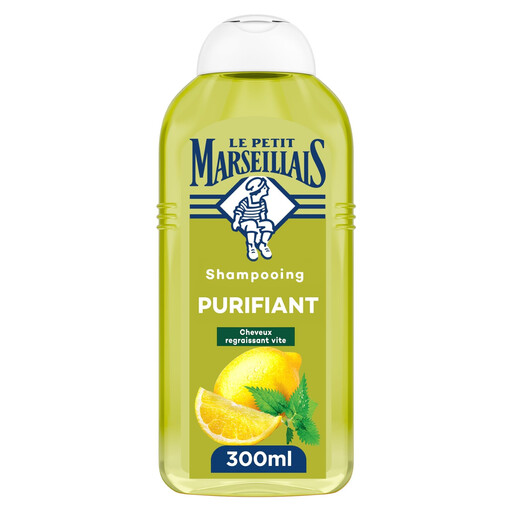
Why this choice suits this profile : its purifying purpose makes it suitable for hair that becomes greasy quickly, particularly after regular exercise.
It does not claim to suit every hair type: the product information is aimed at oily or combination hair and specifies that it contains a sulphate.
Claimed 98% ingredients of natural origin, silicone-free formula, recyclable 300 ml bottle and made in France.
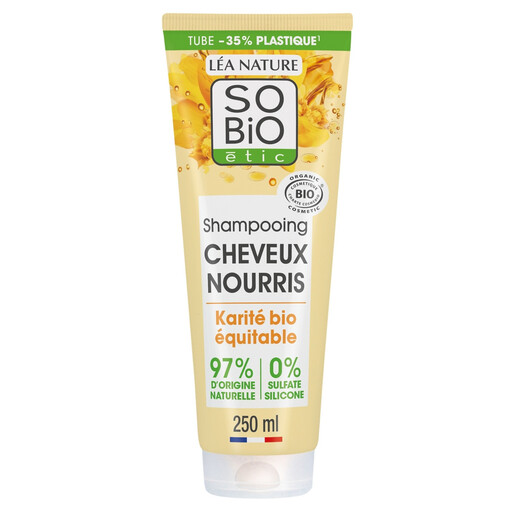
Why this choice suits this profile : it is clearly aimed at dry to very dry hair, with a certified formula that is free from sulphates and silicone.
The “dry to very dry hair” claim clearly defines its target audience, rather than promising universal effectiveness.
Organic shea butter from fair trade, jojoba wax, a claimed 97% natural origin, COSMOS ORGANIC certification and made in France.
To complete your routine, the SO’BIO ETIC detangling conditioner with organic almond and rice proteins is a silicone-free, COSMOS ORGANIC-certified option. Men can also choose the Monsieur Barbier Full Care organic beard oil, designed for use on both the beard and hair. Its dry texture is described as non-greasy, but it is best to start with a small amount to avoid weighing down the lengths.
No. An organic shampoo may be designed for oily, dry, normal or sensitive hair. Always check the target hair type, the INCI list and the recommended frequency of use.
It depends on the period after opening and the date shown on the packaging. Close the bottle after every use and keep it away from heat and sunlight. If the smell, colour or texture changes, it is best not to take any risks and throw the product away.
No. The term “vegan” means that the product contains no ingredients of animal origin. It does not guarantee that the formula is free from fragrance or allergens, nor that it is hypoallergenic. Check the ingredients list and choose a hair care product that is compatible with your own sensitivities.