
Livraison le jour même ou le lendemain

Qualité garantie

Débloquez vos offres de bienvenue: Livraison GRATUITE | Jusqu'à -80 % | 30 jours d'essai gratuits à JoyPlus
Téléchargez l'application
Hair that becomes greasy quickly, dry lengths or curls that are difficult to tame? Choosing a shampoo is about more than its fragrance or the promise on the bottle. The right formula should suit your scalp, the condition of your lengths and how often you wash your hair.
By Joybuy Product Recommendation Officer, here are the criteria to review to avoid disappointing purchases and compare the different options more easily.
An oily scalp can easily occur alongside dry ends. Applying a highly nourishing shampoo to the roots may weigh them down, while using a purifying shampoo on fragile lengths can make detangling even more uncomfortable.
If your hair is combination, apply the product mainly to the scalp and simply let the lather run through the lengths when rinsing. A balancing shampoo, such as Dessange’s white clay formula, may meet this need: its description mentions oily roots and dry ends.
Sulphates are cleansing agents that help create lather. Their presence alone is not enough to judge the quality of a formula. Some people nevertheless prefer sulphate-free shampoos, particularly for gentler cleansing or to avoid certain cleansing agents.
Silicones help hair glide smoothly and often give it a smoother feel. Conversely, those looking for a lighter feel may prefer a silicone-free formula. In all cases, it is better to check the INCI list than rely solely on a marketing claim.
Terms such as ‘repairing’, ‘detox’ or ‘intense nourishment’ indicate a cosmetic focus, but do not guarantee a lasting transformation of the hair fibre. Shampoo is rinsed off quickly: its primary purpose is to cleanse the scalp and improve the appearance of the lengths.
On damaged hair, combining a conditioner, a hair mask and a suitable styling routine may therefore be more useful than relying solely on a shampoo presented as repairing.
Start by matching the product to your main priority:
The ingredients list must appear on the packaging, in accordance with the rules applicable to cosmetic products in the European Union. In particular, check:
Certified by Ecocert Greenlife, Cattier’s sulphate-free shampoo for colour-treated hair may suit consumers looking for a certified formula of French origin, advertised as 99% naturally derived and silicone-free. Always check the packaging before use: the ingredients list may change.
A one-litre shampoo reduces the need for repurchasing, which can be convenient for a family or for someone who washes their hair frequently. On the other hand, it takes up more space and the opening should be kept clean to help limit external contamination. The daily oat shampoo is also available in a 250 ml size, while the extra-gentle daily shampoo is offered in 1 L.
To compare prices, calculate the cost per 100 ml and take into account how much you use per wash. Short hair generally requires less product than long or thick hair.
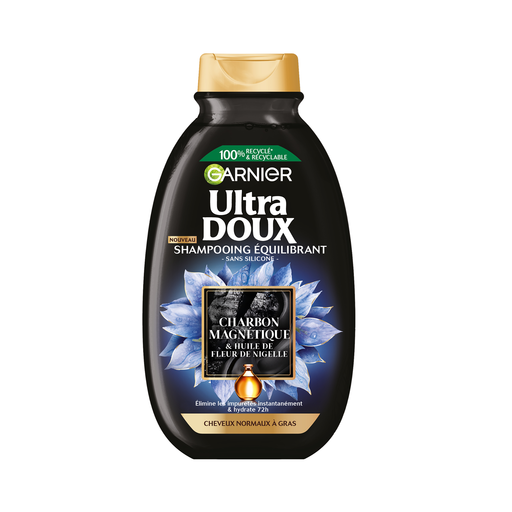
Why this choice suits this profile : At 250 ml, this size lets you try a formula intended for normal to oily hair without investing in a large bottle.
The description specifies that it is suitable for normal to oily hair and provides the INCI list, which includes charcoal and black seed oil.
Convenient 250 ml size, with black seed oil and charcoal powder listed in the composition.
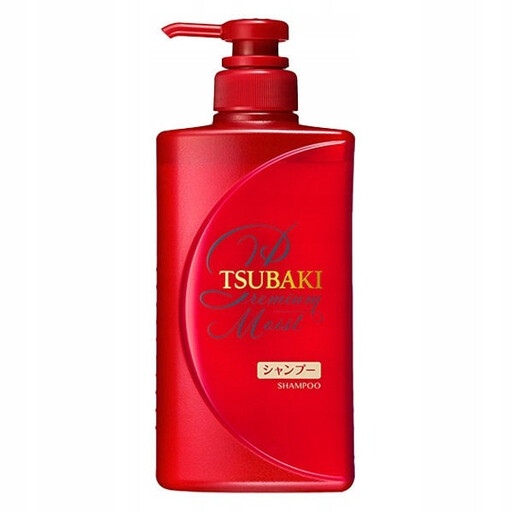
Why this choice suits this profile : This size is aimed at people who want a routine focused on hydrating and caring for dry or damaged hair.
The product details highlight ingredients including camellia oil, squalane and royal jelly extract, rather than relying on a general promise.
450 ml size, a formula focused on hydration and repair, with origin listed as Japan.
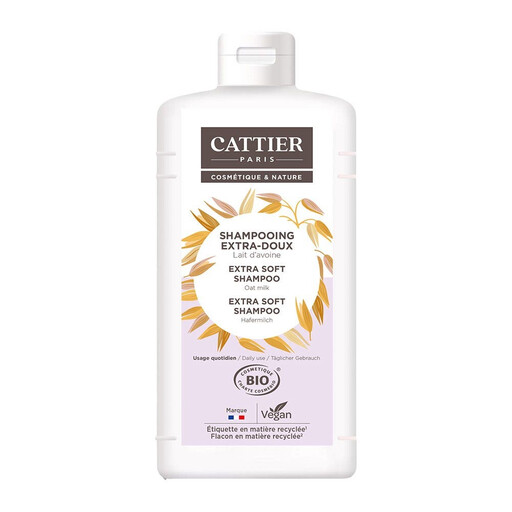
Why this choice suits this profile : Its large size is ideal for frequent washing, families and anyone wanting to reduce how often they repurchase.
The product details state that it is suitable for daily use, has a balanced pH and is certified by Ecocert Greenlife. These details should still be checked on the packaging received.
1,000 ml capacity, a formula advertised for all hair types, with oat and plant extracts.
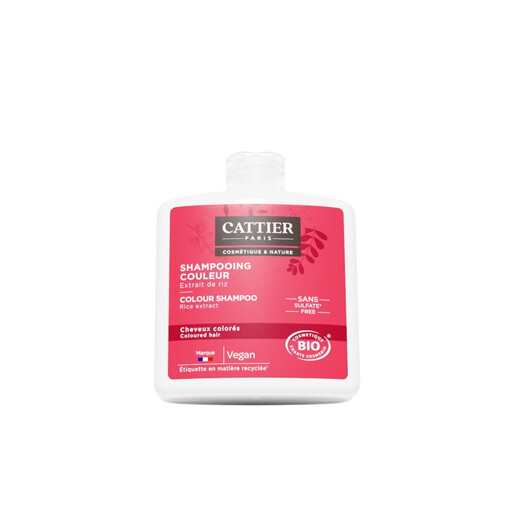
Why this choice suits this profile : Its description targets colour-treated hair and mentions a sulphate- and silicone-free formula certified by Ecocert Greenlife.
The product details clearly distinguish its use for colour-treated hair, its sulphate- and silicone-free composition, and the fragrance allergens to monitor.
250 ml, advertised as 99% naturally derived and containing 11% ingredients from organic farming, according to the product details.
We have brought together a complete, real-time selection of products that meet these selection criteria and the requirements of European safety regulations.
Thoroughly wet your hair before applying a small amount of product. Massage mainly into the scalp, without rubbing the lengths vigorously. Rinse thoroughly with lukewarm water, then adjust how often you wash your hair according to your comfort and hair type.
For curly, dry or damaged hair, apply a detangling conditioner to the lengths. If your hair becomes greasy quickly, avoid repeatedly using stripping shampoos without monitoring how your scalp reacts. An anti-dandruff or purifying shampoo should be used according to the instructions on its packaging.
Compare formulas designed for greasy or combination hair, particularly purifying shampoos with clay, lemon, nettle or charcoal. Apply them to the roots and observe the effect on the ends.
It depends on the formula and your scalp. Check the manufacturer’s recommendations, the INCI list and whether fragrance or allergens are present. For daily use, the most important factor is how comfortable your hair and scalp feel after rinsing.
Check the period after opening, the batch number and the date shown on the packaging. Close the bottle carefully and store it away from heat and direct sunlight. If the smell or texture changes, or if irritation develops, stop using it.