
Livraison le jour même ou le lendemain

Qualité garantie

Débloquez vos offres de bienvenue: Livraison GRATUITE | Jusqu'à -80 % | 30 jours d'essai gratuits à JoyPlus
Téléchargez l'application
A multifunctional food processor can replace several appliances in a British kitchen: a stand mixer, electric hand mixer, blender, hand blender or electric chopper. However, not every machine meets the same needs. High power does not necessarily guarantee effective kneading, while a large bowl can quickly become cumbersome if you mainly cook small quantities.
Before buying, it is therefore worth focusing on the features that are genuinely useful, the usable capacity and the accessories supplied. Here are the main pitfalls to avoid, followed by a selection of appliances suited to different needs.
Manufacturers sometimes quote maximum, rated or ‘peak’ power. These figures are not always directly comparable. A motor advertised at 1 000 W will not necessarily knead more dough than a 700 W model.
When comparing a dough mixer or mixing machine, also check:
A 6-litre bowl cannot necessarily be filled to the brim. Mixtures that rise, splash or require kneading movement need sufficient room to spare.
As a guide, the Monsga SM100 has a total capacity of 6 litres, but recommends not exceeding 5 litres in practice. The FAGOR FG4519 also distinguishes between a total capacity of 6 litres and a working volume of 5.7 litres. This detail is far more useful than an isolated figure in an advert.
A multifunctional appliance may come with a long list of accessories. The important thing is whether they suit the recipes you make. A stand mixer supplied with a whisk, beater and dough hook mainly covers baking preparations and doughs. It does not necessarily replace a blender or electric chopper.
If you mainly prepare soups, sauces or small quantities of vegetables, a hand blender or mini chopper will often be easier to store, use and clean.
A dough hook, whisk and beater cover the everyday needs of a stand mixer. A splash guard helps limit splashes, while a tilt-head design makes it easier to change the bowl and accessories.
To save time every day, check which parts are dishwasher-safe. The 600 ml glass bowl of the KENWOOD Easy Chop+ is described as dishwasher-safe. For other components, always consult the instructions: the motor unit, cord and electrical parts must never be immersed in water.
Measure the space available on your worktop and in your cupboards. The KENWOOD Go Collection KZM35.000RD is approximately 30 cm high, while 6-litre mixers can be bulkier and weigh between 5 and 8 kg, depending on the model.
Non-slip feet or suction cups help keep the machine in place. However, the quoted noise level should be treated as a general indication only: perceived noise varies according to the speed, recipe and work surface.
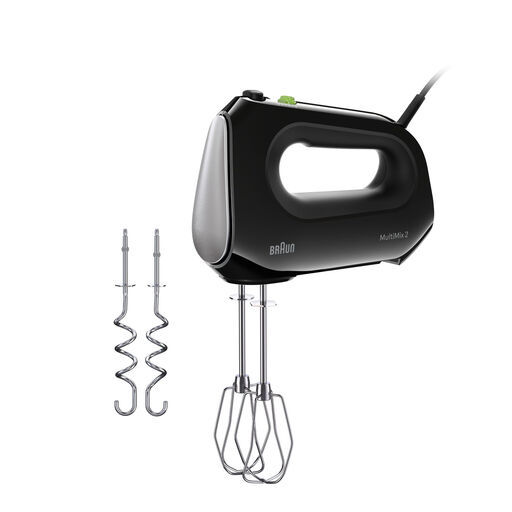
Why this suits this type of user: This electric hand mixer is ideal for everyday preparations and is easy to store in a small kitchen. It offers four speeds, a turbo function, two beaters and two dough hooks.
The advertised SlowStart technology helps limit splashing when the appliance starts. However, it is still a hand mixer: it does not replace a stand mixer with a bowl for large quantities.
500 W motor, 4 speeds plus turbo, and stainless-steel accessories that are dishwasher-safe.
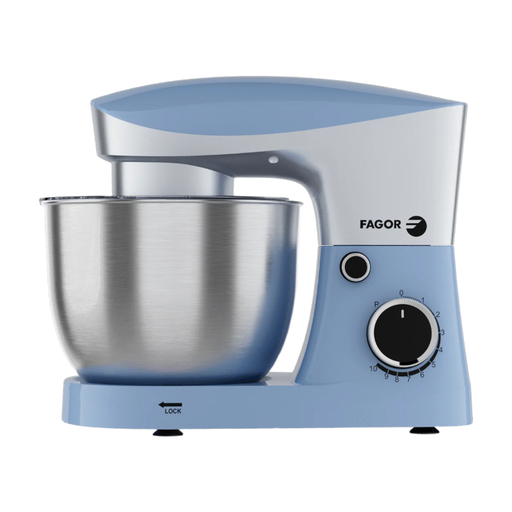
Why this suits this type of user: Its 6-litre stainless-steel bowl and 10-speed controls are ideal for people who regularly make bread, brioche, cakes or multiple batches.
The specifications distinguish between the total capacity and the working volume, set at 5.7 litres. This information helps prevent overfilling the bowl and overloading the motor.
Advertised rated power of 1 500 W, planetary mixing action, 10 speeds plus a Pulse function, and three mixing accessories.
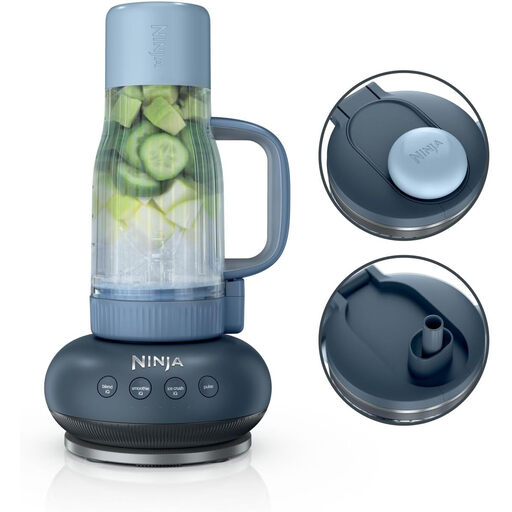
Why this suits this type of user: This blender is designed for users who prepare blended drinks, fruit-based recipes or ice and want to take everything with them in a travel cup.
The specifications state a maximum blending capacity of 650 ml, which should be distinguished from the 710 ml capacity advertised for the cup. This limit must be observed, particularly when blending ice.
Advertised 1 100 W motor, three automatic programmes, Pulse function and removable dishwasher-safe parts.
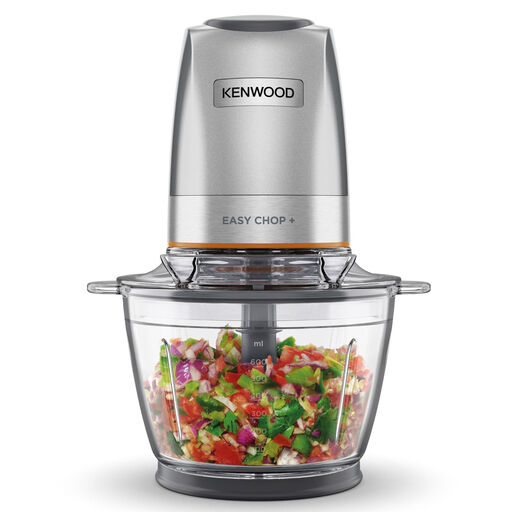
Why this suits this type of user: Its 600 ml glass bowl is suitable for sauces, vegetables, small portions of meat and spreads, without having to get out a bulky food processor.
Its limited capacity is clearly designed for small quantities. The lid has an opening for gradually adding oil, which is particularly useful when making mayonnaise.
500 W power, four stainless-steel blades, two speeds and a dishwasher-safe glass bowl.
We have put together a complete, real-time updated list of products that meet these demanding selection criteria and European safety standards.
To keep your multifunctional food processor in good condition, always start at a low speed, especially when working with flour or liquids. Follow the operating times stated in the instructions and allow the motor to cool between cycles when the appliance is handling dense dough.
Unplug the machine before changing an accessory or cleaning it. The blades of a blender, hand blender or chopper are particularly sharp. Finally, never exceed the filling marks and only use accessories that are compatible with your model.
Not necessarily. A food processor with a bowl is useful for whisking, mixing and kneading, but a blender is generally better suited to liquid preparations, while a chopper is more suitable for small quantities of solid food. It all depends on the recipes you actually prepare.
For a family, a 4 to 6-litre bowl may be suitable for doughs and larger quantities, provided you follow the recommended working volume. For one person or a couple, a 600 ml to 1.2-litre bowl will be easier to store and sufficient for sauces, chopped vegetables or drinks.
Energy consumption depends on the power and operating time. A 1 000 W appliance used for 10 minutes theoretically consumes around 0.167 kWh. In practice, the actual power drawn varies according to the load and programme. Regular maintenance and respecting the stated capacities can also help avoid unnecessary cycles.