
Livraison le jour même ou le lendemain

Qualité garantie

Débloquez vos offres de bienvenue: Livraison GRATUITE | Jusqu'à -80 % | 30 jours d'essai gratuits à JoyPlus
Téléchargez l'application
Choosing between a mug, cup or water bottle is about more than colour or a tempting promotion. A cup that is too small, a leaking lid or a bottle that is impossible to clean can quickly end up at the back of a cupboard. Whether you are shopping for home, the office, commuting, children or a hospitality business, there are several points to check before placing your order.
A 120 ml container is suitable for an espresso cup, but it will not replace a 300 or 350 ml mug for your morning coffee. Conversely, a one-litre water bottle may be cumbersome in a bag or incompatible with a cup holder.
Start by defining your primary use:
A double wall limits heat transfer, but it does not guarantee that a drink will remain hot or cold for the same length of time in every situation. Starting temperature, how often the lid is opened and how full the container is also make a difference.
Check for a double wall, the type of lid and the care instructions. Some models are not microwave-safe, particularly stainless-steel containers and those with vacuum insulation.
A leakproof children’s water bottle or a mug with a straw often contains several parts that can trap residue. If the lid is difficult to take apart, odours and deposits will soon build up.
Before ordering, check whether the various components are dishwasher-safe, whether the straw can be removed and whether the manufacturer provides clear care instructions. For children, also check the recommended age, the condition of the mouthpiece and whether adult supervision is required.
Ceramic and porcelain are ideal for hot drinks and offer a more traditional feel. However, they can break if dropped. A glass mug lets you appreciate the colour and different layers of your drink, while a double-wall cup may make it more comfortable to hold, depending on its design.
Stainless steel is well suited to transport and repeated use. It must not be placed in the microwave. Tritan and BPA-free plastics help keep a sports water bottle lightweight, provided you follow the usage limits stated on the product page.
A larger capacity is not necessarily more practical. At the office, an insulated travel mug holding 250 to 450 ml is easier to fit into a bag or cup holder. For a family table, a set of cups helps create a coordinated place setting. In a café or restaurant, weight, stackability and resistance to repeated handling matter just as much as appearance.
Also look at the base: a stable bottom reduces the risk of spills, particularly on a desk or serving tray.
A “leakproof” lid only delivers on its promise when it is closed correctly. Inspect the seals regularly and stop using any product that is cracked, warped or damaged. With a very hot drink, open the lid carefully and wait a few moments before drinking.
For children aged 18 months and over, choose a design that is easy to hold, with a soft mouthpiece and a hygienic lid. Adult supervision remains essential during use.
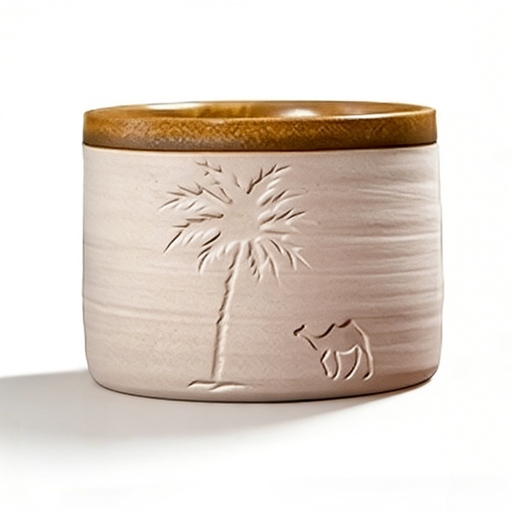
Why it suits this profile: this ceramic mug is an excellent choice for equipping your home or office without accumulating unnecessary accessories.
The single-piece format means you do not have to buy a complete dinner service before you know your habits. Ceramic does, however, require a little extra care when handled.
A classic format and a practical material: a straightforward solution for everyday hot drinks.
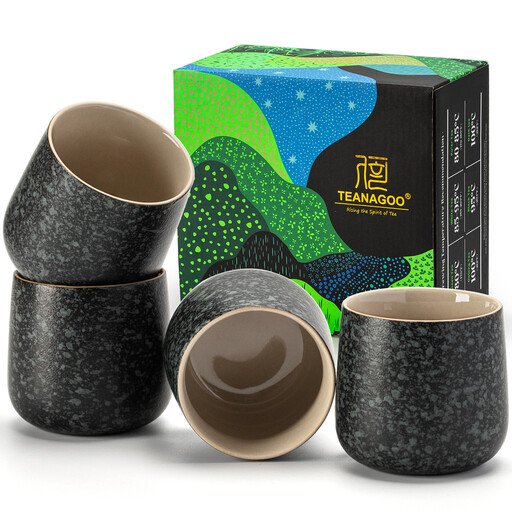
Why it suits this profile: this set of 205 ml cups is designed for tea lovers, short coffees and table settings inspired by Japanese tableware.
The product page specifies a smooth interior and dishwasher compatibility. Hand washing is still recommended to preserve the outer texture.
A set of four 205 ml pieces, listed as compatible with the microwave, oven, freezer and dishwasher.
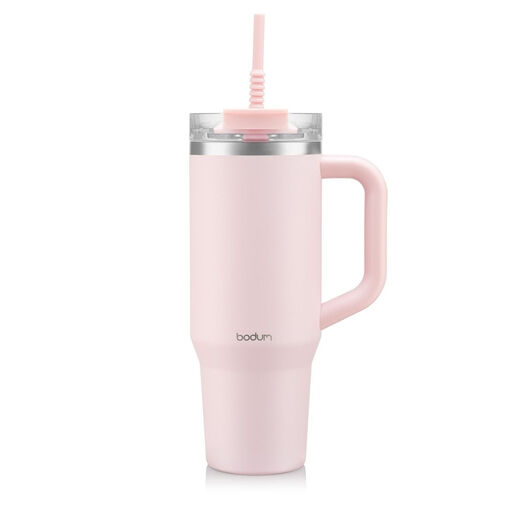
Why it suits this profile: its generous capacity is designed for long working days, commutes and outdoor activities.
The product page clearly distinguishes between the lid, handle and straw. Clean and dry each component separately, and do not place the tumbler in the microwave.
Insulated stainless steel, a 1.2-litre capacity and components listed as dishwasher-compatible.
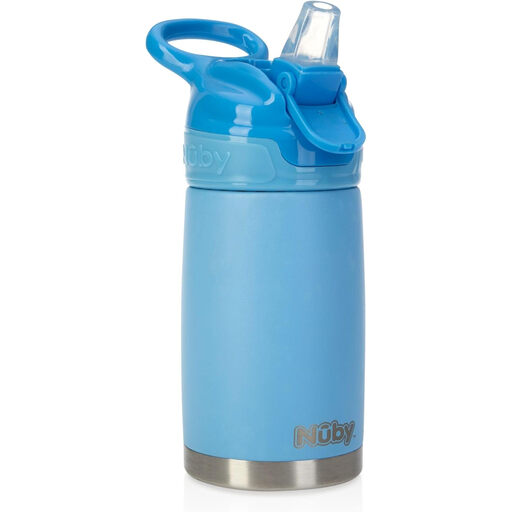
Why it suits this profile: this model is suitable for children aged 18 months and over and features a handle that makes it easier for small hands to carry.
The Flip-It closure is designed to help prevent leaks once the hygienic lid is closed. Always check that it is securely locked and replace the product at the first signs of wear.
Stainless steel, a soft silicone mouthpiece and a material listed as BPA-free on the product page.
We have brought together an up-to-date selection of cups, mugs and drink containers suited to a range of uses, from everyday routines to professional settings.
For espresso, 80 to 120 ml may be sufficient. Filter coffee or tea is generally served in a 200 to 350 ml container. For commuting, focus above all on choosing a size that fits your bag and cup holder and matches your drinking habits.
It can make the cup more comfortable to hold by reducing the heat felt on the outer wall. However, check the product page : glass remains fragile, and a sudden change in temperature can cause it to crack.
Take apart the lid and straw whenever possible, rinse the bottle after each use, then dry the components thoroughly and separately. Stop using any bottle with a crack, damaged seal or worn mouthpiece. For a sports water bottle, also check the recommendations regarding dishwasher use and hot drinks.