Joybuy Insights

How to Choose the Right Memory Foam Cervical Pillow

Waking up with a stiff neck or shooting pains can ruin your day before it even begins. The memory foam cervical pillow is often touted as the miracle solution for finally getting a restorative night's sleep. Yet, in a market saturated with marketing promises, it's easy to get it wrong and make a poor purchase.

As the Head of Product Selection at Joybuy, my mission is to help you cut through the noise. Let's forget the technical jargon and advertising claims to focus on what's essential. Here are the most common pitfalls to avoid and the real criteria for making the right choice.

The 3 Pitfalls to Avoid Before You Buy

  1. The "One-Size-Fits-All" Myth: A pillow that's perfect for your neighbour could be a disaster for you. Your body type (especially your shoulder width), your favourite sleeping position, and even the firmness of your mattress are personal factors that dictate the right pillow height and shape. A so-called universal model is rarely the right solution.
  2. The Foam That Turns into a Heater: Traditional viscoelastic foam has a major flaw: it tends to accumulate body heat. Low-end pillows, lacking any ventilation technology, can quickly become uncomfortable, especially in the summer, and seriously disrupt your sleep.
  3. Support That Sags After 3 Months: Foam density is the number one indicator of its durability. A low-density foam (less than 40 kg/m?) might feel comfortable for the first few nights, but it will quickly lose its neck support properties, sag disappointingly, and no longer fulfil its ergonomic role at all.

The Criteria That Truly Matter for Effective Support

To make the right choice, you need to focus on a few technical features that make all the difference in comfort and effectiveness for an ergonomic pillow.

Shape and Ergonomics: More Than Just a Simple Wave

The shape of the pillow should adapt to your usual sleeping position.

  • Wave Shape: This is the most common design. It features two edges of different heights. The higher side is designed for side sleepers, perfectly filling the space between the shoulder and the neck. The lower side is better suited for back sleepers.
  • Butterfly or Star Shape: These more innovative designs offer specific cut-outs to accommodate your arms and shoulders. They provide greater freedom of movement and stable support, ideal for those who toss and turn a lot at night or sleep on their stomach.

Density and Responsiveness of Viscoelastic Foam

Density, expressed in kg/m?, is a crucial factor.

  • Medium Density (40-60 kg/m?): This offers an excellent balance between cradling comfort and firm support. It's the most versatile choice, suitable for the majority of sleepers.
  • High Density (> 60 kg/m?): This provides firmer support and increased longevity. It's the preferred option for individuals with a larger build or those seeking a cervical pain relief pillow with uncompromising support. The foam's signature "slow rebound" ensures it contours to your neck without creating pressure points.

Temperature Management: For Cool Nights

A good modern orthopedic pillow must include a solution to combat heat. Look for the following features:

  • A perforated or ventilated foam structure that promotes air circulation.
  • Infusion of cooling gel or copper particles in the foam to help dissipate heat.
  • A cover made from technical, breathable fabrics (like Tencel, bamboo, or specific microfibers). A cooling pillow isn't a gimmick; it's a prerequisite for uninterrupted sleep.

Our Selection of Cervical Pillows for Every Profile

Here are a few models that meet specific needs, all selected based on the objective criteria we've just discussed.
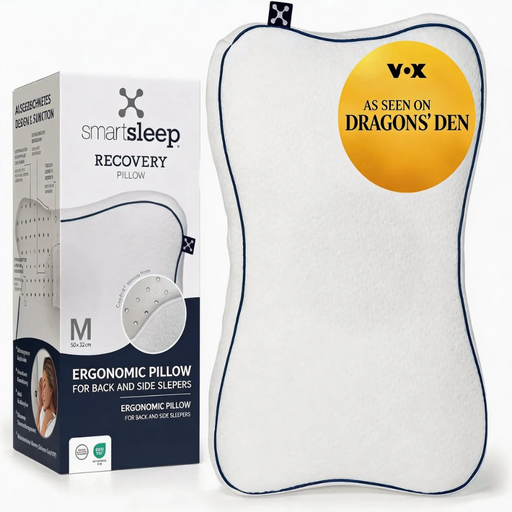
BEST FOR: THE VERSATILE SLEEPER
Smartsleep Ergonomic Memory Foam Neck Support Pillow

Smartsleep Ergonomic Memory Foam Neck Support Pillow

Why we chose it: Ideal for those who switch between sleeping on their back and their side. Its ergonomic shape, with a central dip, stabilises the head and respects the natural curvature of the neck in both positions.

How It Beats the Pitfall

It bypasses the "one-size-fits-all" myth by offering a versatile design that adapts to multiple positions where a generic format fails.

Key Advantage

Integrated ventilation channels for better airflow and Oeko-Tex certified materials, perfect for sensitive skin.
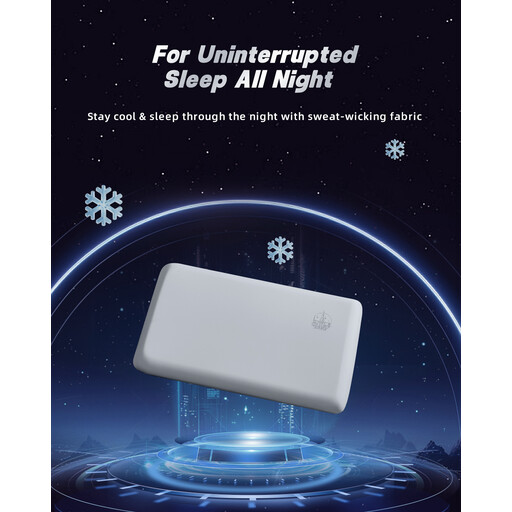
BEST FOR: HOT SLEEPERS
MENDALE Memory Foam Pillows for Sleeping, Cooling Bed Pillow

MENDALE Memory Foam Cooling Bed Pillow

Why we chose it: Specially designed for those who find traditional memory foam pillows too warm. This model makes thermal regulation its top priority, ensuring consistent comfort all night long.

How It Beats the Pitfall

It directly tackles the problem of heat retention with its cooling properties, thus avoiding the "furnace" effect of basic foams.

Key Advantage

It combines ergonomic support with active cooling technology. The best of both worlds: support and coolness.
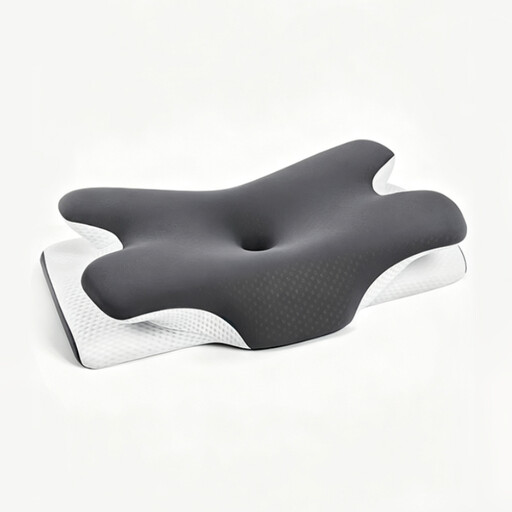
BEST FOR: FANS OF CUSTOMISED SUPPORT
JORDAN&JUDY Memory Foam Pillow, Slow Rebound

JORDAN&JUDY Slow Rebound Memory Foam Pillow

Why we chose it: Its "slow rebound" foam adapts gradually and with great precision to the contours of the neck and head. The result: stable and consistent support, with no spring-back effect.

How It Beats the Pitfall

It prevents premature sagging thanks to a high-density foam that retains its shape and support over the long term. A guaranteed durable investment.

Key Advantage

The slow rebound provides a feeling of support that is both cradling and secure, minimising pressure points for optimal muscle relaxation.

Looking for More Options?

We have curated a full range of products that meet our strictest quality criteria and current safety standards.

Frequently Asked Questions About Memory Foam Cervical Pillows

What is the lifespan of a memory foam pillow?

On average, a good quality memory foam pillow should be replaced every 2 to 3 years. This lifespan, of course, depends on the foam's density, your frequency of use, and how you care for it. The tell-tale sign it's time for a new one? It no longer returns to its original shape, or you feel the support is not as effective as it used to be.

How do I choose the right height for my cervical pillow?

The ideal height depends on your body type and your favourite sleeping position.

  • For side sleepers: The height should match your shoulder width (the distance from your neck to the edge of your shoulder) to keep your spine perfectly aligned.
  • For back sleepers: A lower height is generally preferable to avoid tilting your head too far forward. Some models, like those from MENDALE, come in several heights (e.g., 8 cm or 10 cm) for a customised fit.

Is there an adjustment period for an ergonomic pillow?

Yes, and that's completely normal. If you were previously using a traditional pillow, your body will likely need a few nights (sometimes up to a week) to get used to this new type of support. This adjustment period is often a good sign: it means the pillow is starting to correct a long-standing poor posture.