
Livraison le jour même ou le lendemain

Qualité garantie

Débloquez vos offres de bienvenue: Livraison GRATUITE | Jusqu'à -80 % | 30 jours d'essai gratuits à JoyPlus
Téléchargez l'application
Waking up with a sore neck is a tell-tale sign: your bedding is failing you. The memory foam pillow is often touted as a miracle solution, but the market is saturated with marketing promises that rarely deliver. Before you invest, it's crucial to know how to avoid the pitfalls to prevent a purchase you'll regret.
As a product expert at Joybuy, my mission is to help you cut through the noise. Let's skip the jargon and focus on concrete criteria to find the pillow that's truly right for you.
Here are the 3 most common mistakes to avoid:
To make the right choice, rely on objective technical specifications rather than advertising claims. Here are the three points to examine closely.
Density, expressed in kilograms per cubic metre (kg/m?), is the true indicator of your pillow's quality and longevity. It determines the ability of the viscoelastic foam to support your head and neck without sagging over time.
The pillow's design should match your favourite sleeping position. There is no single 'best' shape—only the one that is right for you.
Memory foam has a tendency to retain heat, which is a drawback for those who sleep hot. A well-designed pillow must work around this issue. Two points to inspect:
To help you see more clearly, here are a few products suited to specific user profiles.
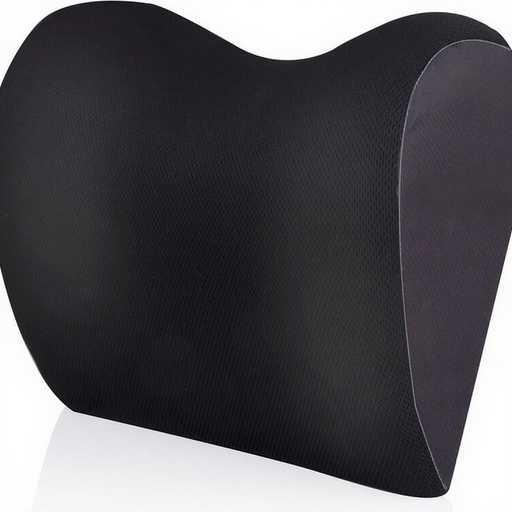
Why we chose it: Perfect for those who spend a lot of time behind the wheel. This car neck cushion provides targeted support where car seats often fall short, reducing fatigue and strain on long journeys.
Its strength: It isn't marketed as a nightly pillow but as a dedicated driving support. Its compact shape and adjustable strap ensure precise positioning, unlike a "one-size-fits-all" pillow that would be unsuitable.
Its 100% memory foam ensures perfect support, while its breathable mesh cover is removable and washable.
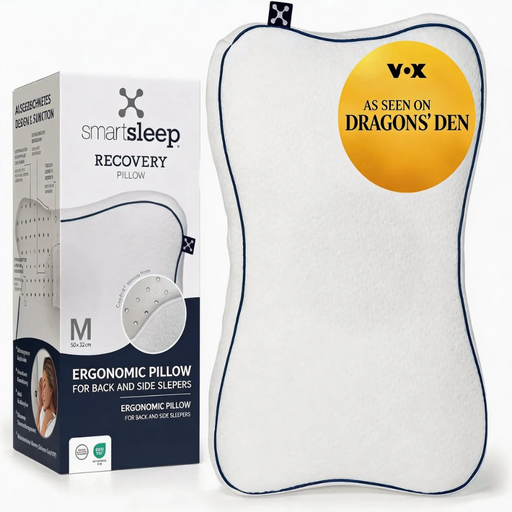
Why we chose it: The solution for back or side sleepers seeking genuine relief from neck pain. Its wave shape with a central contour is engineered to maintain perfect spinal alignment.
It counters the "one-size-fits-all" model with its highly engineered shape. Its integrated ventilation channels tackle the heat problem head-on—a far more effective approach than the cooling gel gimmick.
Its ergonomic design targets the neck, and its Oeko-Tex certified materials are a bonus for sensitive skin.
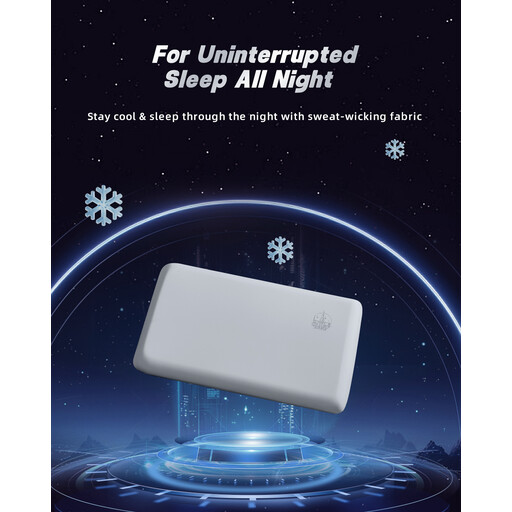
Why we chose it: A pillow for side sleepers needs to be thick enough to fill the space between the shoulder and the head. At 10 cm thick, this model is perfectly calibrated for this position and promotes proper alignment.
This product illustrates the importance of choosing an appropriate height. By offering its model in various thicknesses, the brand debunks the "one-size-fits-all" pillow myth.
A simple yet effective ergonomic cushion shape, with a clearly defined height to meet a specific need.
Explore our complete selection of products that meet our quality criteria and current safety standards.
It all depends on the foam's density. A good quality pillow (density > 50 kg/m?) will maintain its supportive properties for 3 to 5 years. An entry-level model will show signs of wear within the first year. The sign it's time for a replacement? When it no longer returns to its original shape or the support feels diminished.
Absolutely not! The block of viscoelastic foam cannot be machine-washed or tumble-dried, as this will destroy its structure. Only the cover is typically washable (be sure to check the label). To freshen up the foam, simply air it out in a shaded area and spot-clean any stains with a slightly damp cloth.
Yes, and it's completely normal. Expect an adjustment period of a few days to a couple of weeks, especially if you were previously using a traditional pillow. Your body needs time to adapt to the new support and improved alignment. A little patience is required before you can experience the full benefits of your new ally.