
Same-day & Next-day Delivery

Quality Guaranteed

Unlock Your Welcome Offers: FREE Delivery | Up to 80% OFF | Free 30-day JoyPlus trial
Download the APP
Enjoying a warm, comforting home-cooked meal, even when you're far from your kitchen, is one of life's simple luxuries. At the office, on a construction site, or out in nature, the insulated food jar is an essential companion. But the market is flooded with models making tempting promises, and it's easy to end up with a product that falls short. To save you from disappointment (and a lukewarm meal), here are the pitfalls to avoid and the key criteria to check before you buy.
The dream of a great meal on the go can quickly turn sour with low-quality gear. Here are the most common letdowns and our tips for avoiding them.
To sort through the options and invest in a model that lives up to its promises, focus on these three technical points.
Stainless steel is king, but not all stainless steels are created equal. For food use, two grades stand out:
The entire effectiveness of an insulated container relies on its insulation. The benchmark technology is the vacuum-insulated double wall. This near-total vacuum prevents heat transfer (through conduction and convection), keeping hot things hot and cold things cold. The quality of the welds and the vacuum seal is therefore critical for long-lasting performance.
A good lid must perform a dual mission without compromise:
To put theory into practice, here are some models that check all the right boxes and meet specific needs.
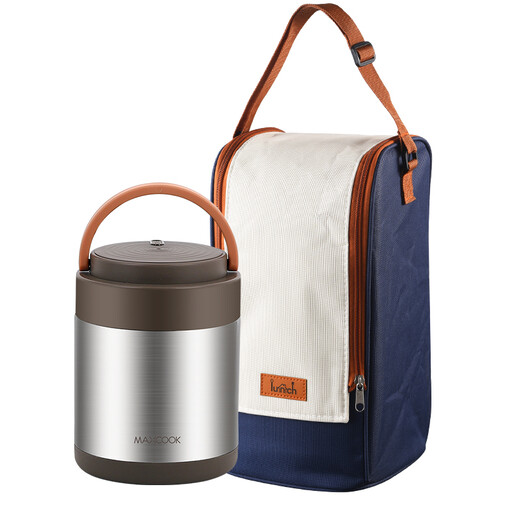
Why we love it: Perfect for lunch breaks at the office. Its 1.4L capacity holds a full meal, while its wide mouth simplifies both filling and cleaning. A real daily convenience.
Its secure-locking lid minimises any risk of leaks in your bag. Its food-grade 304 stainless steel ensures the taste is preserved, with no unpleasant surprises.
Its vacuum insulation maintains the temperature for 4 to 6 hours, just right for a lunch break. It's durable and easy to clean by hand.

Why we love it: For those who want the best of the best in durability and taste purity. Ideal for meals on a construction site or for carrying saucy, acidic, or salty dishes without a second thought.
Its 316 stainless steel is a true fortress against corrosion and taste alteration. Tomato sauce and other acidic foods are no match for it, unlike lower-grade steels.
A cutting-edge material for maximum lifespan. Its generous 1.5L capacity will satisfy big appetites or shared lunches.
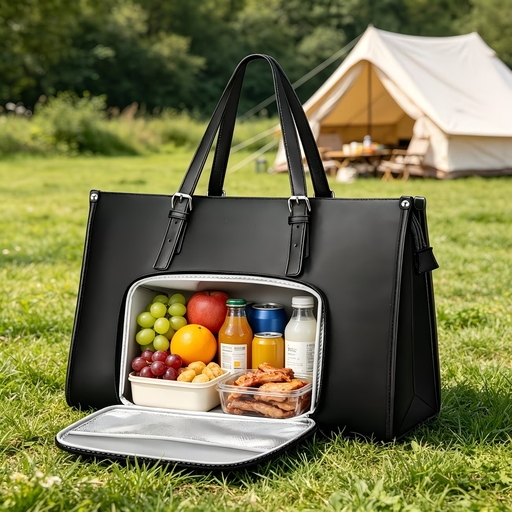
Why we love it: The all-in-one solution for travelling light. This clever bag combines a compartment for a 15.6-inch laptop with a leak-proof insulated pocket for your lunch. No more juggling two bags!
It tackles the leak problem at its source with a fully separate, insulated and leak-proof compartment. No more worrying about yoghurt spilling on your laptop!
Its 2-in-1 design is ultra-practical. The meal compartment keeps food at the right temperature for several hours and cleans up in a flash.
Discover our full selection of products that meet our quality criteria and current safety standards.
To maximise performance, it's all in the prep. Before adding your food, fill your insulated jar with boiling water, close the lid, and wait 5 to 10 minutes. This preheating step makes all the difference. Empty the water, then immediately add your hot meal. Fill the container as much as possible: the less air there is, the better the heat is retained.
It all depends on the manufacturing quality and how you maintain it. A well-made stainless steel body can last for years. The most common wear-and-tear part is the silicone gasket. To preserve it, opt for hand washing and avoid abrasive products. The dishwasher should be avoided (unless explicitly permitted by the manufacturer), as it can damage the gasket and degrade the vacuum insulation over time.
For standard use, 304 steel is more than sufficient. It's an excellent food-grade standard. 316 steel becomes truly worthwhile if you frequently carry very acidic (tomato-based, citrus...) or very salty dishes. Its chemical composition provides a superior anti-corrosion barrier, making it a wise investment for bulletproof durability.