
Livraison le jour même ou le lendemain

Qualité garantie

Débloquez vos offres de bienvenue: Livraison GRATUITE | Jusqu'à -80 % | 30 jours d'essai gratuits à JoyPlus
Téléchargez l'application
Enjoying a healthy, homemade meal at the perfect temperature is an everyday luxury, whether you're at the office, at university, or on the go. However, choosing an insulated lunch box can quickly become a headache. Between marketing promises and real-world performance, it's easy to end up with a disappointing product. This guide breaks down the essential criteria for a smart and durable purchase.
As a Product Expert at Joybuy, my mission is to separate fact from fiction to give you 100% objective buying advice. Let's analyse the common pitfalls and the features that truly matter.
The market is flooded with models, but not all are created equal. Here are the most frequent letdowns that can ruin your lunch break.
To avoid these pitfalls, focus on a few key technical parameters. They are what separate a gimmick from a long-lasting investment.
Stainless steel is the gold standard for food containers, but not all stainless steel is the same. This is a decisive criterion for a stainless steel lunch box.
A leak-proof seal depends on two elements: the lid and the gasket. A screw-on lid generally provides better pressure and a more reliable seal than a clip-on system. The most important component is the removable silicone gasket. Make sure it is thick, fits snugly in its groove, and is easy to remove for thorough cleaning to prevent mould and bad odours from forming.
A good food jar must be practical. A wide mouth not only makes filling and serving easier (you can eat directly from it), but also simplifies cleaning. Also, look for the "double-wall vacuum insulation" label. This is the technology that creates an effective thermal barrier to maintain temperature, for both hot and cold foods.
To help you see these criteria in action, here are a few options that meet specific needs while avoiding the pitfalls mentioned.
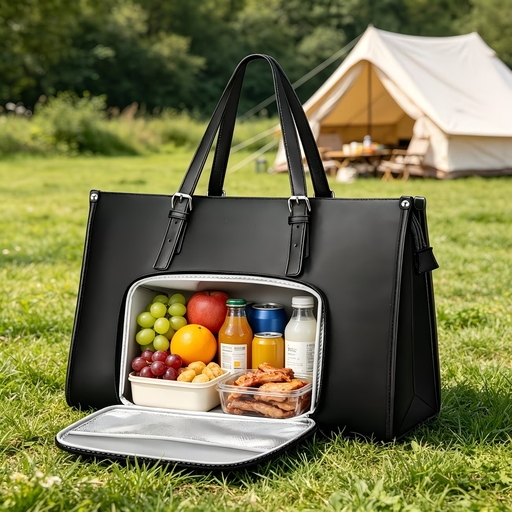
Why we chose it: Perfect for those looking to streamline their day. This bag combines a professional briefcase for a 15.6-inch laptop with a genuine, built-in insulated lunch compartment. No more juggling multiple bags.
The lunch compartment is completely separate and lined with an easy-to-clean material, preventing the disaster of a leak on your documents or laptop.
An elegant and practical 2-in-1 solution. The insulated compartment maintains temperature (hot or cold) for several hours, perfect for the workday.
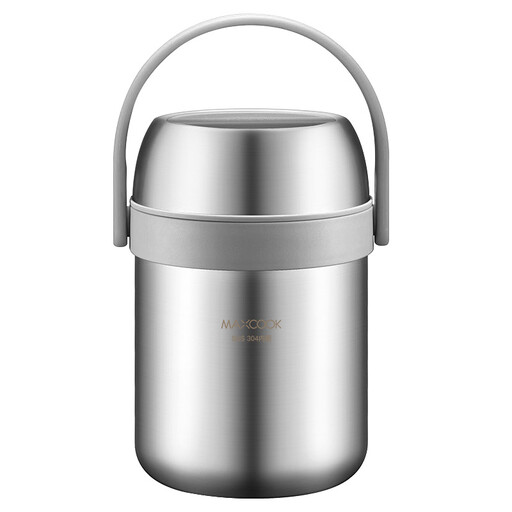
Why we chose it: For those who prepare hearty meals (soups, stews, large salads) and need a simple, effective solution. Its large 1.5L capacity is perfect for a full meal.
Its 304 stainless steel construction and double-wall vacuum insulation solve the problem of food cooling down too quickly. Meanwhile, the wide mouth avoids the trap of hard-to-clean containers.
An excellent capacity-to-performance ratio. The simple, robust design focuses on the essentials: retaining temperature and being easy to use every day.

Why we chose it: For those who want a complete, high-quality solution. This set includes a premium 316 steel adult lunch box and a dedicated insulated lunch bag for easy transport and enhanced insulation.
The use of 316 stainless steel eliminates the risk of long-term corrosion, even with acidic foods. The included bag ensures easy handling and protects the rest of your belongings.
A complete set that focuses on maximum material durability and transport convenience. It's an investment for years of use.
We have compiled a complete, up-to-date list of products that meet these strict selection criteria and safety standards.
The most effective trick is preheating. Before filling your insulated food container with your hot meal, pour boiling water into it. Close the lid and let it sit for 5 to 10 minutes. Empty the water, quickly dry the inside, and immediately add your food. This simple step can add an extra hour or two of heat retention. The same principle applies for keeping food cold, but with ice water.
For the majority of users, 304 stainless steel is more than sufficient. It is durable, safe, and resistant. However, if you very frequently consume highly acidic foods (tomato sauces, citrus fruits, vinaigrettes) or very salty ones, 316 steel provides an extra layer of security against corrosion in the very long term. It's a worthwhile choice for those seeking maximum durability.
As a general rule, it is not recommended to put vacuum-insulated containers in the dishwasher. The intense heat and harsh detergents can damage the seal and, in rare cases, compromise the vacuum between the walls, which would render its insulating properties useless. Hand washing with warm, soapy water is the safest method to preserve your product.