
Livraison le jour même ou le lendemain

Qualité garantie

Débloquez vos offres de bienvenue: Livraison GRATUITE | Jusqu'à -80 % | 30 jours d'essai gratuits à JoyPlus
Téléchargez l'application
Peanuts can look similar on the shelf, but their composition, texture and use can be very different. A savoury snack to nibble at your desk doesn’t have the same requirements as raw peanuts destined for a satay sauce or a homemade recipe.
Before you head to the checkout, three common pitfalls keep cropping up:
Raw peanuts are suitable for cooking, home roasting, baking or making peanut butter. When the labelling specifies it, they must be sufficiently cooked, roasted or boiled before eating.
Shelled peanuts are more convenient for recipes and stir-fries. Those that keep their skin offer a different texture and appearance, while skinless kernels blend more easily into sauces and puréed preparations.
Roasted peanuts are ready to eat. However, check whether they have been prepared with oil and if salt has been added. For regular consumption, a short recipe — peanuts, vegetable oil and salt — makes it easier to compare products.
The salt content can vary by as much as double. As a guide, BENENUTS Salted Dry Roasted peanuts have 1 g of salt per 100 g, compared to 2.3 g for Koh-Kae spicy Korean peanuts. Coated or sweetened recipes can also contain more carbohydrates and sugars.
Always compare the values per 100 g, rather than those for the whole bag. This way you can fairly compare a small 36 g pack with a 1 kg family bag.
A small bag, like the SUNDY 36 g pack, limits leftovers and slips easily into a bag. A 220 to 375 g size is better suited to regular use in cooking or for several snacks. Large-format peanuts, such as the MONT ASIE 1 kg bag, are good value for households that eat them often, provided you can reseal the bag or transfer the contents to an airtight container.
Store the products in a dry, cool place away from light. After opening, seal the packaging carefully to preserve the crunch and slow down rancidity.
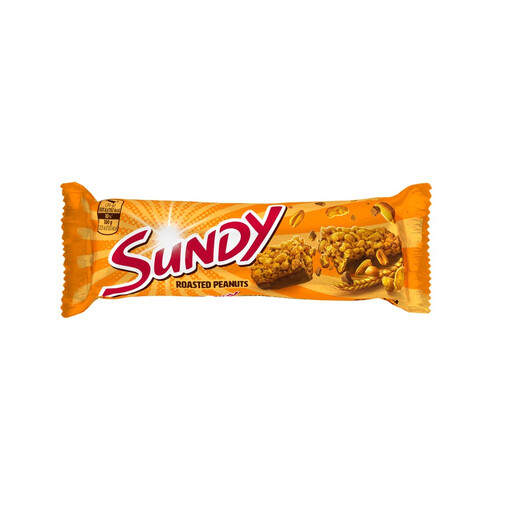
Why this choice suits this profile: At 36 g, this bag is ideal for a first try or an occasional break at work, on the go or out and about.
This small pack stops you buying a large volume before you know whether you like this lightly salted texture.
The product contains 98% peanut kernels, with sunflower oil and salt. Its nutritional profile shows 26 g of protein per 100 g.
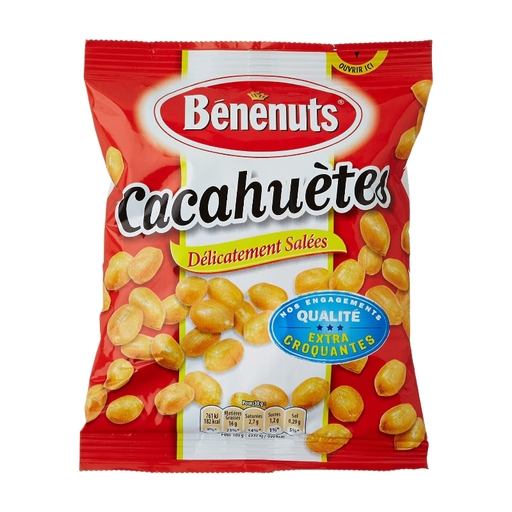
Why this choice suits this profile: This recipe of simply salted roasted peanuts is aimed at those who value a clear ingredient list and a crisp crunch.
According to the product sheet, the list is limited to peanuts, sunflower oil and salt, with no added flavourings or artificial colours.
The bag contains 220 g and shows 1 g of salt and 27 g of protein per 100 g.
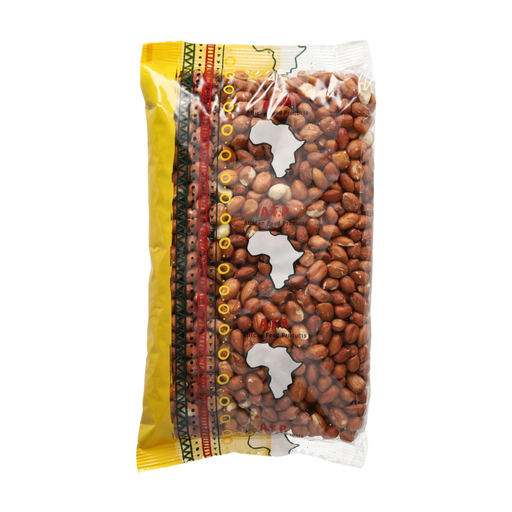
Why this choice suits this profile: At 800 g, this size is aimed at cooks who regularly roast, boil or process peanuts at home.
These unroasted peanuts, with no added salt mentioned, leave you fully in control of the cooking and seasoning.
The sheet states 100% peanuts with skin, 0 g of salt per 100 g and a stated shelf life of 24 months from production.
We’ve compiled a complete selection, updated in real time, of products that meet these exacting criteria and comply with European safety regulations.
Some product sheets recommend preparation beforehand. When a product is sold as unroasted, it’s best to cook, roast or boil it sufficiently before eating, following the instructions on the label.
It all depends on the packaging, temperature and humidity. Seal the bag carefully or transfer the peanuts to an airtight container, then store them in a dry, cool place away from heat. Coated products can lose their crunch more quickly after opening.
No. The peanut is a mandatory declared allergen. Depending on the recipe, the product may also contain wheat, soya, sesame, mustard or crustaceans. Read the label in full and check for any trace warnings before buying, especially for spicy and coated products.