
Livraison le jour même ou le lendemain

Qualité garantie

Débloquez vos offres de bienvenue: Livraison GRATUITE | Jusqu'à -80 % | 30 jours d'essai gratuits à JoyPlus
Téléchargez l'application
Peanut butter comes in several varieties: pure peanut paste, smooth texture, no added sugar recipes, protein-enriched preparations and sesame-peanut blends. This range is useful, but it can also make choosing the right product less straightforward. Between claims of being “natural”, recipes presented as lighter options and XXL formats, certain details on the label deserve closer attention.
A product may highlight peanuts while also containing significant amounts of sugar, vegetable oils, chocolate or other ingredients. For a peanut paste intended for breakfast or cooking, start by checking the ingredients list and the order in which they appear: they are generally listed in descending order by quantity.
A recipe made with 100% roasted peanuts, like some natural peanut pastes, obviously has a different purpose and nutritional profile from a peanut butter confectionery product.
Peanut butter with no added sugar is still an energy-dense food, as peanuts naturally contain a significant amount of fat. The absence of added sugar meets a specific need, but it does not turn the product into a light food. So compare the nutritional values per 100 g, rather than relying solely on the serving size highlighted on the jar.
In natural peanut paste, oil may rise to the surface. This is common when the recipe contains few texturing agents. You generally just need to stir the jar thoroughly before using it for the first time, then store it according to the instructions on the label. However, a very compact paste or a lid that is difficult to close can become inconvenient in everyday use.
For a simple recipe, choose a short ingredients list. A 100% peanut paste contains only peanuts, while a smooth peanut butter may also contain salt, sugar or vegetable oil.
Peanuts are among the allergens that must be declared in the European Union. Sesame, milk, soya, gluten and tree nuts may also be included in some recipes. If the product is intended for the whole family, carefully read the ingredients shown in bold, as well as the statement “may contain traces”.
Peanuts naturally provide protein. As a guide, several products in this selection contain approximately 24 to 27 g of protein per 100 g. An energy bar may provide less per serving, but it will generally be easier to carry.
A protein peanut butter should be compared based on its actual protein content, as well as its sugar, fat and salt levels, without forgetting the serving size. Nutritional information is not a substitute for advice from a healthcare professional.
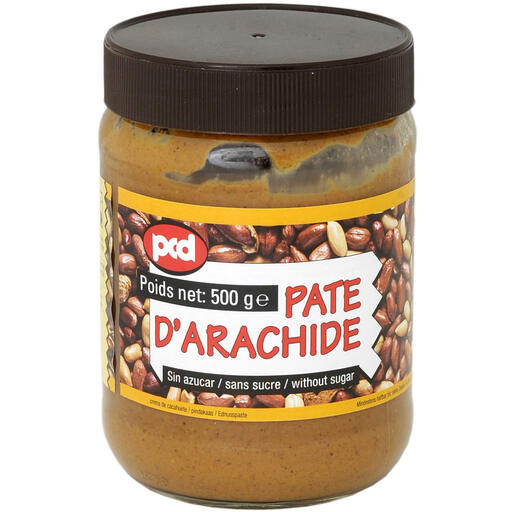
Why this choice suits this profile : Its recipe, advertised as containing just one ingredient – roasted peanuts – is ideal for anyone who wants to start with a simple paste for spreading on toast, adding to smoothies or using in baking.
Its ingredients reduce the risk of choosing a product in which sugar or salt takes centre stage. The natural separation of the oil simply means you need to stir it well before use.
500 g jar, recipe advertised as containing no added sugar and approximately 27 g of protein per 100 g, according to the information provided.
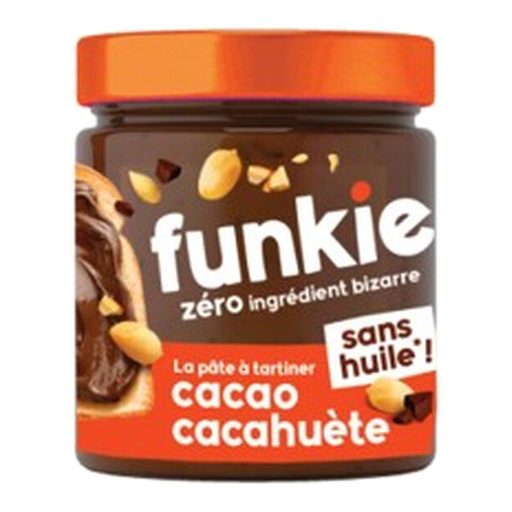
Why this choice suits this profile : According to the product information, this smooth spread combines peanut butter, cocoa, red bean paste and beet sugar from organic farming.
Its detailed ingredients list helps you distinguish an indulgent spread from natural peanut butter with no sugar. This means you know exactly what you are buying for your chosen use.
Smooth texture, cocoa and ingredients presented as organic. Enjoy it as a spread, in a dessert or simply on a slice of bread.
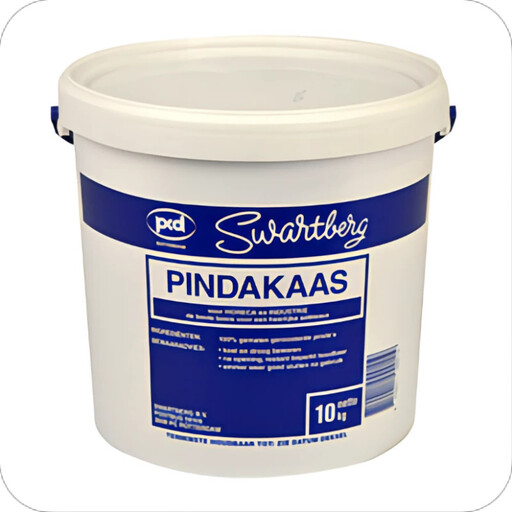
Why this choice suits this profile : This large format is intended for baking, catering or households that use peanut paste regularly.
The large format avoids building up a collection of small jars, but you will need to plan for dry storage, a properly closed lid and a suitable rate of consumption.
10 kg, approximately 26 g of protein per 100 g and versatile use for spreading, cooking or adding to a variety of recipes.
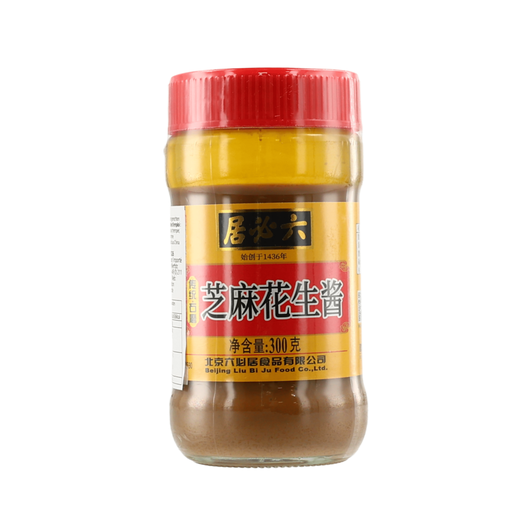
Why this choice suits this profile : Made with equal parts sesame and peanuts, this preparation is ideal for hot pot sauces, noodles and marinades.
The stated ratio of 50% sesame and 50% peanuts makes the recipe completely clear. This means it cannot be confused with pure peanut butter.
300 g jar, 25.7 g of protein per 100 g, with sesame and peanuts as the only declared allergens in the stated ingredients.
A bar such as the CLIF BAR Peanut Butter Banana Energy Bar slips easily into a bag and provides 6.8 g of protein per 68 g bar, with oat flakes and peanut pieces. However, it also contains sugar, so there is no point comparing it directly with peanut butter with no added sugar.
Peanut butter confectionery, such as Reese’s Peanut Butter Cups 2-Pack, Feastables Creamy Peanut Butter Cups or chocolate-coated biscuits, is primarily intended as an indulgent treat. Pay particular attention to sugar and saturated fat levels, without forgetting allergens such as milk, soya and wheat.
After opening, follow the instructions on the packaging. For a natural paste, stir it before use and serve it with a clean utensil. A sesame-peanut preparation may need to be refrigerated after opening, while an energy bar can generally be kept in a dry place.
For more variety, you can:
It depends on the instructions on the label. Some products can be stored in a cool, dry place, while others must be refrigerated after opening. Always follow the manufacturer's recommendations and use the jar promptly once opened.
Both terms can refer to a preparation made from ground peanuts. The main difference lies in the recipe: peanut paste may be pure or intended for cooking, while spreadable peanut butter may contain added sugar, salt or oil.
Start with the ingredients list. A recipe made solely from peanuts contains no added sugar. Even so, check the nutritional table: peanuts naturally provide carbohydrates and remain high in energy.