Fans of full-bodied brews to enjoy unsweetened
You’re looking for a hot drink with plenty of flavour, without adding sugar. Compare the main botanicals and brewing instructions rather than relying on a wellness claim.


When shopping with diabetes in mind, choose a herbal tea to drink unsweetened based on its ingredients and the flavour you’re looking for, without expecting it to affect your blood glucose. A mint and liquorice blend can have a distinctive, sweet flavour, but liquorice calls for particular caution if you have high blood pressure or cardiovascular risk, take medication or consume it regularly. Herbal tea is no substitute for a suitable diet or diabetes treatment.
You’re looking for a hot drink with plenty of flavour, without adding sugar. Compare the main botanicals and brewing instructions rather than relying on a wellness claim.
If you have high blood pressure or cardiovascular risk, take medication or drink herbal infusions regularly, check for liquorice before choosing a mint and liquorice blend. Anses warns of risks linked to high, repeated consumption of products containing liquorice.
If you want a full-flavoured cup at the end of the day, check whether it’s a herbal infusion or a blend containing tea, maté or guarana. Anses says caffeine can disrupt sleep.
Start with the ingredients and your personal circumstances, then choose a flavour profile and format that suit you. Here, ‘full-bodied’ describes a taste preference, not a measured level of strength that’s the same across all herbal teas.
| Criteria | What to check | Who it matters to |
|---|---|---|
| Flavour without added sweeteners | Read the ingredients to check for sugar, honey or syrup; consult the nutritional information if it’s shown on the packaging. | When I drink my tea unsweetened, I first look for a blend I enjoy as it is. Around 36% of consumers prioritise this. |
| Liquorice | Check the ingredients for liquorice, how much it contains if this is stated, and any warnings. Seek advice if you have a relevant health condition or take medication. | If I need to limit liquorice, its place in the blend matters more than its sweetness. Around 29% of consumers put this first. |
| Caffeine | Distinguish herbal infusions from tea, and look for tea, maté, guarana or caffeine in the ingredients list. | For an evening cup, I want to know whether the blend contains a source of caffeine. Nearly 21% of consumers put this question first. |
| Format and availability | Check the number of tea bags, the net weight and whether the product is available at your chosen shop. | For my regular shop, I prefer a format that suits me and a product I can find again. Around 14% of consumers prioritise this. |
Liquorice can give an infusion a sweet flavour without any sugar being added. According to Anses, high and repeated consumption of products containing liquorice can lead to hypokalaemia and high blood pressure.
Check the ingredients and warnings. If you have high blood pressure or cardiovascular risk, or take medication, ask for advice tailored to your circumstances before consuming it regularly.
A claim such as ‘detox’ or ‘after meals’ doesn’t make an infusion a treatment for diabetes. The DGCCRF notes that nutrition and health claims used for food products are regulated.
Choose based on the ingredients and any relevant precautions first, rather than assuming the herbal tea will affect your blood glucose.
Tea and maté can contain caffeine, even if you choose them for their intense flavour. Anses says caffeine can delay falling asleep and reduce the duration or quality of sleep.
If you want to avoid caffeine in the evening, check the full ingredients list rather than relying on the word ‘infusion’ alone.
These products illustrate how recipes can differ: the brand name alone doesn’t tell you how much liquorice a blend contains.
Auchan’s listing for the Grand Sud mint and liquorice blend describes a bagged infusion combining the two ingredients.
According to Twinings France, its Ayurveda Mint Liquorice Lime infusion contains 45% spearmint and 16% liquorice, as well as lemongrass.
Carrefour’s listing for its Liquorice Mint infusion states that it contains 71.5% liquorice and 28.5% mint.
E.Leclerc’s ‘after meals’ infusion combines spearmint, mallow, peppermint, aniseed, fennel and 8% liquorice.
This liquorice and mint infusion comes in a box of 20 tea bags; the Auchan listing includes a warning about liquorice.
This selection includes bagged herbal infusions, with or without liquorice in the described blend, as well as an instant ginger drink. Lipton Cold Infuse is made with cold water, so it’s not suitable if you’re looking for a hot drink.
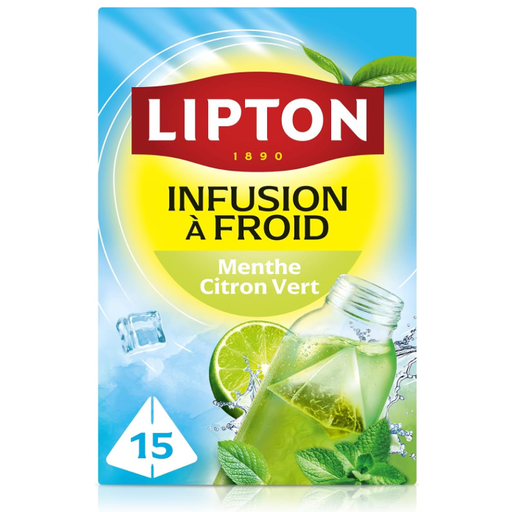 Image unavailable
Worth considering if you’re looking for a mint and lime drink to make with cold water, rather than a hot herbal tea.
The pack is listed as containing 15 tea bags. If liquorice or caffeine is a deciding factor for you, check the ingredients on the pack you choose.
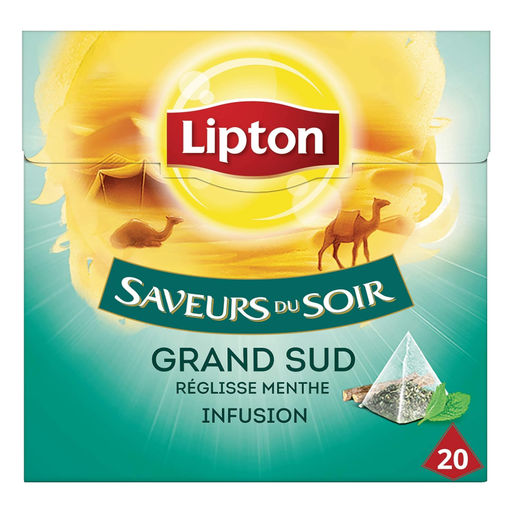 Image unavailable
This mint and liquorice blend is for people who enjoy both flavours and for whom liquorice doesn’t raise any particular concerns.
The pack is listed as containing 20 tea bags. According to Anses, high and repeated consumption of liquorice calls for caution; also check the steeping time on the packaging.
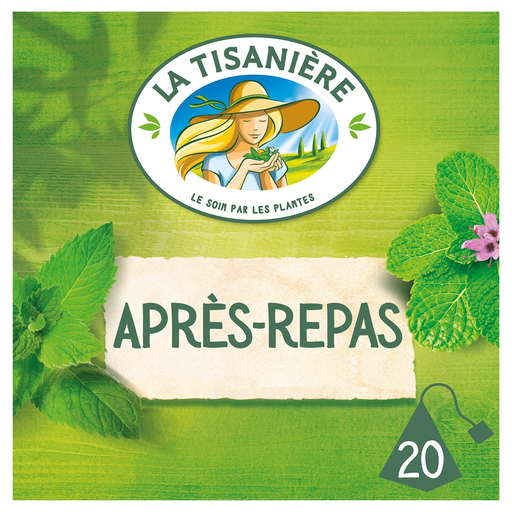 Image unavailable
The aniseed, mint and verbena blend may appeal if you prefer a mix of botanicals to a mint and liquorice-only recipe; its strength is a matter of taste.
The pack is listed as containing 20 tea bags. Liquorice is also listed among the ingredients, so check the label if you need to avoid it or limit your intake.
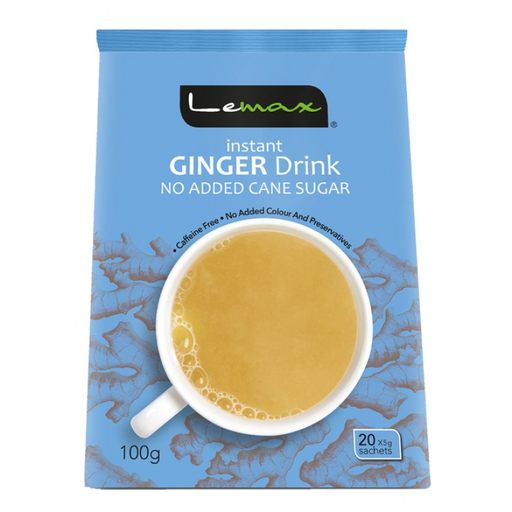 Image unavailable
This instant ginger drink can be mixed with hot water, but it isn’t a bagged herbal tea.
‘No added cane sugar’ doesn’t mean ‘sugar-free’. Check the nutritional information per 100 g and take into account how much powder you use per cup.
 Image unavailable
This verbena and mint blend is a good choice if you’re looking for those flavours rather than liquorice; the proportions alone don’t determine how strong the cup will taste.
The pack is listed as containing 20 tea bags. Check the brewing instructions on the packaging and the ingredients list if avoiding caffeine is essential for you.
No. Herbal tea with no added sugar doesn’t treat diabetes and shouldn’t be chosen to control blood glucose. Drunk unsweetened, it can replace a hot drink you might otherwise sweeten. Assurance Maladie notes that a suitable diet is part of diabetes care.
Liquorice can add a sweet flavour without being an added sugar, but it comes with its own precautions. According to Anses, high and repeated consumption of products containing liquorice can lead to hypokalaemia and high blood pressure. Read the ingredients and warnings for the blend you choose.
First, choose botanicals whose flavours you enjoy, then follow the recommended brewing time for the blend. For example, Auchan’s listing for Lipton Grand Sud recommends steeping it for 4 to 5 minutes, depending on your preferred strength. A stronger flavour doesn’t mean it will have an effect on diabetes.
No. These claims don’t show that an infusion treats diabetes or is suitable for everyone with the condition. The DGCCRF notes that nutrition and health claims are regulated. Check the ingredients and any precautions relevant to your circumstances when choosing a product.
Ask a doctor or pharmacist for advice tailored to your circumstances if you have high blood pressure or cardiovascular risk, take medication or are considering consuming liquorice frequently. Anses links high and repeated consumption of products containing liquorice with the risk of hypokalaemia and high blood pressure.