
Livraison le jour même ou le lendemain

Qualité garantie

Débloquez vos offres de bienvenue: Livraison GRATUITE | Jusqu'à -80 % | 30 jours d'essai gratuits à JoyPlus
Téléchargez l'application
Choosing a hair shampoo is not simply a matter of comparing fragrances or marketing claims on the label. Dry hair, oily scalps, coloured lengths, dandruff and frequent washing do not call for the same formulas. A product that feels pleasant from the first use may nevertheless weigh hair down, dry it out or irritate the scalp over time.
Here are the main pitfalls to avoid and the criteria to check before placing an order.
Oily roots can perfectly coexist with dry lengths. Conversely, normal hair can become coarse when exposed to an overly harsh formula. Take the time to distinguish between:
Applying a shampoo for oily hair to dry ends may intensify the feeling of dryness. If your hair is combination type, focus application on the roots and let the lather run through the lengths without rubbing them vigorously.
The claims organic shampoo, “naturally derived” or “with plant extracts” do not necessarily describe the entire formula. Check the stated percentage, any applicable certification and the INCI list.
For example, Avril shampoo for normal hair states that it contains 98% naturally derived ingredients, including 10% from organic farming, along with COSMOS Organic by Ecocert Greenlife certification. These details are far more informative than a vague marketing promise.
Plant extracts and essential oils may also be accompanied by fragrance components that are not suitable for every sensitivity. Check the ingredient list before buying, especially if you are looking for a shampoo for a sensitive scalp.
A sulphate-free shampoo may appeal because it gives a gentler cleansing sensation, but the absence of sulphates alone is not enough to assess a formula’s quality or suitability. The cleansing agents used instead can vary considerably, as can the quantity of fragrance or conditioning agents.
The same applies to silicone-free shampoo: it may leave hair feeling lighter, while a formula containing film-forming agents can sometimes make dry or coloured hair easier to detangle. The right choice therefore depends on the result you want, not merely on whether a particular ingredient is present or absent.
Ingredients listed at the beginning are generally present in higher quantities. For a frequent-use shampoo, choose a formula that matches your washing routine and observe how your scalp reacts after several uses.
A product described as gentle may contain several types of cleansing agents. L’Arbre Vert moisturising shampoo for normal hair includes Sodium Laureth Sulfate and Disodium Cocoamphodiacetate, among others. Its product information also states that it has a neutral pH, a silicone-free formula and 95% naturally derived ingredients.
Before choosing a vegan or organic shampoo, check:
Certification does not guarantee that a product will suit your scalp. It does, however, provide a concrete and verifiable reference point for certain aspects of the formulation.
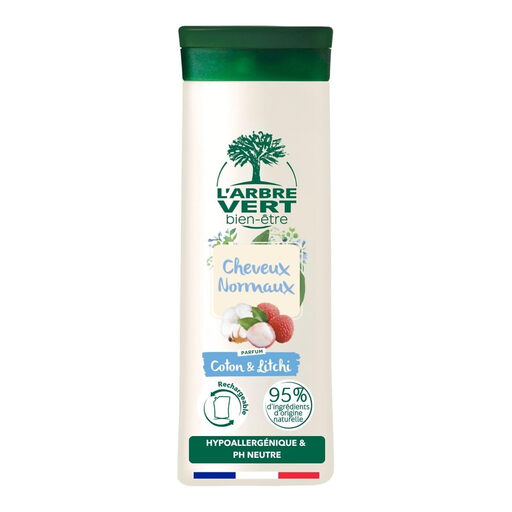
Why it suits this profile: A straightforward choice for a daily routine on normal hair, with manufacturing stated to take place in France.
The product information specifies a neutral pH, a silicone-free formula and 95% naturally derived ingredients, rather than relying on a vague promise of gentleness.
Cotton flower and lychee extracts, a 250 ml format, and a formula stated to be hypoallergenic and silicone-free.
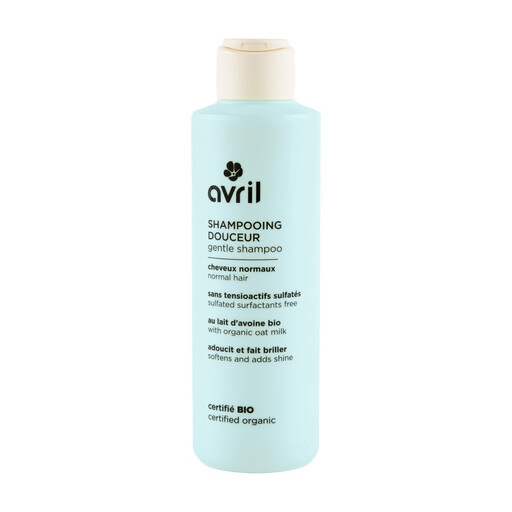
Why it suits this profile: Its certified formula is designed for those who want to incorporate an organic, vegan shampoo into a family routine.
COSMOS Organic certification by Ecocert Greenlife and the stated percentages make it possible to verify exactly what the organic claims cover.
Organic oat milk, vegan formula, pH stated at between 4.5 and 5, and 98% naturally derived ingredients.
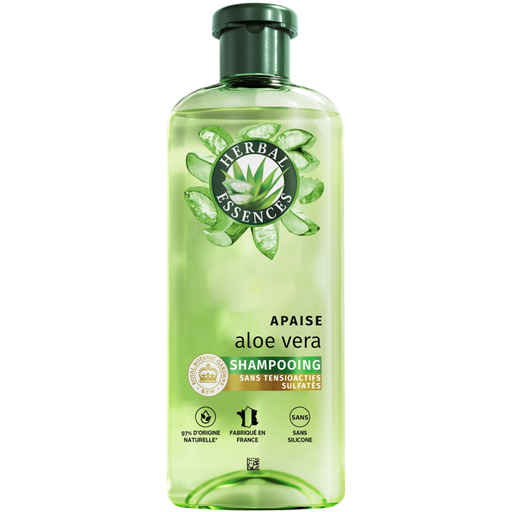
Why it suits this profile: A formula developed for dry hair, particularly when the lengths lack softness and flexibility.
The product information specifies that it contains no silicones or sulphates, making it easier to compare the formula against concrete criteria.
Aloe vera, a formula stated to be vegan, silicone-free and sulphate-free, with a lightweight lather.
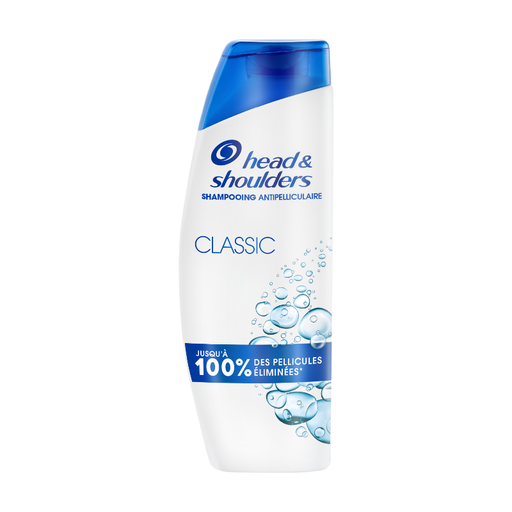
Why it suits this profile: An option to consider for targeting visible dandruff and the associated feeling of discomfort, in line with the brand’s stated guidance.
The active ingredient piroctone olamine appears in the INCI list. The anti-dandruff claims remain those communicated by the brand.
330 ml format, stated balanced pH and daily use mentioned in the product information.
Explore a complete, regularly updated selection of products matching these criteria.
Thoroughly wet your hair before applying a small amount of product. Massage mainly into the scalp using your fingertips, then allow the lather to distribute through the lengths. Rinse carefully to prevent residue from building up.
If your hair is dry or coloured, apply conditioner to the ends. For oily roots, avoid applying rich treatments directly to the scalp. Double cleansing may be useful after a workout or when using styling products, but it is not necessary every time you shampoo.
A gentle or frequent-use shampoo should be selected according to how your scalp reacts. Check the cleansing agents, fragrance and manufacturer’s recommendations. A one-litre format can reduce the cost per millilitre for a family, but remember to check the recommended period of use after opening.
A shampoo for normal hair may contain lightweight moisturising agents, glycerine or plant extracts. The L’Arbre Vert, Avril and Garnier formulas featured here have different characteristics: a stated pH, organic certification or lime blossom extract. Compare the INCI list with your preferences before ordering.
Yes. Some people use a detoxifying shampoo when product residue builds up, followed by a moisturising shampoo for regular washes. The frequency should remain appropriate for your scalp. If irritation, redness or a persistent issue occurs, stop using the product and seek professional advice.