
Livraison le jour même ou le lendemain

Qualité garantie

Débloquez vos offres de bienvenue: Livraison GRATUITE | Jusqu'à -80 % | 30 jours d'essai gratuits à JoyPlus
Téléchargez l'application
Visible flakes, itching, greasy roots or a dry feeling after every wash: choosing an anti-dandruff shampoo isn’t simply a matter of comparing the claims on the label. A formula that’s too harsh can make discomfort worse, while a product that’s too rich may weigh your hair down and leave your roots feeling greasy again in no time.
To avoid disappointing purchases, it’s worth checking the ingredients, the type of scalp the product is designed for and the size of the bottle. Here are the things to look out for before choosing an anti-dandruff shampoo available in France.
Menthol, citrus fragrances and essential oils create an instant cooling sensation. That doesn’t necessarily mean the formula is suitable for a sensitive or dry scalp. If you’re prone to irritation, check the INCI list for fragrance, limonene, linalool, essential oils or alcohol.
Claims such as “from the first use”, “up to 100%” or “up to 16 weeks” are marketing claims or results from trials cited by manufacturers. They can’t predict how the product will work for everyone. Instead, look at the active ingredient, the directions for use and whether the formula is suitable for your scalp.
A 1,000 ml bottle can be good value for frequent or family use, but it’s less convenient to carry around. A 250 or 330 ml bottle, on the other hand, lets you try a formula without committing to a big spend. For a fairer comparison of bottle sizes, check the price per 100 ml.
Piroctone olamine is used in several formulas designed for scalps prone to dandruff. It can be found in some Franck Provost and Head & Shoulders shampoos. However, its presence doesn’t guarantee the same experience for everyone: how often you use the product, how well you tolerate fragrance and the other ingredients all play a part.
When choosing a piroctone olamine shampoo, always check the INCI list printed on the packaging, as formulas may change. If the product gets into your eyes, rinse thoroughly. Stop using it immediately if irritation or a skin reaction occurs.
Cosmos Organic, Ecocert, vegan and “99% of natural origin” don’t all mean the same thing. For example, the Cattier anti-dandruff shampoo mentioned below is described as Ecocert Greenlife certified, vegan and silicone-free. Avril’s formula is also stated to be Cosmos Organic certified and vegan. Compare these details with your own priorities, without treating certification as a substitute for checking how your skin responds to the product.
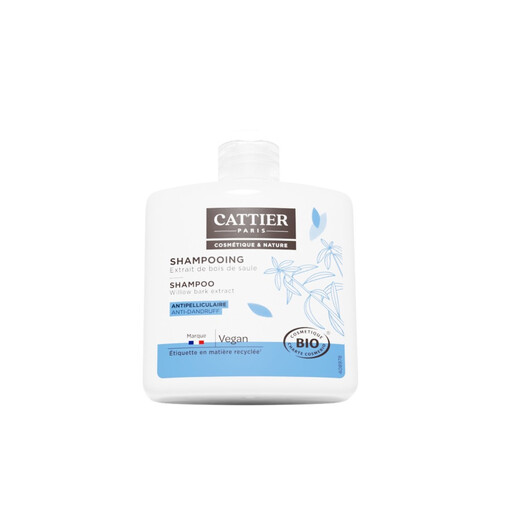
Why it suits this profile : The 250 ml bottle lets you try a formula designed for sensitive scalps without committing to a large bottle straight away.
The product details state that it’s silicone-free, vegan and Ecocert Greenlife certified, while also noting the presence of fragrance and allergens for you to check.
Stated to contain 99 % ingredients of natural origin, with plant extracts, and to be made in France.
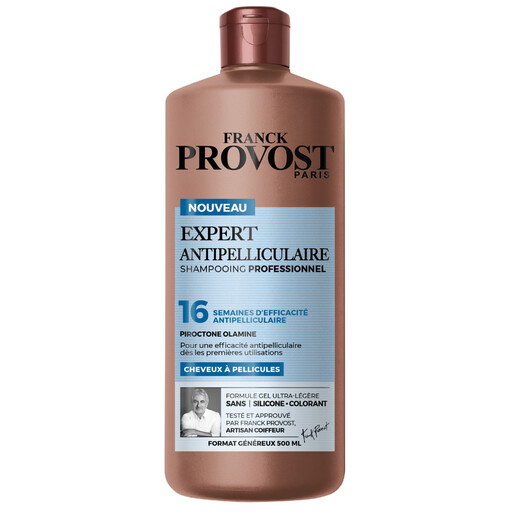
Why it suits this profile : The 500 ml bottle is a good fit for a regular routine, while its silicone-free gel formula is designed for dandruff-prone hair.
The presence of piroctone olamine and the absence of silicone are clearly stated, making it easier to compare with other formulas.
A mid-sized bottle, piroctone olamine and a lightweight texture as described by the brand.
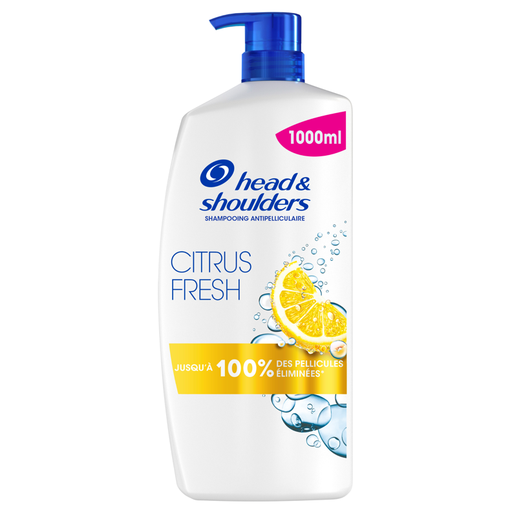
Why it suits this profile : The one-litre bottle is handy for households that wash their hair often and want a formula designed for oily hair.
It’s specifically described as being for oily hair, rather than as a moisturising formula for dry scalps.
Piroctone olamine listed in the ingredients, a citrus fragrance and a one litre bottle.
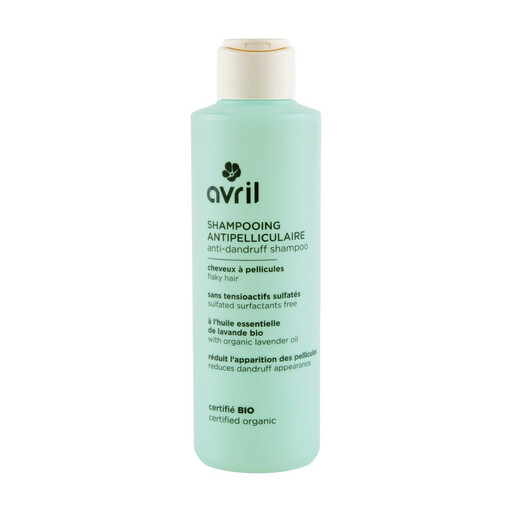
Why it suits this profile : This option is for people who prioritise organic certification, a vegan formula and ingredients of natural origin.
The product details specify Cosmos Organic certification, the proportion of ingredients of natural origin and the presence of essential oils, which is worth bearing in mind if you have sensitive skin.
Stated to contain 98 % ingredients of natural origin, with a vegan formula, and to be made in France.
We’ve put together a comprehensive list, updated in real time, of products that meet these strict selection criteria and European safety regulations.
Follow the frequency stated on the bottle and keep an eye on how your scalp responds. Depending on the formula, regular use may be needed. However, if you develop irritation, persistent redness or worsening symptoms, stop using the product and ask a healthcare professional for advice.
Yes, as long as you check the ingredients carefully. Choose a shampoo for sensitive scalps with care, as fragrance, menthol and essential oils may not suit everyone. Try it cautiously and rinse thoroughly.
Compare the price per 100 ml rather than the price of the bottle alone. 1,000 ml bottles suit frequent users, while sizes from 250 to 500 ml reduce the risk of buying a large amount of a formula that doesn’t suit you.