If you’re planning to serve crêpes, buy ingredients or ready-made crêpes labelled ‘gluten-free’: gluten-free pasta is not a substitute for crêpe batter. Save penne or spaghetti for a separate savoury dish. If you’re cooking for a guest with coeliac disease, check the label on the specific product and take care to avoid cross-contamination during preparation.
Who are you preparing this meal for?
Someone hosting a guest with coeliac disease
Choosing the right product isn’t enough: you also need to protect it from crumbs and utensils or surfaces that have been in contact with foods containing gluten. AFDIAG stresses the importance of this precaution when preparing meals at home.
Someone serving crêpes as the main course
You’ll need ingredients to make gluten-free crêpes, or ready-made crêpes—not dried pasta. AFDIAG’s recipe includes rice flour and cornflour or corn starch.
Someone planning to serve pasta as well
Gluten-free penne, fusilli or spaghetti may work for a separate savoury dish. Choose a shape to suit how you plan to serve it, then check that the pack you buy says ‘gluten-free’.
What should guide your choice?
Serve gluten-free crêpes
Choose this if: crêpes are the dish your guest with coeliac disease needs to be able to eat.
What you’ll need: suitable flour or a mix, or ready-made crêpes, and a preparation area free from cross-contamination.
Serve pasta separately
Choose this if: you’re planning a savoury pasta dish as well as crêpes.
Bear in mind: pasta doesn’t provide any of the ingredients you need for crêpe batter, and it must be cooked without cross-contamination.
| Criterion |
What to check |
Who is it for? |
| Gluten-free labelling |
Check for the words ‘gluten-free’ and make sure the pack you receive is intact. In the European Union, Implementing Regulation (EU) No. 828/2014 reserves this claim for foods containing no more than 20 mg/kg of gluten. |
When I’m hosting someone with coeliac disease, I want to be able to identify the exact product I’m going to serve them. Around 36% of consumers put this check first. |
| Type of product |
To make crêpes, choose suitable ingredients or a mix; for a separate dish, choose gluten-free pasta. |
If crêpes are at the heart of the meal, buying penne doesn’t meet my needs. Around 29% of consumers put choosing the right type of product first. |
| Shared preparation |
Use a clean pan and utensils for the crêpes; don’t reuse cooking water that has been used for pasta containing gluten. AFDIAG recommends avoiding cross-contamination. |
When preparing foods with and without gluten in the same kitchen, I want to make sure they don’t get mixed up when serving. This is the main concern for around 21% of consumers. |
| Pack size and product availability |
Check the pack size, how many guests you need to serve and whether the product is available at your shop. |
When serving a group, I look for a pack size that suits my needs and that I can actually buy. Around 14% of consumers put this first. |
What should you avoid?
-
Confusing pasta with crêpe batter
Gluten-free fusilli or spaghetti can be used to make a different dish, but they won’t make crêpes. AFDIAG’s gluten-free crêpe recipe includes rice flour and cornflour or corn starch.
Before you buy, decide whether you’re making crêpes or an additional pasta dish.
-
Relying on the pack label alone
Crumbs, a pan or utensils that have been in contact with a wheat-based mixture can contaminate food that was originally gluten-free.
Clean your worktop and use clean utensils. Prepare the gluten-free portion before handling anything that may leave traces of gluten.
-
Trusting the brand rather than the specific product
The name of a pasta brand doesn’t mean that every product in its range is suitable for someone with coeliac disease.
Look for the words ‘gluten-free’ on the pack of the product you’re actually buying, and check the other labelling information too.
Which brands should you look at?
These ranges may point you towards a separate pasta dish or crêpe ingredients, but the brand name alone is never a substitute for checking the specific product.
Barilla
Its gluten-free pasta range includes several shapes for savoury dishes, including penne rigate.
- Barilla describes its range as being made primarily from maize and rice.
- This pasta isn’t for making crêpes; check the specific product and the pack you receive.
Carrefour No Gluten
The range includes gluten-free pasta and separate products for making crêpes.
- It allows you to look separately for a pasta dish and a solution for crêpes.
- Check the label on each product you choose rather than assuming its features from the range name.
Auchan
Gluten-free pasta is available in several shapes, including fusilli.
- Auchan’s product listing for 500 g gluten-free fusilli describes a maize- and rice-based recipe and says the product is listed with AFDIAG.
- Check which product is available at your shop and what its pack says.
Chaque Jour Sans Gluten / Marque Repère E.Leclerc
This range includes 400 g gluten-free penne for a separate savoury dish.
- E.Leclerc’s product listing for the penne states that it contains white maize flour, yellow maize flour and brown rice flour.
- Check availability with your chosen E.Leclerc store.
Panzani
The brand offers pasta in different shapes; if you’re cooking for someone with coeliac disease, choose a specific product.
- Don’t assume Panzani pasta is gluten-free just because of the brand name: check the label on the pack.
Lustucru
The brand offers fresh and filled pasta, among other products, and you should check each one individually.
- If you’re cooking for someone with coeliac disease, only choose a product if the pack explicitly says ‘gluten-free’.
Joybuy products for crêpes or a savoury dish
Cornflour and rice flour are ingredients used in AFDIAG’s gluten-free crêpe recipe; the three pasta products below are for a separate savoury dish. Whichever you choose, check for the words ‘gluten-free’ on the pack you receive and prepare the meal without cross-contamination.
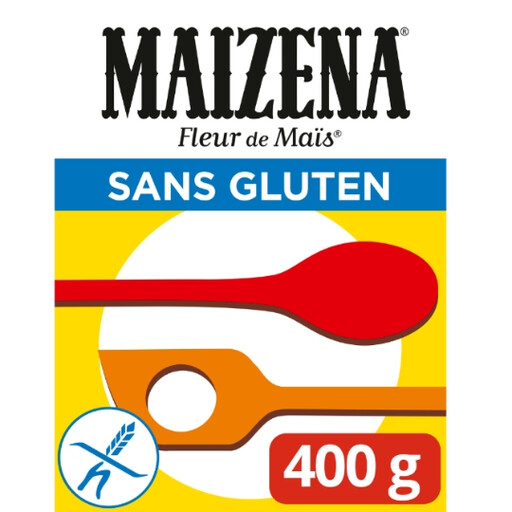 Image unavailable
MAIZENA gluten-free cornflour 400 g
This cornflour is an ingredient used in AFDIAG’s gluten-free crêpe recipe; on its own, it isn’t crêpe batter. Check for the words ‘gluten-free’ on the pack you receive.
View on Joybuy
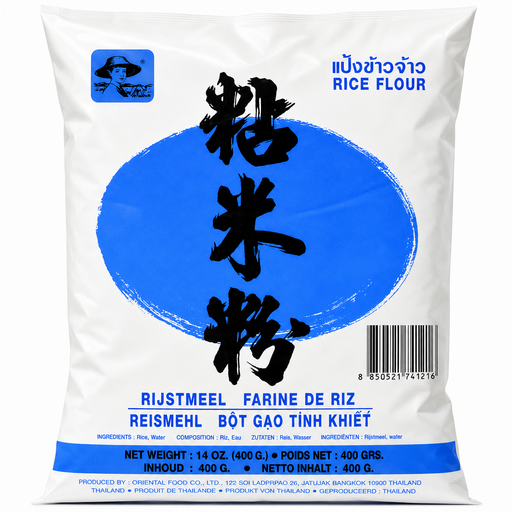 Image unavailable
Farmer Brand rice flour 400 g
Rice flour is one of the ingredients in AFDIAG’s gluten-free crêpe recipe. If you’re cooking for someone with coeliac disease, check for the words ‘gluten-free’ on this specific pack before using it.
View on Joybuy
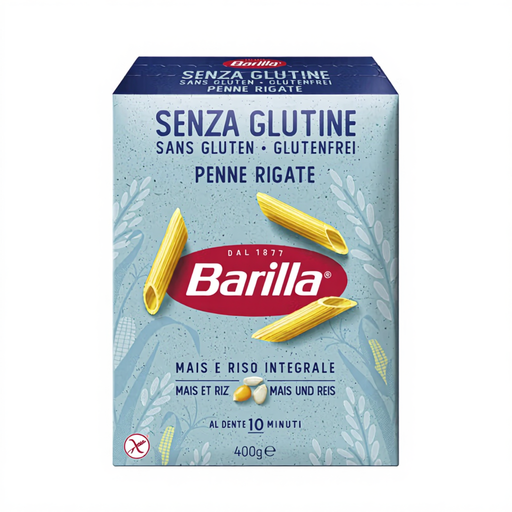 Image unavailable
Barilla Penne Rigate gluten-free 400 g
These penne are for a savoury pasta dish, not for making crêpes. Joybuy’s product listing describes them as containing white maize, yellow maize and brown rice; use uncontaminated cooking water and utensils.
View on Joybuy
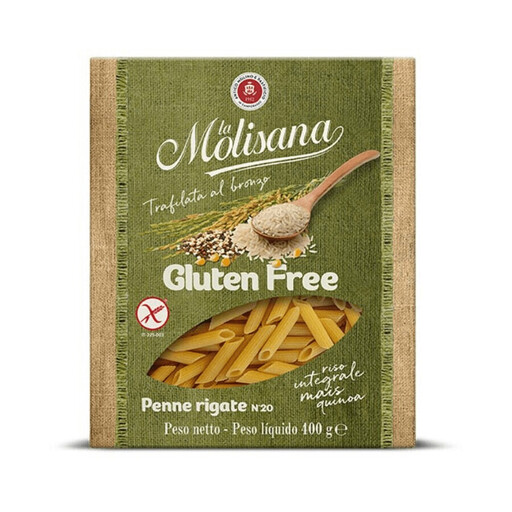 Image unavailable
La Molisana Penne Rigate No. 020 gluten-free
These penne are a good choice for a separate savoury dish rather than crêpes. The product description lists rice, maize, tapioca and quinoa; check for the words ‘gluten-free’ on the pack you receive and avoid using contaminated cooking water.
View on Joybuy
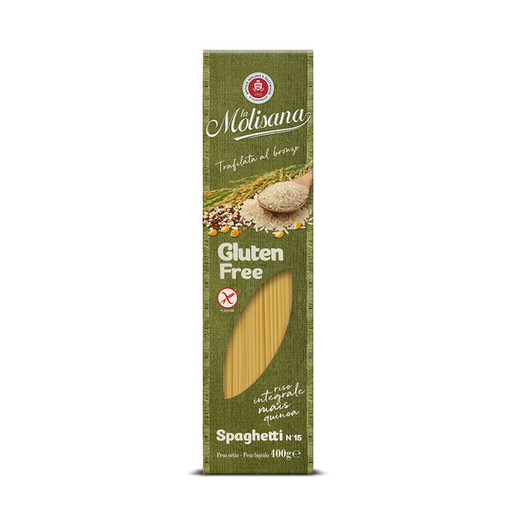 Image unavailable
La Molisana Spaghetti No. 15 gluten-free 400 g
These bronze-drawn spaghetti are intended for a separate pasta dish. The product name mentions wholegrain rice, maize and quinoa; check the pack you receive and take care to avoid cross-contamination during cooking and serving.
View on Joybuy
Frequently asked questions
What does ‘gluten-free’ mean on a food label?
In the European Union, Implementing Regulation (EU) No. 828/2014 permits this claim on food sold to the final consumer if it contains no more than 20 mg/kg of gluten. This rule applies to the labelled food; it doesn’t remove the need to avoid contamination while preparing the meal.
Can you make crêpes with gluten-free pasta?
No. Gluten-free pasta is for a separate dish and isn’t a substitute for crêpe batter. AFDIAG’s gluten-free crêpe recipe includes rice flour, corn starch or cornflour, and eggs.
How can you serve gluten-free crêpes if you’re also cooking with wheat?
Make the gluten-free crêpes using a clean pan, spatula and worktop, and keep them separate from the wheat-based mixture. AFDIAG recommends avoiding cross-contamination throughout preparation.
What should you check if a product has the ‘crossed grain’ logo?
Also check for the words ‘gluten-free’ and read the information on the specific pack you’re buying. According to AFDIAG, the ‘crossed grain’ logo makes gluten-free products easier to identify; it doesn’t replace checking the packaging or taking care in the kitchen.


