People with coeliac disease looking for a safe choice
You’re looking for a product clearly labelled “gluten-free”. You also need to avoid cross-contamination during preparation, as AFDIAG advises.


For a budget-friendly food shop for someone with coeliac disease, first look for pasta whose packaging clearly says “gluten-free”, then choose a shape and quantity to suit the meals you have planned. Check the exact product: a rice- or maize-based recipe, or a brand name, is no substitute for checking the label. You’ll also need to prepare it in a way that avoids cross-contamination.
You’re looking for a product clearly labelled “gluten-free”. You also need to avoid cross-contamination during preparation, as AFDIAG advises.
You compare pack sizes and quantities to choose pasta that suits the meals you have planned for your household.
You’re looking for gluten-free spaghetti, small pasta shells, penne or fusilli, rather than a shape that won’t work in the dishes you make at home.
For someone with coeliac disease, check that the exact product is labelled “gluten-free” before comparing shapes, pack sizes and ingredients.
| Criterion | What to check | Who it matters to |
|---|---|---|
| “Gluten-free” label | The label on the exact pack; preparation conditions if you share a kitchen. | If I’m preparing pasta for someone with coeliac disease, I want to identify the product clearly and avoid contact with foods containing gluten. Around 36% of consumers would put this precaution first. |
| Pack size | The net weight and the quantity needed for the meals you have planned. | When planning the household food shop, I prefer a pack size that suits our usual needs. This would be the main concern for around 29% of consumers. |
| Shape and cooking time | A shape that suits the recipe and the cooking instructions for the product. | When replacing the pasta in a familiar dish, I first look for a shape that works with the recipe. Around 21% of consumers would prioritise this. |
| Ingredients | The flours and other ingredients listed on the packaging. | If I’m looking for a recipe made with particular flours, I check the ingredients list on every pack. Around 14% of consumers would put ingredients ahead of the other criteria. |
For someone with coeliac disease, the main ingredient alone doesn’t confirm that the pasta is suitable as a gluten-free option.
Look for the “gluten-free” label on the packaging of the exact shape and product you’re buying.
Shared utensils, work surfaces or cooking water used for wheat pasta can lead to cross-contamination.
AFDIAG recommends keeping gluten-free foods separate, cleaning surfaces and not reusing cooking water that has been used for foods containing gluten.
A brand may offer different ranges, so the brand name alone doesn’t tell you what’s in a particular pack.
Check the label and ingredients list for every product, even if you already know the brand.
E.Leclerc’s range includes gluten-free spaghetti, small pasta shells, penne, fusilli and tagliatelle.
Carrefour’s range includes gluten-free fusilli and spaghetti in 500 g packs.
Auchan offers 500 g packs of gluten-free small pasta shells.
Barilla’s gluten-free range includes small pasta shells, penne rigate and tagliatelle.
Panzani offers gluten-free spaghetti and penne, among other shapes. Its spaghetti comes in a 500 g pack.
These fusilli, penne, spaghetti and short macaroni give you a choice of shapes to suit the meals you have planned. If the pasta is for someone with coeliac disease, check the “gluten-free” label on the exact pack before use.
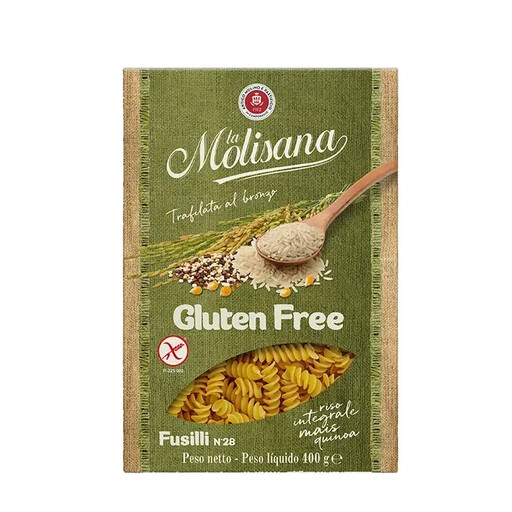 Image unavailable
A fusilli shape to consider for meals where you’d like a short pasta. The pack size shown is 400 g; if it’s for someone with coeliac disease, check the label on the exact pack.
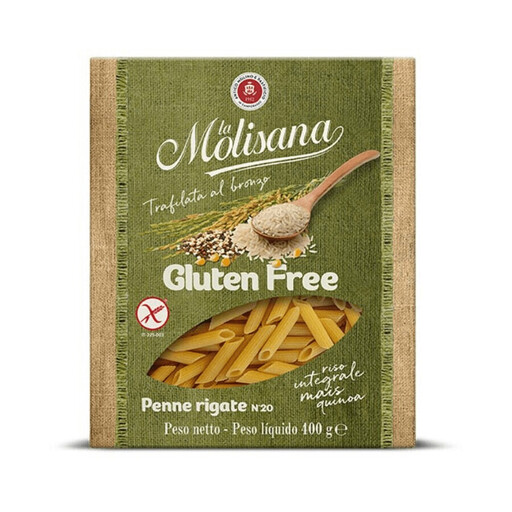 Image unavailable
An option for recipes that call for penne rigate. If it’s for someone with coeliac disease, check that the exact pack is labelled “gluten-free”.
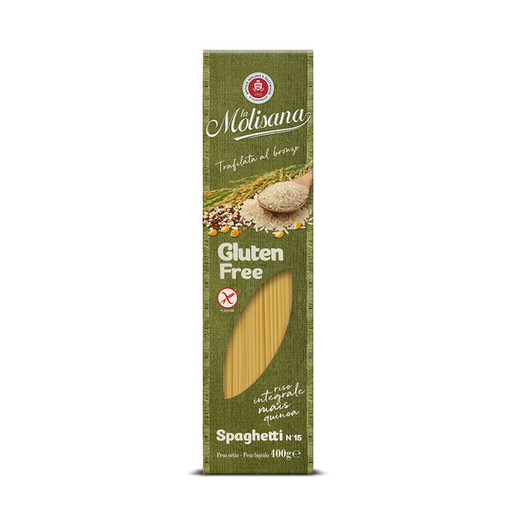 Image unavailable
Worth considering when spaghetti is the right shape for your meal. The product name indicates a 400 g pack and mentions brown rice, maize and quinoa; if it’s for someone with coeliac disease, check the labelling on the pack.
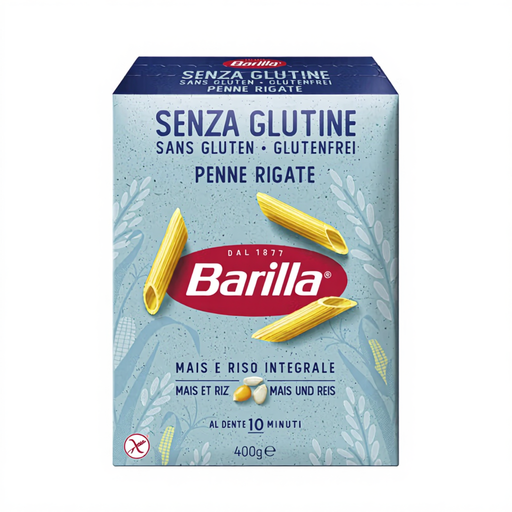 Image unavailable
These 400 g penne rigate let you choose a specific shape for your recipes. Barilla describes its gluten-free range as a blend of maize and rice; check the ingredients and label on this exact pack.
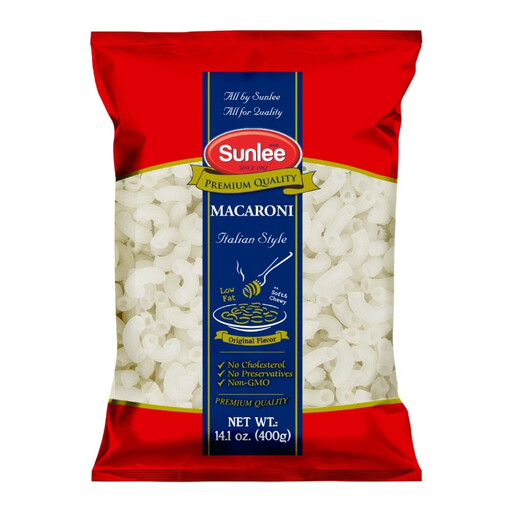 Image unavailable
Short rice macaroni to consider if this shape suits your dish. The pack size shown is 400 g; if it’s for someone with coeliac disease, don’t assume the rice alone makes it suitable—check the packaging for a “gluten-free” label.
In the European Union, Implementing Regulation (EU) No 828/2014 sets out the rules for this claim on products containing no more than 20 mg/kg of gluten. Check that it appears on the exact pack of pasta you choose.
No. The presence of rice or maize alone is no substitute for a “gluten-free” label. Check the labelling on the exact product before choosing it for this purpose.
Keep gluten-free foods separate from foods containing gluten, and clean any shared surfaces and utensils. AFDIAG also advises against using cooking water that has already been used for foods containing gluten.