What should you check before buying?
First, make sure it meets your gluten-free requirements. Then choose between ready-to-eat bread and a base you can prepare yourself, depending on the texture you want and how much time you have.
| Criteria |
What to check |
Who is it for? |
| Gluten-free suitability |
Check for a ‘gluten-free’ label and read the ingredients. If you’re buying from a bakery, ask about cross-contamination too. |
When shopping for someone who needs to strictly avoid gluten, suitability comes before how closely the bread resembles traditional fougasse; around 36% of consumers would make this their priority. |
| Texture and toppings |
Choose between a ready-to-eat product and a base you can top yourself. You can adjust its shape or thickness when preparing it. |
If a child is unsure about a new texture, being able to adapt the bread to their preferences may help you decide; around 29% of consumers would put acceptance first. |
| Preparing it at home |
Check whether you’re buying dough ready to top or flour that you’ll need to turn into dough, then plan the toppings and baking. |
If you want to shape a savoury bread to share, making the base yourself lets you choose its shape and toppings; around 21% of consumers would prioritise this option. |
| Local availability |
Check what’s available in your local shop or for click and collect, and have another savoury, explicitly gluten-free option in mind. |
If you’re planning a meal around products available nearby, having a substitute means you won’t have to fall back on wheat-based fougasse; around 14% of consumers would prioritise having this back-up. |
A flour to consider for home cooking
This Joybuy selection is a flour for cooking with, not a ready-to-eat fougasse. If you need to avoid gluten strictly, check the labelling and packaging information before using it.
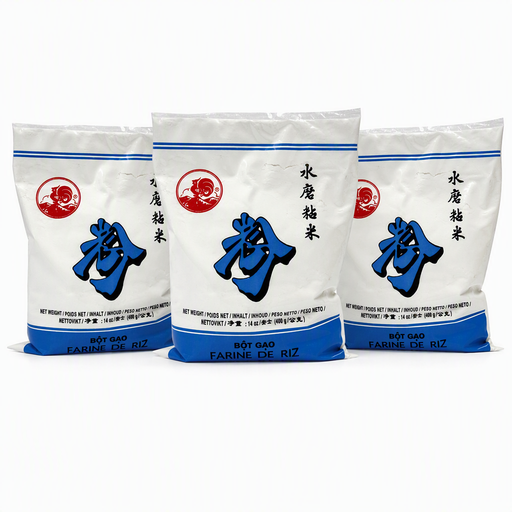 Image unavailable
Cock Brand rice flour, 400 g (pack of 3)
This flour is for anyone who’d rather make a savoury base themselves than buy ready-to-eat fougasse. The pack contains three 400 g bags. It isn’t a blend of white and wholemeal wheat flours. Check the labelling to make sure it meets your gluten-free requirements, and don’t assume a fougasse recipe will work with it or that your child will like the result.
View on Joybuy
Frequently asked questions
Is traditional fougasse suitable for gluten-free shopping?
Not if the recipe contains wheat or wheat gluten. The product pages for the fougasses checked at Carrefour and Auchan list these ingredients; the page for PAUL’s olive fougasse lists T65 flour. Always check the details of the specific product you’re buying.
Is a blend of white and wholemeal flours gluten-free?
Not if they’re wheat flours. How refined the flour is doesn’t remove the gluten from wheat. If you need to avoid gluten strictly, look for a recipe that’s explicitly gluten-free and check its ingredients rather than relying on the words ‘white’ or ‘wholemeal’.
What should I choose if I want to top my own bread, similar to fougasse?
Pizza dough clearly labelled gluten-free gives you a base to top; using gluten-free flour means you’ll also need to make the dough. Carrefour and E.Leclerc list bases of these kinds. Choose toppings to suit your child’s preferences, but don’t assume baking will give you the same texture as wheat-based fougasse.
Can I rely on Lidl’s gluten-free products for a planned meal?
Check what’s available in your local shop before planning a meal around a particular product. Lidl France says its gluten-free products are available during occasional promotions and aren’t part of its permanent range.
Is PAUL’s olive fougasse gluten-free?
PAUL’s published recipe contains T65 flour, so don’t assume it’s suitable for a gluten-free diet just because the retailer sells other products. PAUL also states on one product page that it can’t guarantee the absence of cross-contamination. Ask for information about the specific product before you buy.


