
Livraison le jour même ou le lendemain

Qualité garantie

Débloquez vos offres de bienvenue: Livraison GRATUITE | Jusqu'à -80 % | 30 jours d'essai gratuits à JoyPlus
Téléchargez l'application
Flavoured Korean soju appeals to fans of Asian cuisine, as well as K-pop and K-drama enthusiasts. Strawberry, peach, apple, mango, green grape… there is no shortage of flavours. However, behind the colourful labels, bottles can differ considerably, particularly in terms of alcohol content, volume and ingredients.
Before buying, take the time to check the alcohol content, net volume and ingredient list. This basic information can help you avoid unpleasant surprises, such as a very sweet drink, a bottle that is too small for the number of guests or a product that has not been stored correctly.
Strawberry, peach or mango soju may rely mainly on flavourings, with varying proportions of juice or fruit wine. The flavour shown on the bottle is therefore not enough to determine how it will taste.
When the list is available, check the ingredients. It may mention strawberry, peach or grape juice, as well as corn syrup, sugar and acidity regulators.
At 12% vol., flavoured soju often seems milder than a stronger traditional soju. It is still an alcoholic drink, however. A 350 or 360 ml bottle at 12% contains around 42 to 43 ml of pure alcohol, equivalent to approximately 34 g.
In France, this represents just over three standard 10 g measures, depending on the serving size. The fruit flavour makes it easy to drink, but it does not reduce the amount of alcohol consumed. Take your time and do not rely on taste alone.
Before opening, most products can be stored at room temperature, in a cool place away from direct light. Recommendations may vary after opening. If in doubt, consume the bottle promptly and refrigerate it if advised on the label.
The most common formats are the 350 ml soju bottle and the 360 ml bottle. The difference may seem small, but it can matter when sharing a bottle or preparing several cocktails.
At the same alcohol strength, a 360 ml bottle logically contains slightly more pure alcohol than a 350 ml format. The products featured here generally contain 12% vol. With its 16.5% vol., ChumChurum Original is better suited to those looking for the traditional soju profile rather than a fruitier, milder drink.
Serving temperature also affects how sweetness is perceived. When indicated on the label, tasting it at around 4°C will generally enhance the feeling of freshness.
Before ordering, check that the packaging clearly provides the essential information: alcohol strength, net quantity, ingredients, allergens, best-before date or any other date shown on the packaging, the name of the responsible operator or importer established in the European Union, and health warnings.
Alcohol may only be sold to adults. In France, alcoholic drinks cannot be sold to anyone under 18. Drinking alcohol is not recommended during pregnancy, and alcohol should never be combined with driving.
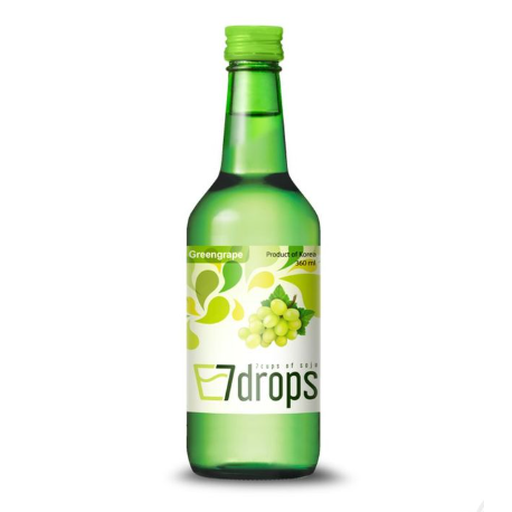
Why this product suits this profile: Green grape adds a fresh, fruity touch. At 360 ml, this bottle is suitable both for a first tasting and for serving several people.
The product details clearly state the 12 % strength and 360 ml volume. They also mention green grape juice, sugar and flavourings in the ingredients.
Green grape flavour, 12 % vol., 360 ml format, and storage away from heat and humidity.
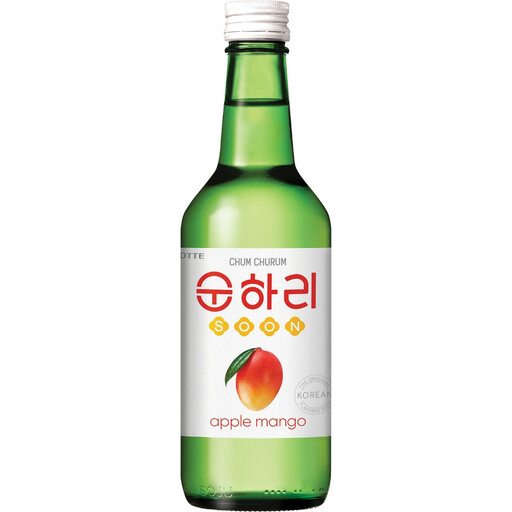
Why this product suits this profile: This Korean product combines apple and mango in a 350 ml bottle. It is best enjoyed well chilled, whether served with a meal or at a party.
The alcohol strength and volume are included directly in the product reference. The combination of two fruits creates a more distinctive profile than a simple generic flavour.
12 % vol., 350 ml, apple-mango pairing and recommended served well chilled.
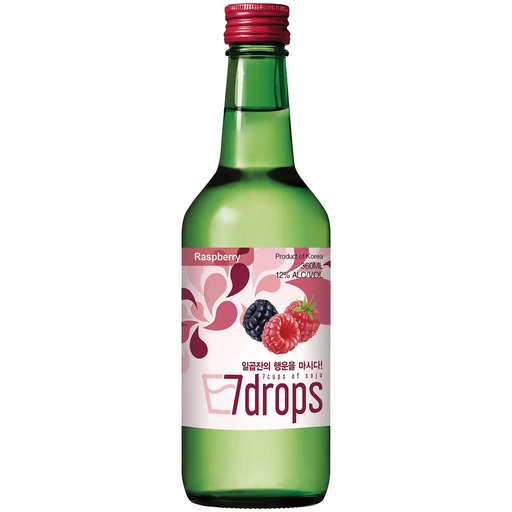
Why this product suits this profile: Its raspberry flavour works equally well served chilled or over ice, as well as mixed with tonic or lemonade. A versatile choice for enjoying it in different ways.
The product details specify the 12 % strength and 360 ml format. They also state that there are no known allergens and provide practical serving suggestions.
Raspberry flavour, 360 ml, 12 % vol. and the option to use it in soju-based cocktails.
We have selected a comprehensive, real-time updated list of products that meet these selection criteria and European safety requirements.
Place the bottle in the fridge before serving, then enjoy the soju neat, over ice or in a glass. To prepare a soju cocktail, start by adding a small amount of lemonade, sparkling water or tonic to preserve the fruit flavour.
Lemon, yuzu and green grape varieties pair particularly well with citrus fruits and fizzy drinks, which give them extra vibrancy. Yoghurt and peach flavours work better with milder accompaniments.
Avoid mixing several alcoholic drinks without measuring the quantities, and always provide a non-alcoholic drink at the table. Alcohol must not be served to minors or consumed before driving.
Some fruit-flavoured products contain 12% vol., while the ChumChurum Original featured in this selection has an alcohol strength of 16.5%. The strength varies from one bottle to another: always check the label and do not rely solely on the sweetness of the flavour.
Most products are best enjoyed chilled. Cooling can reduce the perception of sweetness and enhance freshness on the palate, but it does not alter the amount of alcohol. Follow the storage conditions and recommendations shown on the packaging.
A 350 ml bottle at 12% contains around 42 ml of pure alcohol. A 360 ml bottle at the same strength contains approximately 43 ml. These figures are indicative: to keep consumption sensible, consider the amount poured into each glass and the number of people sharing the bottle.