
Livraison le jour même ou le lendemain

Qualité garantie

Débloquez vos offres de bienvenue: Livraison GRATUITE | Jusqu'à -80 % | 30 jours d'essai gratuits à JoyPlus
Téléchargez l'application
Exotic fruit drinks are wonderfully appealing, with flavours of mango, lychee, guava and pineapple. But a colourful bottle and the promise of tropical flavours are not enough to guarantee the right choice. Juice made from concentrate, nectar, fruit drink or cocktail purée: the ingredients, packaging and storage requirements can affect your budget, as well as the taste.
Here are the criteria to review before filling your basket, whether you are looking for a few cans for a break, packs of fruit drinks for a party or a large format for the whole family.
The word “juice” does not necessarily mean that the drink contains fruit juice alone. Some products are made from concentrate. Nectar, meanwhile, may combine fruit purée or juice with water and, optionally, sugar. Fruit drinks may contain a lower proportion of fruit, supplemented with water, flavourings or acidity regulators.
Before choosing, check the product’s exact designation and its fruit percentage. A mango nectar may be thicker than a mango drink, without having the same composition as mango juice.
A label decorated with mangoes, pineapples and passion fruit may suggest that the drink is particularly rich in fruit. However, the ingredients list remains the best reference. For a tropical fruit juice, look at the order in which the ingredients appear: those present in the greatest quantities are generally listed first.
Spring Valley exotic fruit juice, for example, combines apple, pineapple, orange, mango, mandarin, passion fruit and guava, among other ingredients. Apple makes up a significant part of this blend. This gives you a better idea of the taste and helps avoid disappointment based solely on the packaging.
A large carton may seem more economical, but you should also consider the space available, the best-before date and how soon the drink needs to be consumed after opening. Conversely, individual cans and cartons are convenient to take with you, but their price per litre is often higher.
To compare offers properly, divide the price of the pack by its total volume. A pack of 24 330 ml cans therefore contains 7.92 litres. A one-litre carton, on the other hand, is better suited to serving by the glass.
Look out in particular for the following terms:
Maaza Mango Drink 500 ml contains 17% mango purée, while Maaza Lychee 1 L states 18% lychee purée. These details are far more useful when comparing two products than claims such as “intense flavour”.
The “of which sugars” line shows the total amount of sugar per 100 ml, whether it comes naturally from the fruit or has been added. Here are some examples taken from the product listings:
Always compare figures given for the same volume. A 200 ml serving cannot be interpreted in the same way as a one-litre bottle. If you are looking for a concentrate with no added sugar, the MAAZA Concentrate Guava Juice 500 ml listing describes it as such. Even so, check the ingredients and dilution instructions on the packaging you receive.
For a household, brunch or reception, one- to two-litre bottles reduce the number of individual packages and make serving easier. Cans of 310 to 330 ml are better suited to meals on the go, buffets or portion control. 200 ml cartons are easy to hand out, particularly at snack time, but you should take into account their composition and each child’s needs.
Finally, drinks containing pieces require particular care. Mogu Mogu Nata de Coco Drink Lychee contains 25% nata de coco cubes. Its product information warns of a choking risk for young children and older people, so it should be consumed with care.
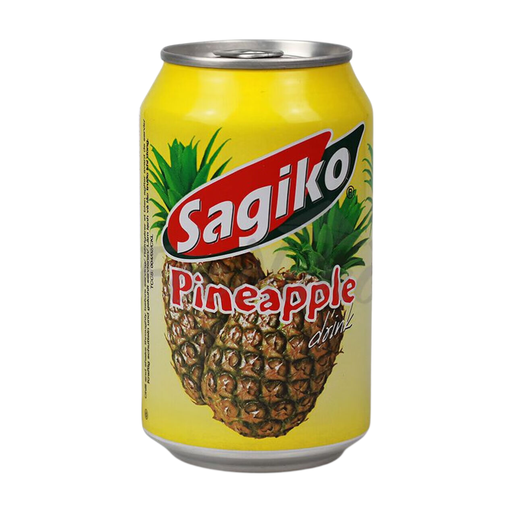
Why it suits this profile : Its individual format lets you try a pineapple drink without committing to a large volume straight away. It is ideal for breaks, quick meals and fans of Asian drinks.
The product information specifies that this is a drink made from pineapple concentrate. You can therefore compare it with juice or nectar, knowing exactly what to expect.
320 ml can, 49 kcal and 8.4 g of sugars per 100 ml according to the product information.
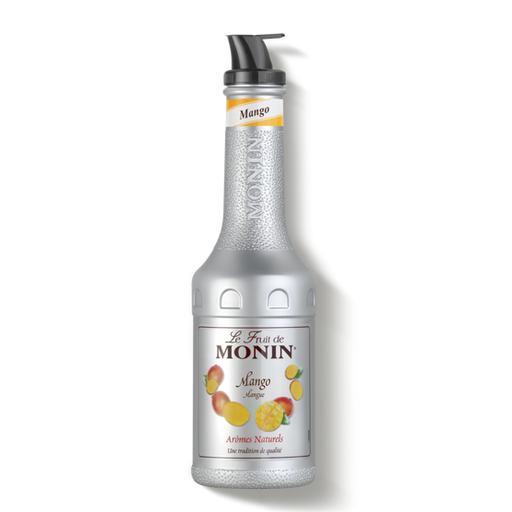
Why it suits this profile : This purée is designed for people who want to prepare cocktails, desserts, smoothies or mango drinks with a thicker, more concentrated texture.
It is used very differently from a ready-to-drink juice. The product information states an equivalent of 50% mango purée and recommends refrigerating the product after opening.
One-litre bottle, pectin used as a thickener and stated storage for up to three months after opening in the refrigerator.
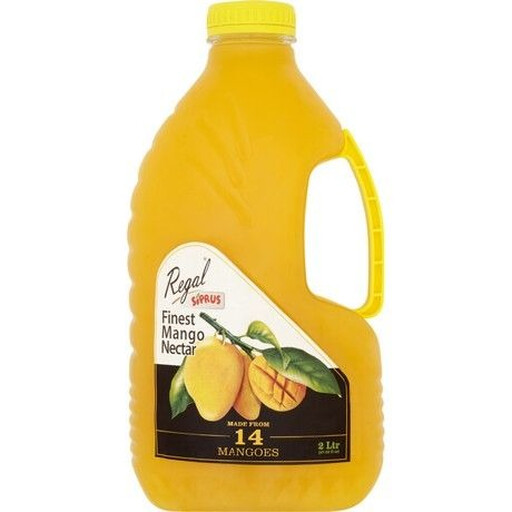
Why it suits this profile : The pack of six two-litre bottles meets the needs of families, parties and catering professionals who regularly serve fruit drinks.
The total pack contents are clearly stated: six two-litre bottles. This allows you to calculate the price per litre and check that you have enough storage space before ordering.
Mango pulp listed in the ingredients, 55 kcal and 12 g of sugars per 100 g according to the available information.
We have brought together a complete, real-time updated selection of products that meet these demanding criteria and European safety regulations.
Juice belongs to a regulated category, so its composition should be checked on the label. Nectar may contain fruit purée or juice, water and sugar. To compare two products, look at their legal designation, guava percentage and sugar content per 100 ml. Maaza Guava 1 L states, in particular, 17% guava purée.
It depends on the product. Some product listings recommend refrigerating it and consuming it within three days, such as Maaza Mango Drink 500 ml. Concentrates may have different storage periods. Always follow the instructions printed on the packaging first, close the bottle carefully and do not consume a product whose packaging is damaged.
For serving by the glass, one- to two-litre bottles reduce handling. For a buffet, meeting room or individual distribution, cans and cartons are easier to portion. Before confirming your basket, compare the total volume, storage space, best-before date and price per litre.