
Livraison le jour même ou le lendemain

Qualité garantie

Débloquez vos offres de bienvenue: Livraison GRATUITE | Jusqu'à -80 % | 30 jours d'essai gratuits à JoyPlus
Téléchargez l'application
The fruit juice aisle is a veritable jungle where mango juice comes in a myriad of versions. Faced with colourful packaging and promises of exotic flavours, it's easy to get lost. However, not all bottles are created equal, and some can be a real disappointment for both your taste buds and your wallet.
As the Head of Product Selection at Joybuy, my mission is to help you navigate the options. Let's cut through the marketing and focus on what really matters. Here are the two most common mistakes to avoid:
Navigating this overwhelming selection is simpler than it seems. You just need to know how to decode the labels.
Before you check out, take a few seconds to verify these three key points. It's your best guarantee for making the right choice.
The name on the label is regulated and is the most reliable indicator of the product's quality.
The order of ingredients is crucial: they are always listed in descending order by weight. If "sugar" (or one of its derivatives like glucose-fructose syrup) appears before "mango puree," you're holding little more than flavoured sugar water.
Also, pay attention to what's been added:
The packaging influences not only the price but also how you consume it.
To guide you, we've selected three standout products, each meeting a specific need and adhering to the criteria we've just discussed.
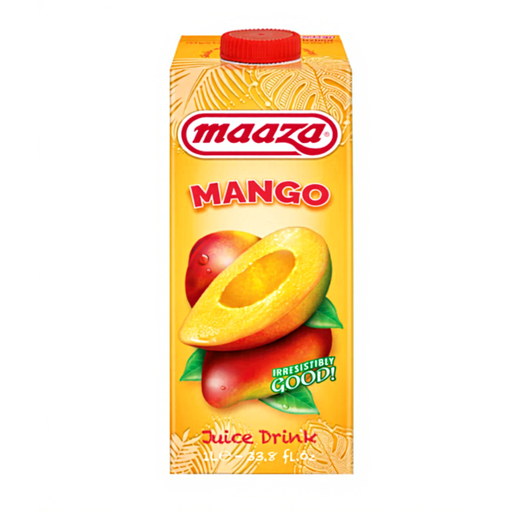
Why we chose it: Its 1L family size is perfect for meals. With its rich, sweet flavour, this mango nectar is a hit with both kids and adults, making it a reliable and convenient choice.
This mango nectar is transparent. It doesn't claim to be "pure juice" and clearly states its mango puree content (17%), offering an honest compromise between taste and price for a family drink.
A distinct mango taste and a smooth texture, all in an economical format ideal for everyday use.
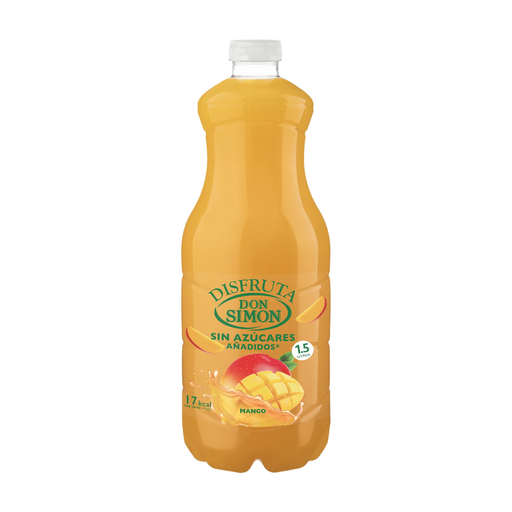
Why we chose it: This is the ideal option for enjoying the taste of mango guilt-free. Perfect for quenching your thirst while keeping an eye on your sugar and calorie intake.
It avoids the "fake diet" trap by being genuinely free of added sugars. The sweet taste is provided by a sweetener (sucralose), allowing it to have a very low calorie count (17 kcal per 100 ml) while maintaining a fruity flavour.
All the fruit flavour, with fewer calories. Its large 1.5L format also makes it a very economical choice for daily consumption.
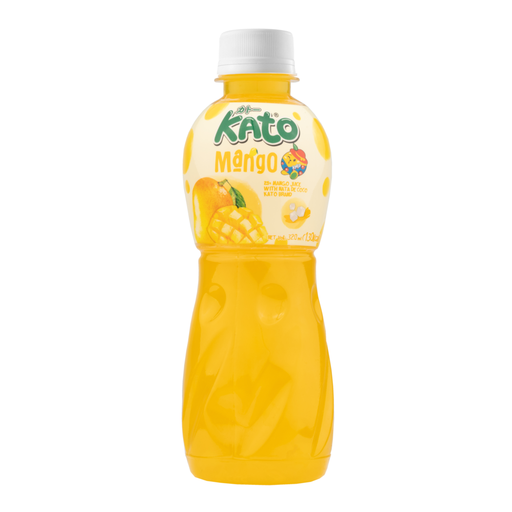
Why we chose it: For those who want more than just a drink. The addition of nata de coco (chewy coconut jelly cubes) provides a fun texture that turns every sip into a unique sensory experience.
This product doesn't pretend to be something it's not: it's labelled as a "mango drink" and highlights its star ingredient. Its composition (25% mango puree, 15% nata de coco) is clearly stated for full transparency.
A dual texture experience: the sweetness of mango and the surprising, chewy texture of the nata de coco pieces.
We've curated a complete selection of mango drinks that meet our quality criteria and current standards.
The key difference is the fruit content. A "pure juice" is made of 100% fruit. A "nectar" must contain at least 25% mango puree, supplemented with water and often sugar. Finally, a "mango drink" has no legal minimum; its fruit content can be minuscule. The takeaway? Always check the percentage on the packaging.
Yes and no. It is indeed free of added sugars from the manufacturer, which is a great start. However, it still contains the sugars naturally present in mango, which is already a sweet fruit. If the drink is very low in calories, it's likely that a sweetener (stevia, sucralose, etc.) has been used to maintain a pleasant taste.
Once opened, a bottle or carton of mango juice should be stored in the refrigerator. It's best to consume it within 3 to 4 days to preserve its flavour and prevent bacterial growth. The best practice is to follow the storage instructions on the packaging.