
Livraison le jour même ou le lendemain

Qualité garantie

Débloquez vos offres de bienvenue: Livraison GRATUITE | Jusqu'à -80 % | 30 jours d'essai gratuits à JoyPlus
Téléchargez l'application
Mango-based products suit a wide range of occasions: breakfast, afternoon snacks, dessert, Asian cooking, cocktails and professional catering. But a vibrant colour or the simple phrase “tropical flavour” is not enough to judge a product’s quality.
Certain pitfalls come up time and again when shopping:
Start by choosing the form that best suits your needs:
The ingredients list is more reliable than marketing claims. For a short recipe, check that mango or mango pulp appears among the first ingredients. If the product is intended for a child, also look at the colourings and texturising agents.
Allergens must be checked for each product individually:
The information on the packaging takes precedence, particularly where the recipe has changed. For imported products, also check that the mandatory information is provided in French, along with the identity of the responsible operator in the European Union.
A 700 ml bottle of mango syrup is best suited to regular preparation of cocktails, iced teas or alcohol-free drinks. For occasional consumption, a smaller format will generally be more practical. The same applies to mango sweets or bags of dried mango, which are better suited to eating on the go.
Before placing your order, check:
In food-service settings, large packs of mango nectar or pulp reduce the frequency of restocking, but require sufficient storage space. At home, several smaller formats may be easier to consume gradually.
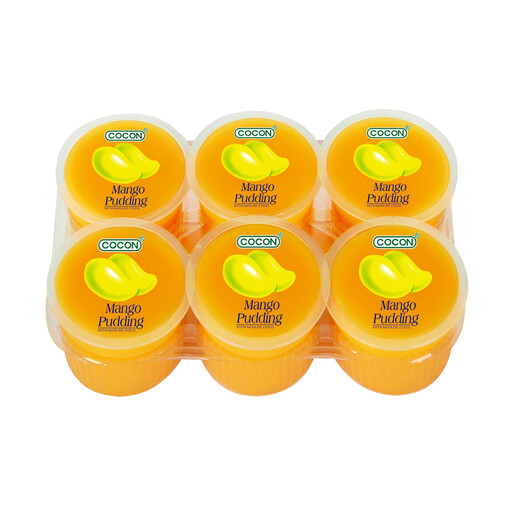
Why this product suits this profile : This mango dessert is ready to eat, sold in a 480 g pot and stored in the fridge. Its pudding texture and pieces of nata de coco offer an accessible introduction to Asian mango specialities.
The format and storage conditions are clearly stated. The product information also highlights the presence of milk among the allergens and a sugar content of 16 g per 100 g.
A ready-to-serve dessert with a texture enhanced by nata de coco, a 480 g pack size and refrigerated storage.
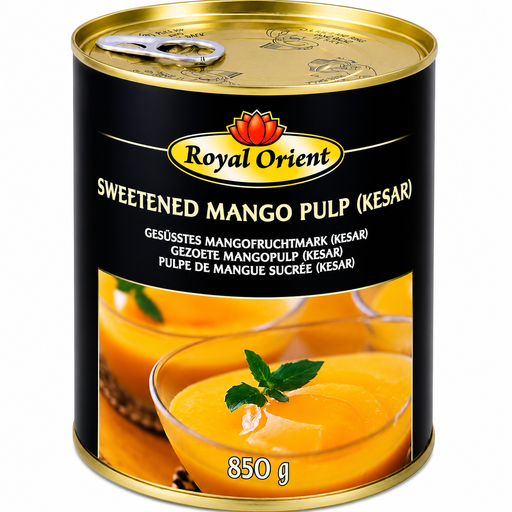
Why this product suits this profile : This mango pulp contains 95% Kesar fruit pulp. It is suitable for elaborate desserts, blended drinks and Indian recipes that require a consistent fruit base.
The fruit percentage is clearly stated. This makes it easier to compare the product with a less concentrated drink or a flavoured syrup.
95% Kesar mango pulp, an 850 g format and versatile use in smoothies, sauces and desserts.
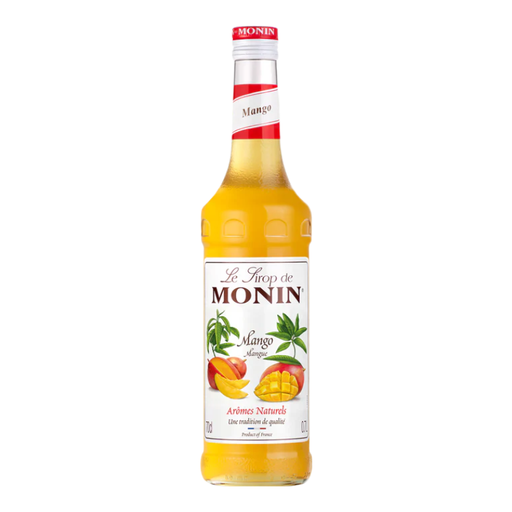
Why this product suits this profile : This mango syrup is designed for drinks, cocktails, alcohol-free creations and some desserts. The recommended ratio is one measure of syrup to eight measures of drink.
The concentration and dilution ratios are stated clearly. This allows you to control the quantity instead of adding syrup by guesswork.
A 700 ml bottle containing at least 10% mango juice according to the product information, suitable for mixology and fruity drinks.
We have put together a complete, real-time updated list of products that meet these strict selection criteria and European safety regulations.
For a family table, Twin Elephants Canned mango 425G can be stored at room temperature before opening and used in a fruit salad, baking or a smoothie. For a snack on the go, Be&Cheery Dried Mango 120g offers pieces of dried fruit ready to eat. However, it contains 72.6 g of sugar per 100 g and should be consumed quickly after opening.
Condiment enthusiasts can compare Lekker Bekkie mango chutney, made with green mangoes, Ashoka mild chutney or Patak’s Mango Pickle Medium 283 g, which contains 68% mango and has a spicier profile. Encona sauce, meanwhile, combines 23% mango purée with a chilli-based preparation.
Juice is made from fruit juice or concentrate, whereas nectar may contain pulp, water and sugar, depending on the recipe. To compare bottles objectively, read the ingredients list and check the mango percentage.
Follow the instructions for the specific product. Pulp supplied in a tin or pouch should generally be refrigerated after opening, in a suitable container, and consumed quickly. Frozen mango must remain at −18 °C or below and must never be refrozen after thawing.
It depends on their ingredients and texture. Gummy sweets may pose a choking risk, while some desserts contain milk or colourings listed on the label. Always check the allergens, warnings and portion size before serving them.