
Livraison le jour même ou le lendemain

Qualité garantie

Débloquez vos offres de bienvenue: Livraison GRATUITE | Jusqu'à -80 % | 30 jours d'essai gratuits à JoyPlus
Téléchargez l'application
Enjoying a rich, creamy, coffee-shop-quality espresso without leaving the comfort of your kitchen is a dream for many coffee lovers. Yet, the world of espresso machines often resembles a jungle of technical jargon and marketing promises. Between bar pressure, types of percolators, and extra features, it's easy to make a mistake you'll regret.
As a product expert at Joybuy, my mission is to help you demystify the process. Together, we'll sift through the essential criteria and avoid the most common pitfalls. The goal? To ensure your next home-brewed coffee is a complete success.
Marketing is often designed to impress, but some claims hide less glamorous realities. Here are three common mistakes to avoid.
15, 19, or even 20 bars: many machines proudly display these numbers on their packaging. This claim sounds like a guarantee of quality, but the reality is much more nuanced. For optimal espresso extraction, the required pressure at the ground coffee level is 9 bars. Higher numbers indicate the pump's maximum capacity, not the pressure actually applied to the coffee, which must be constant. In fact, too much pressure can "burn" the grounds and give your drink a bitter taste. What really matters is the stability of the pressure and temperature.
The pod coffee maker is appealing due to its simplicity and often tempting purchase price. However, you should calculate the cost per cup. Over the long term, the capsule budget can quickly add up and far exceed that of coffee beans. And even though recycling programs exist, the environmental impact of single-use capsules remains a major concern for many consumers.
You can own the most sophisticated espresso machine, but if you feed it with pre-ground supermarket coffee, the in-cup result will inevitably be disappointing. The freshness of the grind is the crucial element. A good grinder, whether built-in or separate, grinds the beans on demand, just before extraction, to release maximum flavour. It's an essential link, too often overlooked by newcomers.
To make the right choice, focus on these three pillars that will guarantee the quality of your coffee experience.
The water temperature must be stable throughout the extraction (usually between 90 and 95°C). Two main technologies exist:
The experience doesn't end with the machine itself. For cappuccino or latte lovers, a good steam wand or a milk frother is essential. Likewise, a stainless steel specialty latte art milk jug with a precise pouring spout is the indispensable ally for trying your hand at beautiful designs. Finally, don't neglect the vessel: a double-walled cup made of borosilicate glass will keep your drink hot longer, without burning your fingers.
To move from theory to practice, here are a few products that suit different profiles, selected based on these objective criteria.
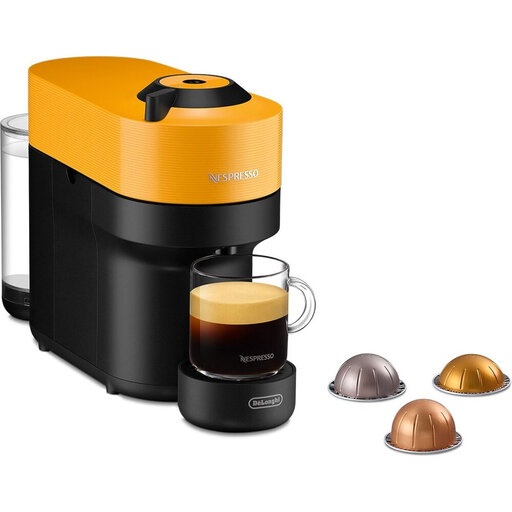
Why we love it: Perfect for those who want great coffee with zero fuss. Ideal for busy mornings or simple office use, it adapts to any preference with its different cup sizes.
This model doesn't advertise bar pressure, but rather its Centrifusion extraction technology, which adapts the parameters to each capsule via a barcode. Simplicity is fully embraced here, and the cost of capsules is transparent.
Ultra-simple to use (one button); 5 available cup sizes; Wi-Fi/Bluetooth connectivity for automatic updates.

Why we love it: For those who want the unparalleled freshness of freshly ground beans combined with the simplicity of a fully automatic machine. It's the perfect balance of quality, convenience, and control.
It directly integrates a conical burr grinder (13 settings), solving the grinding issue. The focus is on freshness, a far more decisive factor than simple pump pressure.
Bean-to-cup machine with built-in grinder; customisable aroma and temperature; steam wand for milk-based drinks.
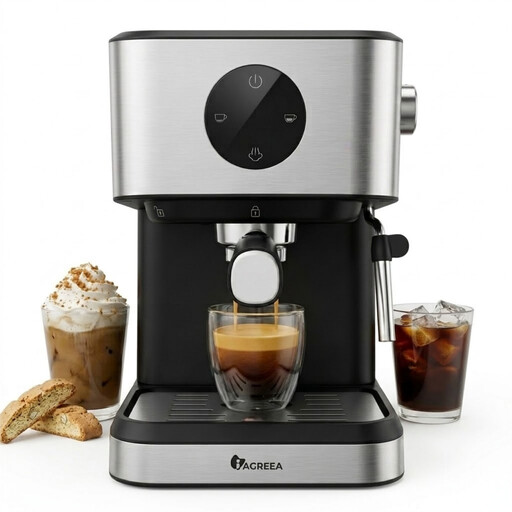
Why we love it: A robust manual (or semi-automatic) espresso machine for those who want to learn the barista ritual. It offers the control needed to perfect your extraction and practice latte art.
Although it advertises 20 bars, its real strengths lie elsewhere: manual control, a high-performance steam wand, and its stainless steel design. It gives the user the tools to learn, rather than automating everything.
Manual extraction control; steam wand for quality milk foam; durable stainless steel construction.
Once you've chosen your machine, don't forget that the tasting experience also depends on the accessories. A double-walled cup preserves the temperature and enhances the ritual, while a good specialty latte art milk jug can make a real difference for your milk-based drinks.
To perfect your coffee corner, discover our selection of accessories that combine quality and durability.
It all depends on the build quality, frequency of use, and, most importantly, maintenance. A well-maintained machine (regular descaling, cleaning the brew group) can last from 5 to 10 years, and even longer for premium models. Also, remember to check the availability of spare parts.
As we've discussed, this is primarily a marketing claim. The ideal pressure at the coffee level is 9 bars. A 15-bar pump simply ensures that the machine can reach and maintain these 9 bars stably, even with a very fine and well-tamped grind. Don't be impressed by this number alone.
A bean-to-cup machine with a built-in grinder is the most practical and space-saving solution, ideal for daily use. A separate grinder offers more flexibility (choice of burrs, brand, etc.) and will appeal to purists seeking absolute control. It's a matter of balancing convenience, budget, and your desired level of expertise.