What should you check before buying?
Start by identifying the specific dietary exclusion, then check the recipe and how each product will be presented in the box.
| What matters |
What to check |
Who is it for? |
| Allergen to avoid |
Identify the allergen in question; check the highlighted ingredients and any precautionary “may contain” statements on each pack. |
When sharing a box, I want to be able to rule out a product that isn’t suitable for a colleague’s allergy, even if it looks simple. Around 36% of consumers put allergen checks first. |
| Gluten avoidance |
Look for a “gluten-free” claim on the finished product, especially for recipes containing cereals; check for other allergens separately. |
If I need to avoid gluten, the fruit in a mix isn’t enough to tell me whether the whole recipe is suitable. This is the top priority for around 29% of consumers. |
| Ingredients and nutritional values |
Compare the ingredients list, then the sugar and salt per 100 g; check specifically for sulphites if you need to avoid them. |
When choosing between a short ingredients list and a soft fruit prepared differently, I need to read the actual ingredients rather than rely on the product category. Around 21% of consumers prioritise this check. |
| Sharing products |
Keep the packaging within easy reach and separate products if people have different dietary exclusions. |
When several people are helping themselves, I want everyone to be able to recognise each product and find its label. This ease of identification comes first for around 14% of consumers. |
Joybuy products for an office snack box
These red date and strawberry snack products are worth considering for an office snack box. If you’re avoiding a particular food, make your decision based on the finished product’s label, not its category alone.
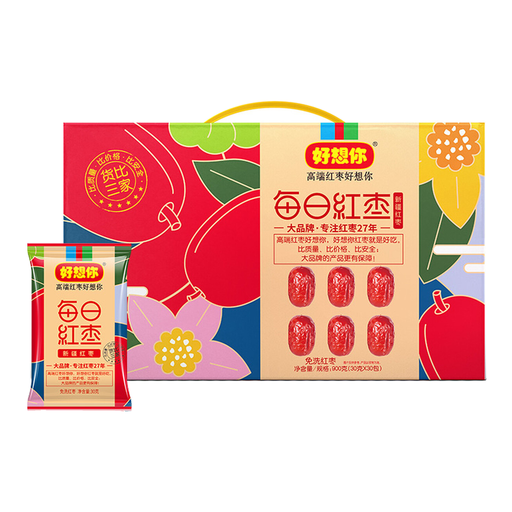 Image unavailable
Haoxiangni ready-to-eat red dates, 900 g (30 × 30 g)
The 30 individual 30 g packs make it easy to keep portions separate in a shared box. The red dates are listed as containing stones, so let anyone helping themselves know. Before sharing them with someone who has a dietary exclusion, check the label for the relevant allergen, any precautionary “may contain” statements and, if needed, a “gluten-free” claim.
View on Joybuy
 Image unavailable
Haoxiangni Grade 2 pitted red dates, 500 g
This 500 g pack is a good option if you can keep its label close by. Individual portions aren’t specified, so if several colleagues are helping themselves, keep the product identifiable and check the pack for any dietary exclusions that apply to them.
View on Joybuy
 Image unavailable
Haoxiangni Grade 2 Fresh-Locked Original Flavour, pitted red dates, 280 g
This 280 g pack is another pitted red date option for an office snack box. If you’re sharing the contents, leave the label where people can check it rather than assuming that an allergen statement on a product page covers traces or confirms that the product is “gluten-free”.
View on Joybuy
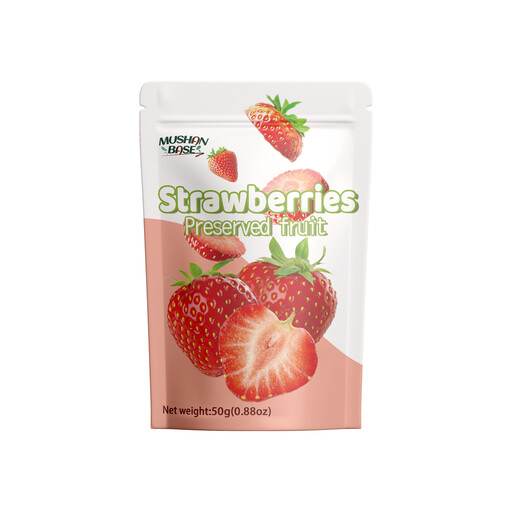 Image unavailable
MUSHAN BASE Bai Cao Wei strawberry snack, 50 g
This 50 g pack is an option for anyone considering a strawberry snack instead of red dates. The ingredients listed for this product include added sugar: check that it suits your preferences, then look at the packaging for allergens, precautionary “may contain” statements and any “gluten-free” claim you need.
View on Joybuy
Frequently asked questions
Is dried fruit labelled “gluten-free” free from allergens?
No. “Gluten-free” relates to gluten; on its own, it tells you nothing about peanuts, tree nuts, sesame or sulphites. If you need to avoid a particular ingredient, check the finished product’s ingredients and any precautionary “may contain” statements.
Can you label a whole snack box “allergen-free”?
Avoid making a blanket claim like this. Find out what the people using the box need to avoid and check each product separately. The former Afssa, now Anses, has pointed out that traces of peanuts may be present even when peanuts haven’t been used as an ingredient.
Why check for sulphites in soft apricots?
Because ingredients vary from one product to another. The Carrefour France product pages mentioned for two soft apricot products list, respectively, organic apricots with water and a recipe containing sulphur dioxide. If you need to avoid sulphites, check the pack you buy.
How do you compare the sugar and salt in two products?
Compare the nutritional values per 100 g, the common basis explained by the DGCCRF. Check the ingredients too, so you can distinguish sugars naturally present in fruit from added sweeteners.
Should you keep individual packs separate in a shared box?
If colleagues have different dietary exclusions, separate, clearly labelled portions make it easier to check the label for each product. In that case, avoid mixing products with different ingredients or precautionary “may contain” statements.


