What should you look for first?
First, identify the ingredient you need to avoid. Then compare the ingredients and pack sizes of products that meet your needs.
| Criteria |
What to check |
Who is it for? |
| Specific allergen |
The ingredients list, highlighted allergens and manufacturing information on the pack. |
If I need to avoid a specific ingredient, the words ‘dried fruit’ aren’t enough to help me choose between dates and a mix containing nuts. Around 33% of consumers put allergen checks first. |
| Gluten-free |
The ‘gluten-free’ label, followed by the other ingredients and allergens in the recipe. |
To choose a snack that meets my gluten-free needs, I look for an explicit label rather than assuming it also covers nuts. This is the top priority for around 27% of consumers. |
| Pack size |
The net weight and number of packs, when comparing products of the same type. |
If several recipes suit me, I want to know whether individual portions or one larger pack is better for how I’ll use it. Pack size is the main priority for around 20% of consumers. |
| Ingredients |
Added ingredients and nutritional information per 100 g, particularly sugars, salt and fat. |
If I’m looking for a particular recipe, I check whether a product is dried fruit or a roasted or seasoned mix before comparing the labels. Around 20% of consumers prioritise the ingredients first. |
Dates and jujubes available on Joybuy
These two products are dried fruit in different pack sizes. If you need to avoid a specific allergen, check the label and manufacturing information on the relevant pack.
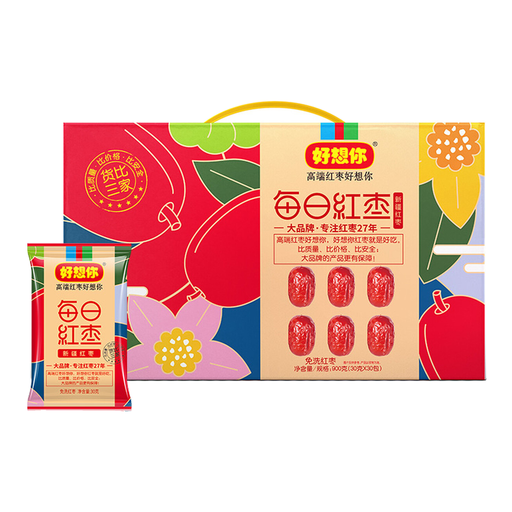 Image unavailable
Haoxiangni Ready-to-Eat Red Dates 900 g (30 × 30 g)
This pack may suit you if you prefer individual portions: it contains 30 sachets of 30 g. Check the pack for ingredients, allergens and manufacturing information relevant to your needs.
View on Joybuy
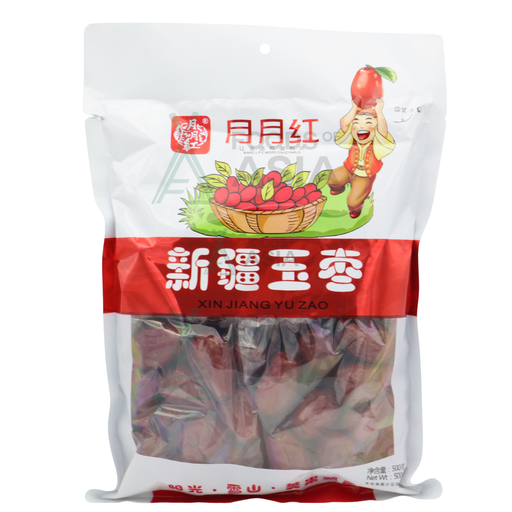 Image unavailable
YYH Dried Xinjiang Jujube Dates 500 g
This 500 g pack may suit you if you prefer one larger pack to individual sachets. Check the label for ingredients, allergens and any manufacturing precautions relevant to your choice.
View on Joybuy
Frequently asked questions
How can I spot allergens on a pack of dried fruit?
Read the ingredients list on the specific pack. For pre-packed foods, allergens must be highlighted in the list, as the DGCCRF explains. Another product in the same category may have different ingredients.
Does ‘gluten-free’ also mean ‘nut-free’?
No. The ‘gluten-free’ label relates to gluten; it doesn’t mean a product is free from hazelnuts, almonds, peanuts or other ingredients. Check the product’s ingredients separately.
Is a nut and raisin mix suitable if I avoid nuts?
Not if it contains the type of nut you need to avoid. A mix recipe shown by Carrefour contains cashews and almonds, as well as peanuts. Always check the ingredients list for the specific product you’re choosing.
How can I compare the ingredients in two packs?
First, check that you’re comparing like with like, then read the ingredients and nutritional information per 100 g. The DGCCRF says that presenting nutrition information per 100 g makes it easier to compare products.


