What should you check first?
For your morning coffee, start with what matters most to you, then compare products on the same basis. The DGCCRF states that the nutritional declaration for pre-packed foods is given per 100 g or 100 ml, so the packet weight is no substitute for this comparison.
| Criteria |
What to check |
Who it matters to |
| Energy per 100 g |
Compare the ‘energy’ line for products intended for the same use, using the same unit. |
If I want a small snack with my coffee, I’d rather know the product’s energy content before deciding how much to have. Around 36% of consumers put this comparison first. |
| Ingredients |
Read the ingredients to check for added sugar, oil, salt and coatings in particular; also check any allergen warnings. |
A fruit mix might not suit me if its recipe contains additions I’d rather avoid. This is the main consideration for around 29% of consumers. |
| Serving size |
Decide how much to put in a small bowl; don’t treat the whole packet as one serving. |
When I snack with my coffee, I want to know how much I’ve served myself rather than eating straight from the packet. This is the first priority for around 21% of consumers. |
| Product type and pack size |
Choose between dried fruit, nuts and a mix, then check the specific product and packet weight. |
I’m looking for a product that’s easy to find at my usual retailer, but I still need to check its label before choosing it. Around 14% of consumers prioritise this practical consideration. |
Dried fruit to explore on Joybuy
These products include jujubes, raisins and a strawberry snack in a packet. To choose how much to serve with your coffee, check the recipe and nutritional information rather than treating the packet weight as a serving.
 Image unavailable
Haoxiangni Grade 2 pitted red dates, 500 g
If you choose jujubes to enjoy with your coffee, take the amount you want from this 500 g packet. Check the sugars listed and the ingredients, bearing in mind that no added sugar doesn’t mean sugar-free.
View on Joybuy
 Image unavailable
Haoxiangni Grade 2 Fresh-Locked Original Flavour pitted jujubes, 280 g
This 280 g packet is another jujube option to compare for your morning snack. Decide how much to serve and check the per-100 g values before comparing it with another dried fruit.
View on Joybuy
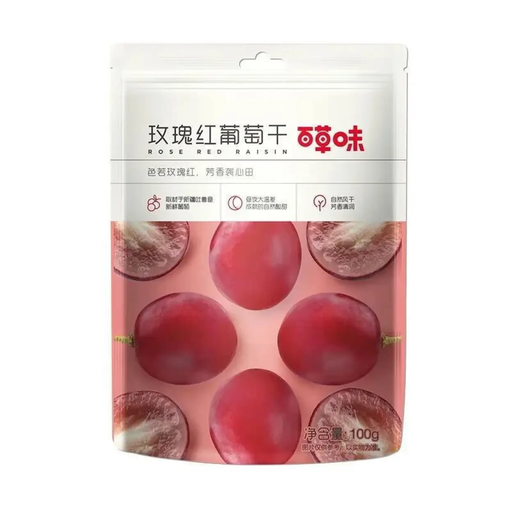 Image unavailable
Be&Cheery Rose red raisins, 100 g
If you’d prefer raisins to a mix, this packet weighs 100 g. That doesn’t mean you need to have the whole packet with your coffee: serve yourself a separate portion and check the product ingredients.
View on Joybuy
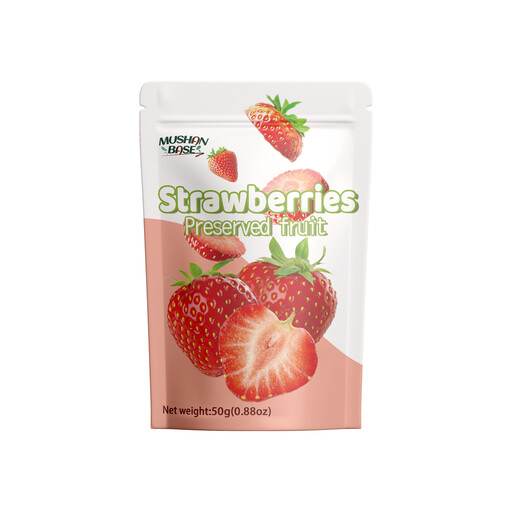 Image unavailable
MUSHAN BASE Bai Cao Wei Strawberry Fruit Snacks, 50 g
If you’re considering a strawberry flavour with your morning coffee, check the recipe first: sugar is among the ingredients listed for this product. Don’t automatically assume the 50 g packet is one serving.
View on Joybuy
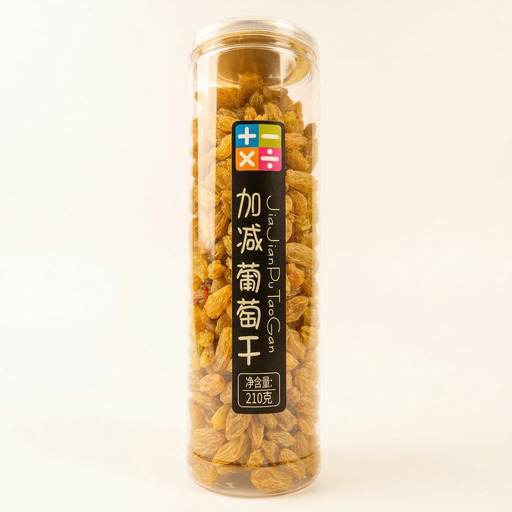 Image unavailable
Jia Jian Cheng Chu raisins, 210 g
To choose between these raisins and another product to have with your coffee, compare the per-100 g values and ingredients. The packet contains 210 g; serve the amount you want before you start snacking.
View on Joybuy
Frequently asked questions
How do I compare two dried fruits for a small snack?
Compare their energy content per 100 g using the same unit, then choose how much to serve. The DGCCRF gives 100 g as the basis for nutritional declarations on pre-packed foods; claims such as ‘natural’ or ‘energy’ are no substitute.
Is a no-added-salt mix necessarily low in calories?
No: the TOKAPI no-added-salt mix featured by E.Leclerc contains 510 kcal per 100 g. Treat salt and energy as two separate pieces of information, then check how much you plan to eat.
What should I check in the ingredients list?
Look for added ingredients that matter to you, particularly sugar, oils, salt and coatings, as well as any allergen warnings. The DGCCRF states that allergens must be clearly emphasised on pre-packed foods; check the label on the product you buy.
How should I store a mix after opening?
Follow the instructions on the packaging, as they apply to the specific product you’ve bought. The Auchan FRUTSY Mix & Go listing says to store it in a cool, dry place and consume it soon after opening; don’t automatically apply those instructions to another packet.


