Navigating the rusk and crispbread aisle can be overwhelming. Between traditional rusks, Swedish crispbreads, crunchy crackers, and wholemeal or no-added-sugar versions, the selection is vast. So, how do you find the perfect one for your breakfast or next snack?
This guide is here to help you make sense of it all. We've analysed and compared the leading products on the market to help you make the right choice based on your taste and nutritional needs.
Buyer's Guide: Criteria for Choosing the Best Rusks & Crispbreads
Before we get to our selection, here are the essential criteria for finding the perfect crispbread.
1. Analyse the Ingredients: Fibre, Sugar, and Salt
The nutrition label is your best friend. Three elements deserve special attention:
- Fibre: High-fibre rusks are often made with wholemeal flours (wheat, rye). They help you feel full longer and aid digestion. A product is considered "high in fibre" if it contains at least 6g per 100g.
- Sugar: Some recipes include sugar for a sweeter taste. If you're looking for no-added-sugar rusks, carefully check the ingredients list and the nutrition facts. Be sure to distinguish between naturally occurring sugars in the grains and added sugars.
- Salt: For those on a special diet, salt-free or reduced-salt rusks are an excellent alternative. The salt content is always listed per 100g of the product.
2. Classic Rusk, Swedish Crispbread, or Cracker-Style Crispbread?
These terms describe products with very distinct textures and flavours:
- The traditional rusk is a twice-baked bread, which gives it a unique, airy, and crumbly texture.
- Swedish crispbread, like Krisprolls, is denser, more rustic, and often crunchier. It's typically made from wheat or a blend of cereals.
- Cracker-style crispbread, such as Wasa, is flat, thin, and very crispy, often made with rye. Its sturdy texture makes it a perfect base for all kinds of toppings.
3. Wholemeal or White Flour?
The type of flour affects both the nutritional profile and the taste. Wholemeal rusks retain the outer layer of the wheat grain (the bran). They are therefore richer in fibre, vitamins, and minerals. They also have a stronger flavour and a denser texture than rusks made with white (refined) flour.
Recommended Rusks and Crispbreads
Here is our selection of products that stand out from the crowd, each meeting specific needs.
KRISPROLLS Golden 425g
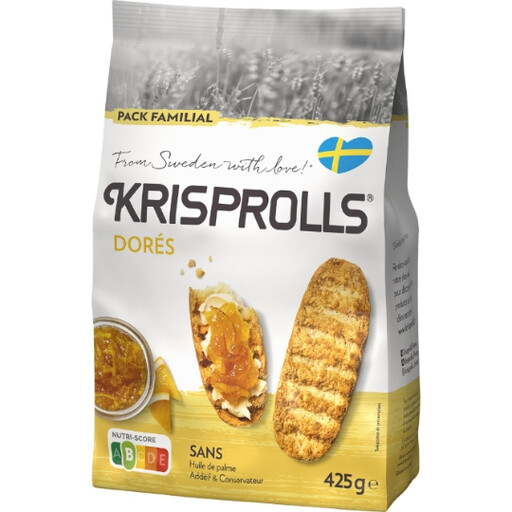
- What sets it apart: This golden Swedish crispbread offers an unmistakable crunch and a slightly sweet flavour from barley malt. Its authentic recipe makes it a classic favourite.
- Benefits:
- Light and crispy texture made with 90% wheat flour.
- No-added-sugar recipe for a 100% natural sweetness.
- Nutri-Score B, a balanced rating for a delicious treat.
- Who is it for?: Ideal for families and anyone looking for a flavourful and versatile crispbread that's just as good plain as it is with sweet or savoury toppings.
KRISPROLLS Wholemeal Swedish Crispbreads No Added Sugar, 425g Pack
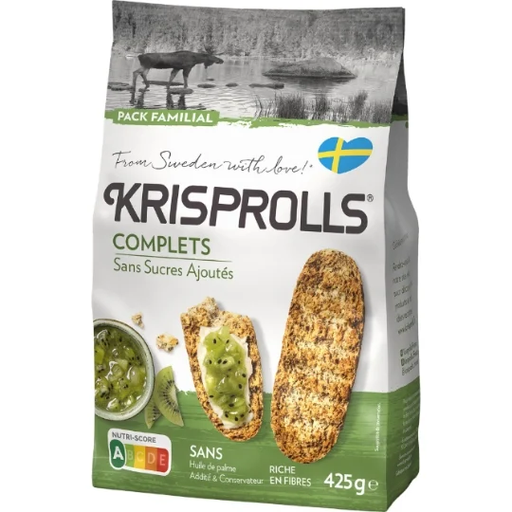
- What sets it apart: This wholemeal version of Krisprolls focuses on nutrition. With 62% whole wheat flour, it's an excellent source of fibre.
- Benefits:
- High in fibre (8.3g per 100g) to keep you feeling full longer.
- No added sugar (only 1.1g of naturally occurring sugars per 100g).
- Nutri-Score A, a mark of quality for a balanced diet.
- Who is it for?: Perfect for those who are health-conscious and looking for wholemeal rusks with no added sugar for a healthy and filling breakfast.
WASA Authentic Crispbread 275 g
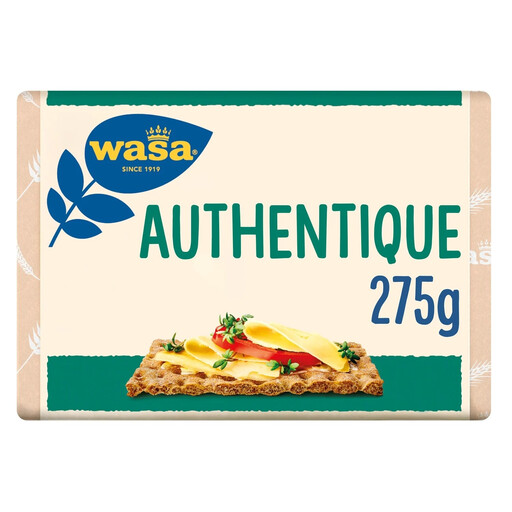
- What sets it apart: The recipe for this crispbread has remained almost unchanged since 1919. Made with just four ingredients, it celebrates the authentic flavour of rye.
- Benefits:
- Very high in fibre (19g per 100g) thanks to wholemeal rye flour.
- Minimalist ingredient list: wholemeal rye flour, rye flour, yeast, and salt.
- Very crunchy and sturdy texture, perfect for the most generous toppings.
- Who is it for?: For purists and fans of rustic flavours, as well as anyone looking to boost their fibre intake.
LU Heudebert Rusks No Added Salt 300g
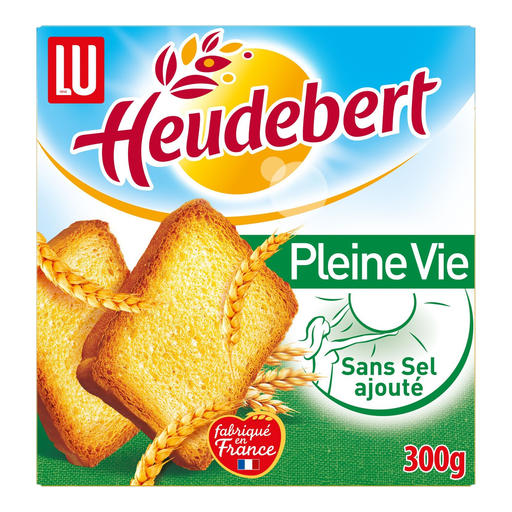
- What sets it apart: These rusks meet a specific need: reducing salt intake. They maintain the light and airy texture of classic Heudebert rusks, just without the salt.
- Benefits:
- Almost zero salt content (0.01g per 100g).
- Classic rusk texture: crumbly and light.
- Allows you to have complete control over the seasoning of your toppings.
- Who is it for?: The top choice for people on a low-sodium diet or those who simply prefer to control their salt consumption.
Looking for Other Options?
Our selection is just a taste. To explore other varieties, new flavours, or different formats, feel free to browse our full range.
? Discover the entire Biscuits & Crispbread category
Frequently Asked Questions (FAQ)
1. What's the difference between a rusk and a Swedish crispbread? The main difference lies in how they're made and their texture. A rusk is made from sliced bread that is baked once, then sliced and baked again at a low temperature, which makes it very light and crumbly. Swedish crispbread (like Krisprolls) is a small roll that is cut in half and then toasted; its texture is therefore denser, harder, and crunchier.
2. Are wholemeal rusks a healthier option? Yes, without a doubt. Wholemeal rusks are made with unrefined flour, which retains the bran and germ of the grain. They are therefore naturally richer in fibre, vitamins (especially B vitamins), and minerals than classic rusks. For a healthy diet, they are an excellent choice due to their superior nutritional value and satiating effect.
3. How should I store rusks to keep them crispy? Moisture is the number one enemy of crunchiness. To preserve the texture of your rusks, Swedish crispbreads, or crackers, keep them in their original, well-sealed packaging or, even better, in an airtight container. Place the container in a dry place, away from light and heat.


