
Livraison le jour même ou le lendemain

Qualité garantie

Débloquez vos offres de bienvenue: Livraison GRATUITE | Jusqu'à -80 % | 30 jours d'essai gratuits à JoyPlus
Téléchargez l'application
Choosing a flower pot? It seems like a simple task, but it often ends in disappointment. An unsuitable container can not only compromise the health of your plants but also degrade at an alarming rate, forcing you to replace it much sooner than expected. Before you invest in beautifying your home or garden, it's best to know the pitfalls to avoid.
This guide breaks down the key points and technical criteria to check to make the right choice, whether you're looking for a sturdy outdoor planter or a designer indoor pot.
Marketing can often be misleading. Many pots promise the world in terms of durability but hide flaws that only reveal themselves with use. Here are the most common pitfalls.
To avoid being misled again, focus on a few technical parameters that are true hallmarks of quality and longevity.
The material isn't just about looks; it determines your pot's durability, weight, and maintenance.
A good water management system is non-negotiable.
Rather than an exhaustive list, here are options that meet specific needs, sidestepping the pitfalls mentioned above.
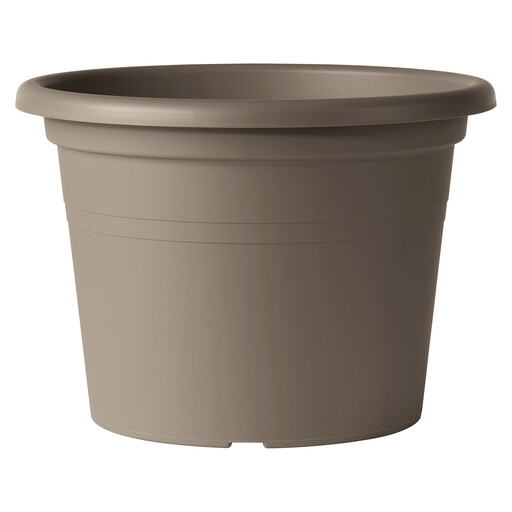
Why we chose it: This is the perfect container for a shrub or a floral arrangement on a terrace, especially if you're looking for a solution that is both durable and responsible.
This pot is made from recycled materials specifically designed for frost and UV resistance. Its robust construction prevents cracking and fading, unlike low-quality plastics. The drainage hole ensures efficient water evacuation.
Four-season durability and made from recycled and recyclable materials.
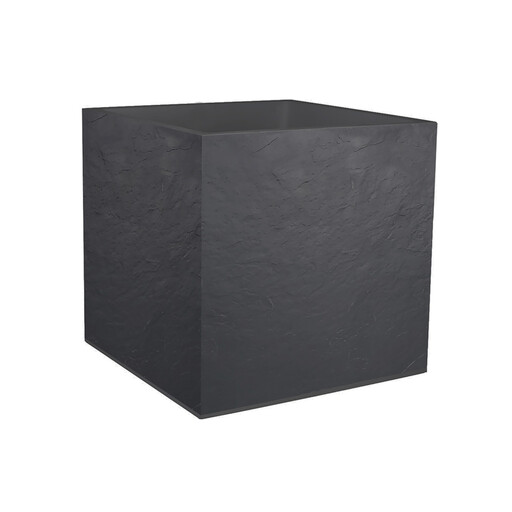
Why we chose it: Perfect for setting up a **balcony planter** or a small terrace. Its modular design and advanced features make it a practical and aesthetic solution for tight spaces.
Its double wall insulates roots from thermal shock (both hot and cold), a key factor for the survival of outdoor potted plants. The integrated water retention zone prevents both drying out and excess moisture, thus avoiding the classic trap of poor drainage.
Root insulation and optimized water management thanks to its double-wall design and water reservoir.
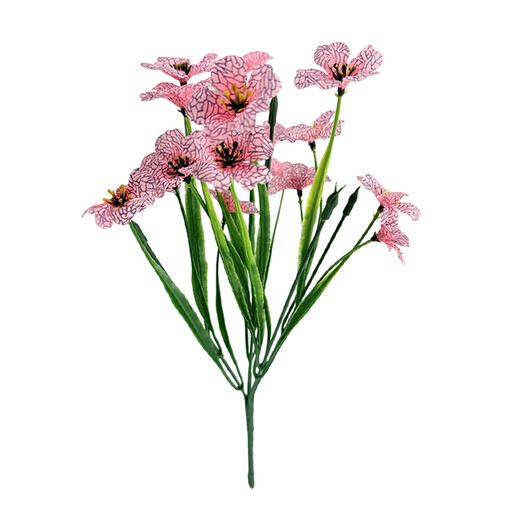
Why we chose it: For those who want the beauty of flowers without any of the hassle. These artificial outdoor plants are an instant decorative solution for a balcony, windowsill, or a dark corner of the garden.
By definition, it bypasses all pitfalls related to live plant care. Most importantly, its plastic is treated to be UV-resistant, which prevents it from fading in the sun after just one season—the major flaw of low-end artificial flowers.
A year-round floral look with zero maintenance, and good colour retention outdoors.
We've compiled a complete list of products that meet our strict selection criteria.
Rely on the technical specifications. A reputable manufacturer will explicitly mention frost resistance (sometimes with a temperature range) and the material used (e.g., high-quality polypropylene, fiberclay). Double-walled pots or those made from specially formulated recycled materials for outdoor use are generally safer bets than thin, rigid plastics or porous ceramics.
No, and this is a crucial point. This system is very effective for plants that appreciate consistent moisture, such as ferns or many tropical indoor plants. Conversely, it is not recommended for plants that require their soil to dry out completely between waterings, such as succulents, cacti, or Mediterranean plants (lavender, rosemary).
It's all about the drainage hole.