
Livraison le jour même ou le lendemain

Qualité garantie

Débloquez vos offres de bienvenue: Livraison GRATUITE | Jusqu'à -80 % | 30 jours d'essai gratuits à JoyPlus
Téléchargez l'application
Finding the ideal yoga mat can be a daunting task. Between marketing promises and a jungle of materials, it's easy to end up with a mat that slips, wears out quickly, or simply isn't suited for your practice. This is a familiar scenario for yogis who sweat a lot or enjoy dynamic styles like Vinyasa or Hot Yoga.
As the head of product selection at Joybuy, my mission is to help you see things more clearly. Let's review the mistakes to avoid and the essential criteria for choosing a cork yoga mat that will be a long-lasting companion for your practice.
Before we dive into the details, let's look at the two most common mistakes that lead directly to buyer's remorse.
The "All-Purpose" Fitness Mat Trap: Many thick NBR foam mats are marketed as being suitable for yoga. While they offer good cushioning for floor exercises, their thickness (often over 1 cm) and spongy texture seriously compromise your balance in standing poses like Tree Pose (Vrksasana) or Warrior III (Virabhadrasana III). In yoga, stability is just as crucial as comfort.
The Promise of Grip That Vanishes: A standard PVC mat might seem grippy at first. But with the first drops of sweat, it often turns into a veritable ice rink, making your practice uncomfortable, or even dangerous. This is a deal-breaker for anyone looking for a yoga mat for sweat.
To make an informed choice, you just need to focus on a few key points that determine your mat's performance and durability.
The choice of material is decisive. It determines the grip, durability, and ecological impact of your mat.
The thickness of a yoga mat directly influences how you feel. There is no single ideal thickness, but rather one that is adapted to your practice and body type.
To help you see more clearly, here's how these criteria translate in practice with a few models tailored to specific needs.

Why we recommend it: This mat is the perfect answer for those who sweat. Its natural cork surface offers grip that increases with moisture, while its TPE base literally glues it to the floor. The top choice for a stable and safe practice.
It directly tackles the problem of slipping on wet surfaces, the critical flaw of PVC mats. Its dual-material design is engineered for yoga, not general fitness.
Sweat-activated grip and a 5 mm thickness for an excellent balance of comfort and stability. It's an eco-friendly yoga mat thanks to its renewable cork.
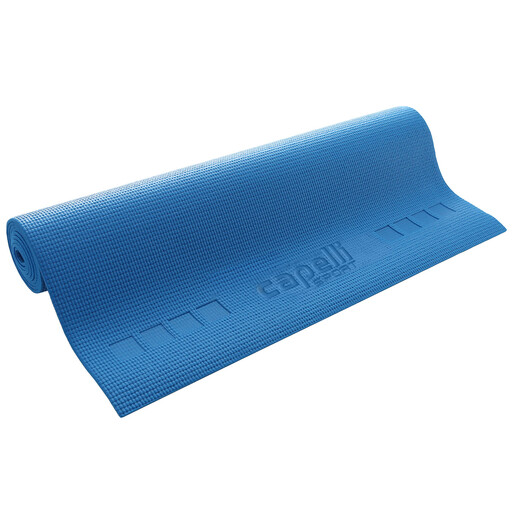
Why we recommend it: For those just starting out or with a low-intensity, occasional practice, this 4 mm PVC mat is a functional, budget-friendly solution. Its thickness is still ideal for feeling the floor and working on stability.
It avoids the pitfall of an overly thick fitness mat. At 4 mm, it stays within the ideal range for yoga, promoting balance rather than excessive, destabilizing cushioning.
Its unbeatable price makes it an excellent first purchase. Lightweight and easy to carry, it's perfect for studio classes. It's suitable for gentle practices with little to no sweat.
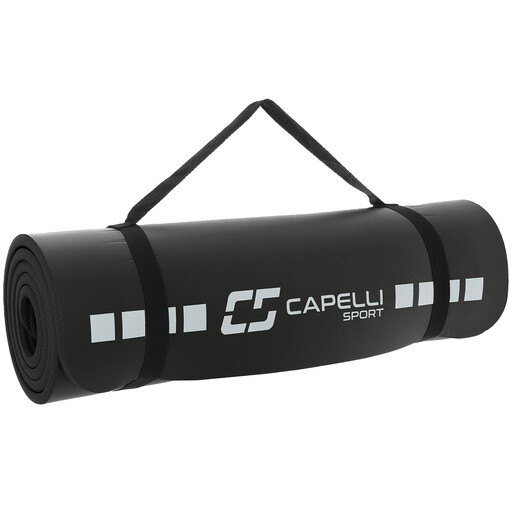
Why we recommend it: If your routine consists mainly of floor exercises, core work, stretching, or very gentle yoga (Restorative), then cushioning is your priority. This thick mat effectively protects your joints on hard floors.
By choosing it for what it is: a fitness mat. By accepting that it's not made for the balancing postures of dynamic yoga, you're making a smart, perfectly targeted purchase.
Maximum cushioning of 1.2 cm for supreme comfort for your knees, back, and elbows during floor exercises. Comes with a handy carrying strap.
We've curated a complete selection of mats that meet our strictest quality standards.
1. How do I clean a cork yoga mat? Since cork is naturally antimicrobial, it limits the growth of bacteria and odors. For regular maintenance, a simple wipe with a damp cloth after your session is sufficient. For a deeper clean, use a little mild soap diluted in water, rinse with a clean cloth, and let it air dry away from direct sunlight.
2. Is a cork mat really that non-slip? Absolutely, and that's its greatest strength. Unlike other materials that become slippery, the structure of cork allows it to increase its grip when it comes into contact with moisture. This makes it an excellent non-slip yoga mat, especially recommended for those who sweat a lot or practice in a heated room.
3. What is the lifespan of a cork and TPE mat? A mat combining cork and TPE is built to last. With proper care (don't fold it, clean it regularly, and store it out of the sun), it can be with you for many years. Its resistance to wear and tear is far superior to that of entry-level PVC mats, which tend to crumble or tear quickly.