
Livraison le jour même ou le lendemain

Qualité garantie

Débloquez vos offres de bienvenue: Livraison GRATUITE | Jusqu'à -80 % | 30 jours d'essai gratuits à JoyPlus
Téléchargez l'application
Coconut milk brings a silky texture to curries, soups, sauces, desserts and drinks. But the products available in France can vary significantly depending on the coconut concentration, fat content, packaging and whether additives are present.
When shopping, three common mistakes keep cropping up:
The fat content directly affects the density and mouthfeel. For making a coconut milk for curry, a Thai sauce or a hearty soup, products with around 17 to 19% fat generally deliver a richer, more coating texture.
Products labelled as light coconut milk often contain between 6 and 9% fat. They can lighten a soup, smoothie or sauce, but will give a less creamy result. Also look at the proportion of coconut extract: it usefully complements the information provided by the fat content.
Here are some guidelines:
An organic coconut milk can have a very short ingredients list, perhaps limited to coconut extract and water. For example, Valcom Organic Coconut Milk 400 ml states 68% coconut extract, water and guar gum.
Other products contain thickeners, stabilisers or emulsifiers designed to maintain a consistent texture. This isn't necessarily a bad thing, but it's worth checking if you're after a particularly simple composition.
Whether you follow a vegan, lactose-free or gluten-free diet, always check the label of the product you choose. Many listings state that they are free from milk, while some plant-based drinks may contain soya or other allergens. Coconut milk is not automatically suitable for all allergies.
The choice between canned coconut milk and carton coconut milk mainly depends on your cooking habits.
Before opening, most products can be stored at room temperature, in a dry place away from light. Once opened, put the coconut milk in the fridge and follow the time stated on the packaging. A natural separation between the liquid and the cream is common: just shake or stir the product before using it. However, a can that is bulging, rusty or damaged should never be consumed.
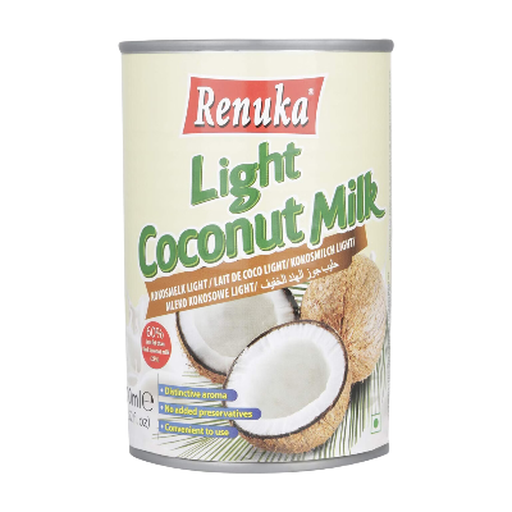
Why this suits this profile: Its 400 ml size lets you try coconut milk without having a large amount to use up. With 9% fat, it works well for soups, light curries and smoothies.
The fat content and net quantity are clearly stated, so you won't mistake a light milk for a concentrated coconut cream.
A standard 400 ml size, stated as suitable for vegetarian and vegan diets, with room temperature storage before opening.
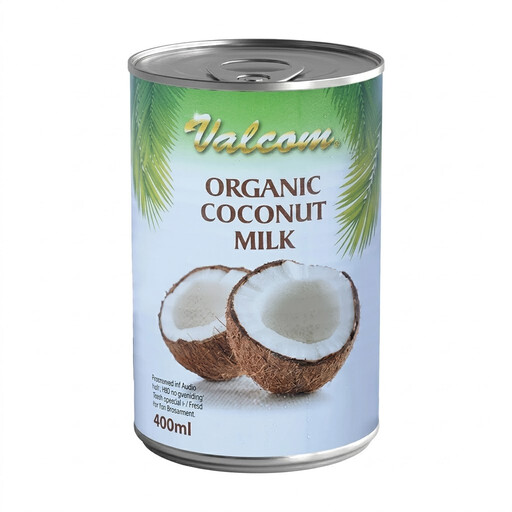
Why this suits this profile: This organic product contains 17.4 g of fat per 100 ml and 68% coconut extract. It's ideal for recipes where texture really matters.
The organic label comes with an easy-to-read ingredients list: coconut extract, water and guar gum.
A 400 ml size, high fat content and great versatility in curries, soups, desserts and drinks.
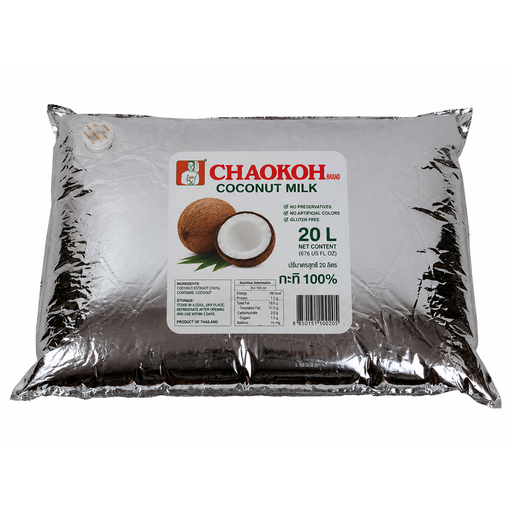
Why this suits this profile: The 20 L container is clearly aimed at restaurants, caterers and professional kitchens that regularly prepare curries, sauces or desserts.
The large size cuts down on packaging waste, but it should only be chosen for frequent use with a proper plan for storage after opening.
A stated content of 17.1 g of fat per 100 ml and a composition of coconut extract and water, with no added artificial thickener according to the listing.
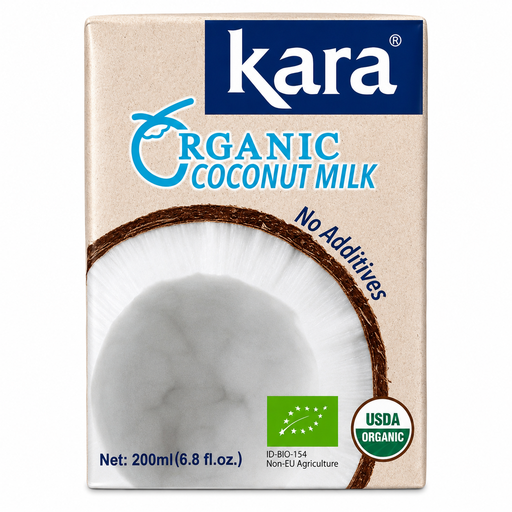
Why this suits this profile: The 200 ml carton is ideal for single portions, small sauces and occasional recipes.
The small size limits how much is left over after a recipe, unlike a one-litre carton that can be hard to use up quickly.
An organic UHT product with 17% fat, lactose-free and gluten-free according to the listing information. No added stabilisers or preservatives are stated.
We've put together a full list, updated in real time, of products that meet these demanding selection criteria and European safety regulations.
For a curry, add the coconut milk gradually so you can control the consistency of the sauce. Richer versions can also be stirred into a vegetable soup, a peanut sauce or a fragrant rice dish.
For a dessert, check the sugar content: most of the culinary coconut milks featured here are not sweetened drinks. In a smoothie, a light option or a coconut-based drink can work, but take the time to read the ingredients. For example, Alpro Coconut Barista contains soya and is quite different from a concentrated culinary coconut milk.
Culinary coconut milk is generally made without animal milk and can therefore suit a vegan diet. However, it's still essential to check the label, especially if you have an allergy or are concerned about cross-contamination. The term "lactose-free" does not automatically mean "gluten-free" or that soya is absent.
Transfer the contents to an airtight container, put it in the fridge and follow the time stated by the manufacturer. Listings often recommend using it within 3 to 5 days, depending on the size and product. Avoid leaving an open metal can directly in the fridge.
For a creamy sauce, go for a product with around 17 to 19% fat, in a 400 ml, 500 ml or 1 L size. A version with 6 or 9% fat works for a lighter preparation, but its texture will be thinner and its flavour generally milder.