
Livraison le jour même ou le lendemain

Qualité garantie

Débloquez vos offres de bienvenue: Livraison GRATUITE | Jusqu'à -80 % | 30 jours d'essai gratuits à JoyPlus
Téléchargez l'application
Coconut milk has become a staple ingredient in our kitchens, whether for simmering a fragrant curry, lightening up a dessert, or whipping up a refreshing drink. Yet, when faced with overflowing shelves, it's easy to get lost among the different labels and walk away with a product that doesn't meet your needs at all. This guide is here to bring you clarity and help you select the perfect coconut milk for your recipe, while navigating the most common traps.
The world of coconut products is more complex than it seems. Here are three things to watch out for to avoid unpleasant surprises and buyer's remorse.
To make the right choice, you only need a few key parameters to assess the quality and intended use of a coconut product.
The fat percentage is the number one criterion for determining which recipe a coconut milk or cream is best suited for.
Other derivatives exist, such as desiccated coconut, a baking star, or nata de coco, the small, gelatinous cubes found in some Asian desserts and drinks.
A short ingredients list is often a good sign. Ideally, coconut milk should only contain coconut extract and water. That's it. The presence of emulsifiers (like polysorbate E435) or stabilisers (guar gum, xanthan gum) isn't a deal-breaker; they simply prevent the fat from separating from the water (the notorious "separation"). However, a long list of additives can hide a lower-quality product with less coconut content. For specific uses like coffee, a barista coconut milk will contain additional ingredients to ensure a stable and creamy foam.
Here are a few products that meet specific needs, in line with the criteria we've just discussed.
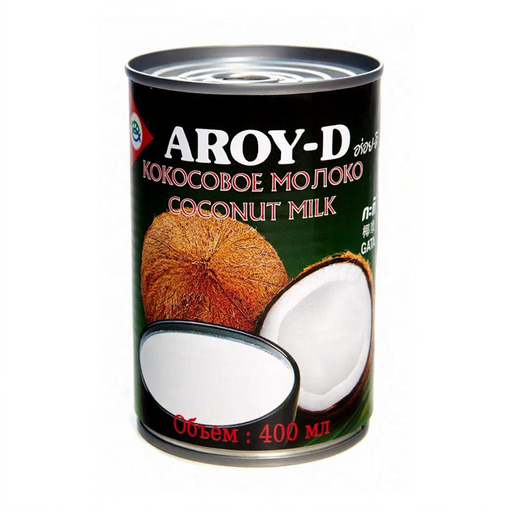
Why we chose it: This user is looking for authentic results for their curries and soups. A rich, creamy coconut milk is non-negotiable to achieve the coating texture and intense flavour of Southeast Asian slow-cooked dishes.
With its clearly displayed 19% fat content, there's no more disappointment from a watery curry. Its minimalist composition (coconut extract, water) guarantees a pure taste, free from unnecessary additives.
Rich and creamy texture, perfect for cooking. A formula without stabilisers or additives for a 100% authentic taste.
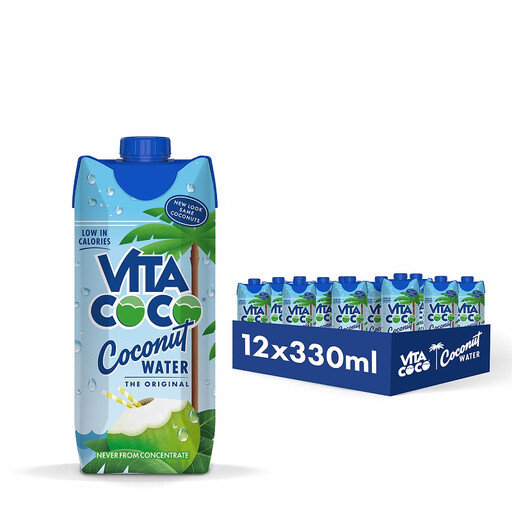
Why we chose it: This user is looking for a healthy, low-calorie, and ultra-refreshing drink for daily hydration or post-workout recovery. The single-serving format is a real bonus for taking it on the go.
There's no room for confusion here: this is clearly coconut water, not milk. The composition is crystal clear (99% coconut water), and the low-calorie product checks all the boxes for a healthy drink.
Rich in natural electrolytes and vitamin C. The multi-pack format is ideal for always having a fresh drink on hand.
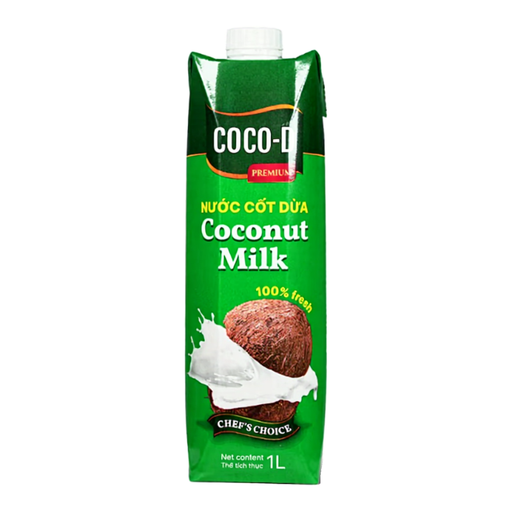
Why we chose it: For daily and varied use (dishes, desserts, drinks), the 1L format is both economical and practical. This user needs a quality product that's easy to store and versatile enough to juggle different recipes.
Its 17% fat content is an excellent compromise: rich enough for cooking, but not too heavy for lighter preparations. The UHT carton format puts an end to the waste from small cans.
Economical 1L format with a long shelf life before opening. Its creamy texture is a true all-rounder for both savoury and sweet dishes.
We have compiled a complete selection of products that meet our quality criteria and current regulations.
No, and this is completely normal. In the cold, the fat in coconut milk (the cream) separates from the water and solidifies on the surface. This is absolutely not a sign that the product has expired. To restore its smooth texture, simply place the closed can in a warm water bath for 5 to 10 minutes, or pour the contents into a saucepan and heat gently while stirring.
The main difference lies in the packaging and storage. The metal can ensures a very long shelf life and optimal protection from light. The UHT cardboard carton, on the other hand, is often more practical with its resealable cap, which is ideal if you don't use it all at once. Once opened, coconut milk in a carton can be kept in the fridge for 3 to 4 days, just like the contents of a can that you have transferred to an airtight container.
You can, but the result might be disappointing. A classic coconut cooking milk, especially a rich one without emulsifiers, is likely to "curdle" (separate into small lumps) when it comes into contact with hot coffee. For a flawless result, it's better to opt for a plant-based alternative specifically designed for this purpose, such as a barista coconut milk. Its formula is designed to mix perfectly and create a stable, creamy foam.