
Livraison le jour même ou le lendemain

Qualité garantie

Débloquez vos offres de bienvenue: Livraison GRATUITE | Jusqu'à -80 % | 30 jours d'essai gratuits à JoyPlus
Téléchargez l'application
Venturing into the Asian soy products aisle can be bewildering. With so many textures, shapes, and preparation methods, finding the perfect Chinese tofu for your recipe often feels like a challenge. The result? A disappointing meal, not because of the product's quality, but due to a simple mismatch in its application.
To avoid culinary mishaps, here are the three most common mistakes:
This guide is here to demystify it all and help you choose the perfect product for every recipe.
To ensure your dishes are always a success, a few key criteria will help you navigate the tofu jungle.
Texture is undoubtedly the number one criterion. It dictates how the tofu behaves during cooking and the role it will play in your dish.
The way tofu is packaged directly impacts its shelf life and use.
To guide you, here is our selection of must-have products, categorised by cooking style.
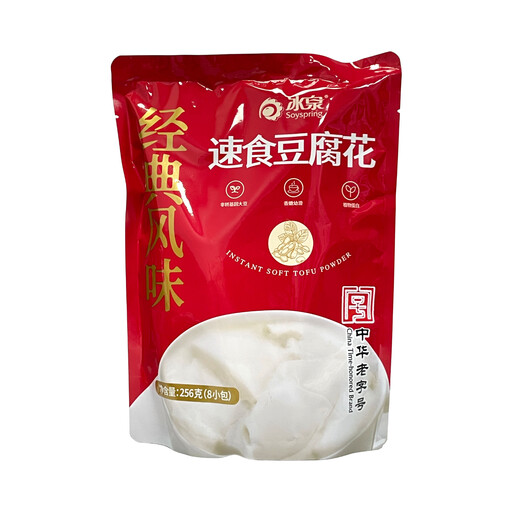
Why It's a Great Choice: Perfect for those who want to try making a traditional Chinese dessert, tofu pudding (douhua), without tackling the complex technique of coagulating soy milk.
This mix is specifically designed to achieve a silky, delicate texture. It's impossible to go wrong and ruin your dessert!
Ultra-simple and quick preparation (10-15 minutes) with just hot water. Smooth texture and a delicately sweet taste.
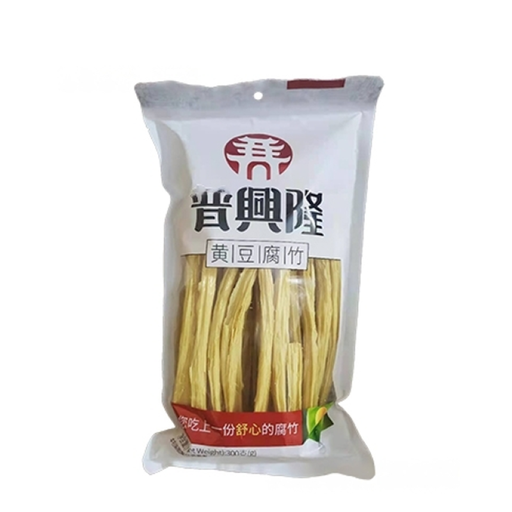
Why It's a Great Choice: Essential for hot pot lovers looking for authentic Chinese hot pot ingredients. Tofu skin (yuba) is a classic that soaks up the broth while maintaining a pleasant chewiness.
No room for confusion here. This isn't a block of tofu that will fall apart in the broth, but yuba, which is specifically made for simmering.
Rich in plant-based protein, its texture becomes melt-in-your-mouth after simmering in the broth. Versatile, it's also excellent in stir-fries and salads.
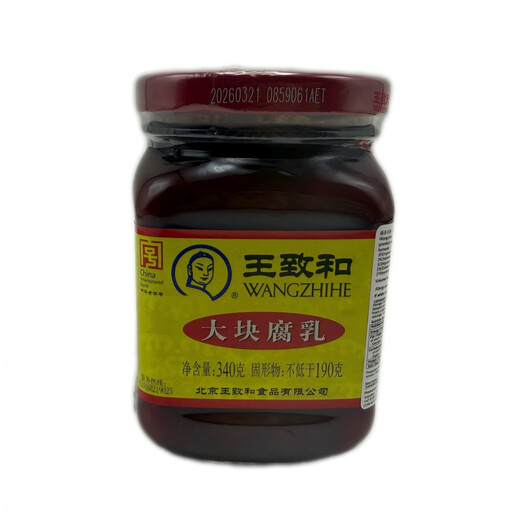
Why It's a Great Choice: For those looking to inject a deep, complex umami flavour into their dishes. Fermented tofu is a condiment, not a main ingredient: it has the power to transform a simple dish of rice or vegetables.
This product clears up any ambiguity: it's a condiment, not a tofu for cooking. Its role is very specific: to enhance flavours, not to be the base of the dish.
Ready to use with a long shelf life. A tiny cube is enough to flavour a bowl of rice, a hot pot dipping sauce, or a vegetable stir-fry.
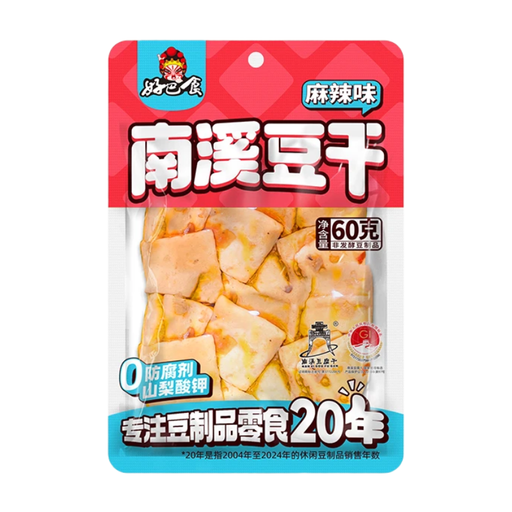
Why It's a Great Choice: A flavourful, high-protein, ready-to-eat snack. Perfect for a tasty break or to satisfy hunger with the authentic flavours of Sichuan.
This spicy tofu snack eliminates any risk related to preparation. Nothing to cook, nothing to rehydrate: it's the ultimate choice for convenience, with zero room for error.
Authentic *mala* flavour (spicy and slightly numbing). Firm and pleasant texture. High in protein (15g per 100g).
Explore our complete selection of products, all rigorously chosen for their quality and authenticity.
It all depends on the type of tofu. Fresh tofu (silken, firm) should be kept in the refrigerator. Once opened, store it submerged in a bowl of water (changed daily) and consume within a few days. Dried tofu (skin, sticks) can simply be stored in a cupboard, away from moisture. Jarred fermented tofu can be kept in the refrigerator for several months after opening. In all cases, refer to the instructions on the packaging.
Although they are both Asian soy products, their production and texture are quite different. Tofu skin (yuba) is the thin film that forms on the surface of hot soy milk. Sold in sticks or folded sheets, it becomes very tender when cooked. Dried tofu sheets (qianzhang) are made from soy pulp pressed into thin layers, giving them a firmer, smoother texture, somewhat reminiscent of lasagna sheets. They are perfect in salads or for making rolls.
Yes, absolutely. Fermented tofu is an aged product, much like a strong cheese such as Roquefort. Its powerful aroma and complex, salty flavour are the result of fermentation. It is precisely this unique character that makes it such a prized condiment.