
Livraison le jour même ou le lendemain

Qualité garantie

Débloquez vos offres de bienvenue: Livraison GRATUITE | Jusqu'à -80 % | 30 jours d'essai gratuits à JoyPlus
Téléchargez l'application
Japanese tofu comes in a range of textures, formats and storage options. Silken tofu for miso soup, firm tofu for a stir-fry or fried tofu for hot pot: the right choice depends above all on the recipe you have in mind and your cooking habits.
Some marketing claims can nevertheless be misleading. Convenient packaging does not necessarily guarantee good storage after opening, while the phrase ‘high in protein’ is worth checking against the nutrition table. Here are the key points to consider before filling your basket.
Silken tofu is recognisable by its smooth, delicate texture. It works perfectly in soups, sauces, desserts, smoothies and blended recipes, but breaks up easily in a frying pan.
Firm tofu, on the other hand, can be cut into cubes or slices and stands up better to cooking. It is suitable for salads, stir-fries, hearty soups and grilled recipes. Bear in mind, however, that the stated firmness can vary depending on the recipe and coagulation process.
Some products can be kept at room temperature before opening thanks to aseptic packaging. Others, particularly fried tofu or tofu intended for hot pot, must be stored frozen at –18 °C or below.
Always check the product page and the information shown on the label. Once opened, several products must be refrigerated and consumed within two to three days. Buying a large pack without enough storage space can therefore lead straight to food waste.
Protein content varies considerably from one recipe to another. As a guide, the products featured here contain between 4.8 and 24 g of protein per 100 g, depending on their texture and how they are made. Fried tofu may also contain more fat because it is pre-cooked in oil.
Another point to bear in mind: ‘non-GMO’ does not automatically mean ‘organic’. To find organic non-GMO tofu, check for a recognised organic certification as well as the complete ingredients list.
For stir-frying, choose tofu that can be cut without crumbling. For miso soup, a silken or firm version will give a noticeably different mouthfeel: the choice is yours between a soft, melting texture and more bite.
Most products contain soya, an allergen that must be clearly indicated. Some recipes also contain sesame, gluten, eggs or ingredients associated with frying. If you are looking for vegan tofu, rely on the ingredients list rather than just the photograph or the brand’s positioning.
A short ingredients list makes things easier to check: water, soya and a coagulant, for example. You should still check the information on the packaging of the product actually delivered.
An individual 300 to 307 g pack is suitable for a few meals and takes up little space. A tofu multipack is more practical for a family or regular consumption, provided you can use each portion before its best-before date.
Long-life formats, particularly some carton packs, do not need to be refrigerated before opening. Once opened, they should generally be refrigerated in a sealed container.
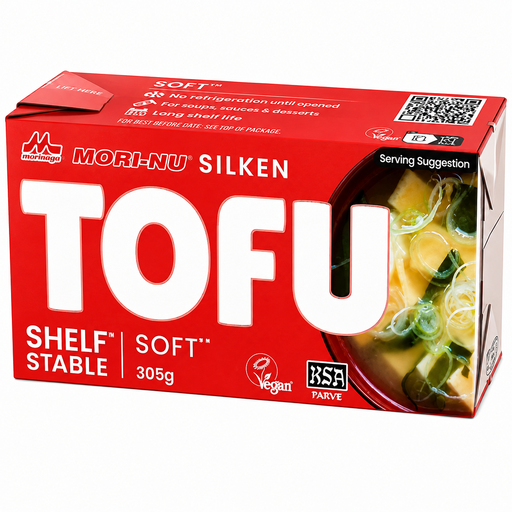
Why this choice suits this customer: Its individual format lets you try silken tofu without committing to a large quantity. Its smooth texture works equally well in soup, sauce or dessert.
The product page states that it can be stored at room temperature before opening, then consumed within the days following opening. Its stated protein content is 5.8 g per 100 g.
This soya-based product is listed as non-GMO on its product page. It is suitable for vegans and does not need to be refrigerated before opening.
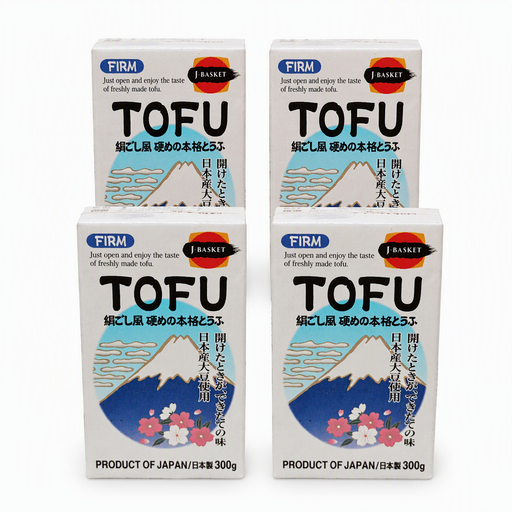
Why this choice suits this customer: This pack combines a firm texture, soya beans stated to come from Japan and convenient room-temperature storage before opening.
The four-carton pack means you do not have to open the entire stock at once. The opened portion must nevertheless be refrigerated and consumed within two days.
Each portion provides 7.5 g of protein per 100 g. The stated recipe contains only water, soya and magnesium chloride.
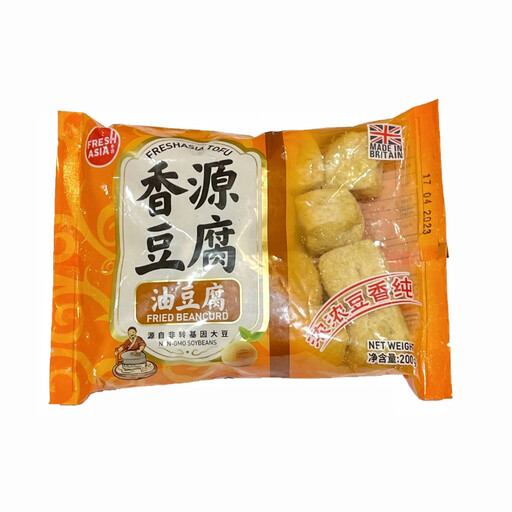
Why this choice suits this customer: Its pre-fried surface and porous interior absorb sauces and broths. It is a natural fit for stews, hot pot and stir-fries.
The product page states that it must be stored frozen at –18 °C or below. It therefore cannot accidentally be put in a cupboard alongside long-life tofu.
The stated protein content reaches 24 g per 100 g. The product must be defrosted before use and must not be refrozen.
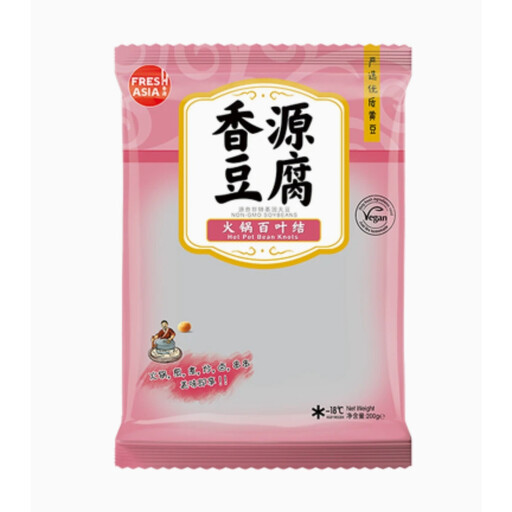
Why this choice suits this customer: Made from soya sheets, these tofu knots offer a firm texture and hold broth exceptionally well. They are made for sociable meals centred around a hot pot.
Its format and shape are clearly designed for hot pot, oden and soups. The product page also specifies the storage conditions after opening.
The stated nutritional value reaches 22 g of protein per 100 g. The listed ingredients are soya, water and salt.
We have brought together a complete, real-time selection of products that meet these demanding criteria, as well as European food safety requirements.
Silken tofu is ideal if you like very tender pieces that melt gently into the broth. Firm tofu also works very well, providing cleaner-cut pieces and a more pronounced texture.
It depends on the product. Several of the products featured state that they can be refrigerated for two to three days after opening. Place the tofu in an airtight container and always follow the instructions on the packaging as the priority.
Yes, it is generally ready to use once opened and drained. When aseptically packaged, it does not need to be refrigerated before opening. However, remember to check the best-before date, the condition of the packaging and the manufacturer’s instructions.