
Livraison le jour même ou le lendemain

Qualité garantie

Débloquez vos offres de bienvenue: Livraison GRATUITE | Jusqu'à -80 % | 30 jours d'essai gratuits à JoyPlus
Téléchargez l'application
Asian tofu is more than just a white block sold in the chilled aisle. Japanese tofu, silken tofu, firm tofu, fried tofu, tofu sheets and tofu knots for hot pot: each format has its ideal uses. Yet for vegans, vegetarians and fans of Chinese or Japanese cuisine, it is easy to feel a little lost.
A few simple checks can help you avoid disappointing purchases:
Silken tofu is soft, smooth and high in water. It can be used in soups, sauces, dressings, desserts and smoothies. It can also replace a creamy base in many plant-based recipes without noticeably altering the flavour.
Firm tofu can be cut into cubes, slices or strips. It is suitable for salads, miso soup, stir-fries and grilling. For a beautifully golden surface, dry it thoroughly before frying.
Fried tofu has a slightly firm outer layer and a porous centre. It quickly absorbs stocks and sauces, making it particularly useful for hot pot, oden, stews and stir-fried dishes.
Tofu sheets, dried tofu and tofu knots offer a more elastic bite. They hold sauces very well and can withstand longer cooking times. Tofu knots for hot pot are especially well suited to spicy broths, soups and stews.
Compare values per 100 g, rather than figures per serving: serving sizes vary from one brand to another. As a rough guide, the products featured here provide approximately:
Fried tofu may contain more protein, but it is also often higher in fat, particularly because it has been pre-cooked in oil. If you are looking for a vegan tofu with a short ingredients list, also check the amount of salt, any added oils and the full list of ingredients.
Aseptic packs of long-life tofu can be kept in a cool, dry place before opening. They are convenient for stocking up in a small home or for cooking at the last minute without having to visit the supermarket.
By contrast, several frozen products must be stored at −18 °C or below. Once thawed, do not refreeze them and cook them promptly. Once opened, tofu packaged for storage at room temperature should generally be placed in the fridge and consumed within two to three days, depending on the manufacturer’s instructions.
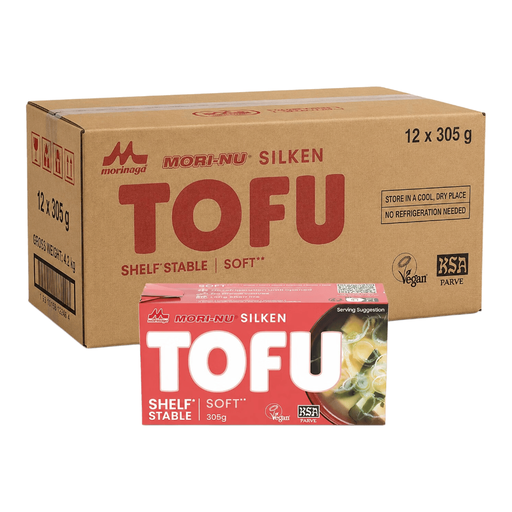
Why this choice suits this profile : This pack of twelve cartons is ideal for anyone looking to discover tofu while keeping a supply close at hand for soups, sauces and desserts.
Its aseptic packaging means it does not need to be refrigerated before opening. Its very soft texture also helps prevent you from mistakenly choosing firm tofu for a recipe that needs blending.
The product information states 53 kcal and 7.1 g of protein per 100 g. Soya and salt are among the listed ingredients.
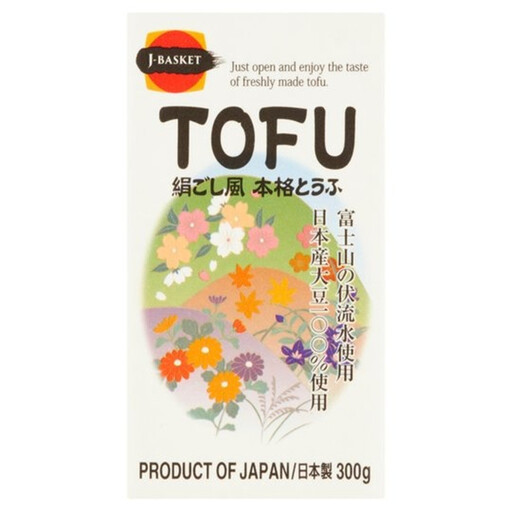
Why this choice suits this profile : With its firm yet delicate texture, this Japanese tofu works equally well in miso soup, salads, stir-fries and desserts inspired by Japanese cuisine.
Its stated firm texture reduces the risk of the pieces breaking apart during gentle cooking.
The product information lists three main ingredients: water, 26% soya and firming agent E511. The stated protein content is 5.7 g per 100 g.
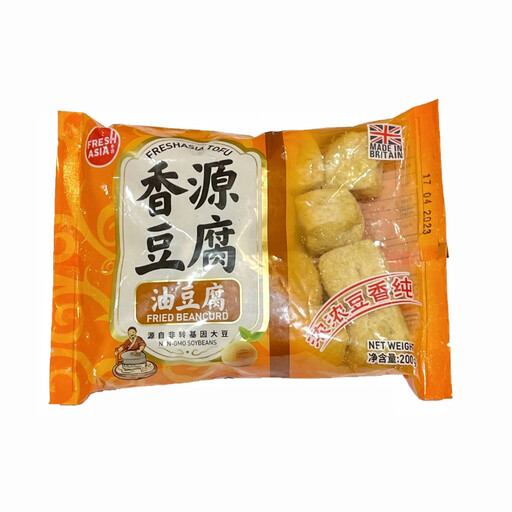
Why this choice suits this profile : Its pre-cooked surface and porous centre are made for hot pot, oden, stews and richly flavoured sauces.
The product is already fried and must be stored in the freezer. This detail helps prevent you from preparing it like standard fresh tofu.
The product information states 24 g of protein and 334 kcal per 100 g, along with preparation suited to broths and stir-fries.
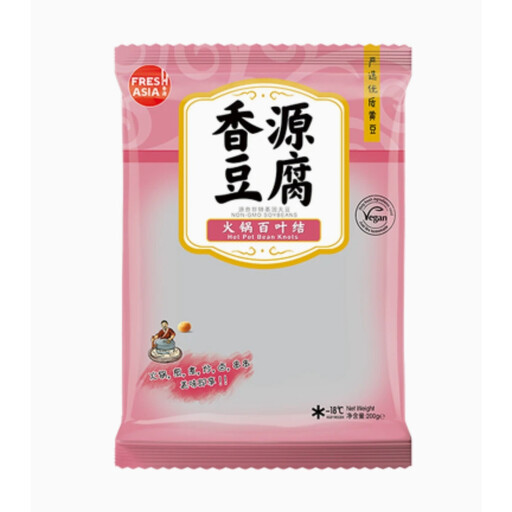
Why this choice suits this profile : The knots hold onto the broth and add a texture that is both firm and supple to sociable meals made for sharing.
Their knotted shape reduces the risk of the pieces coming apart in the pot and helps them absorb the broth quickly.
According to the product information, it provides 22 g of protein per 100 g. It contains soya, water and salt, among other ingredients.
We have put together a complete, real-time updated list of products that meet these strict selection criteria and European safety regulations.
No. Some tofus packed in aseptic packaging can be stored at room temperature before opening. Frozen products must be kept at −18 °C or below. After opening or defrosting, follow the manufacturer’s instructions and consume them promptly.
Fried tofu, tofu knots and tofu sheets are particularly suitable because they absorb the broth while retaining a firm texture. Firm tofu can also work well, provided you add it carefully towards the end of cooking.
The protein content depends on the recipe and manufacturing process. In this selection, Freshasia fried tofu and hot pot tofu knots provide 24 g and 22 g of protein per 100 g respectively, while Nordic-style dried tofu contains 16.5 g. Always check the label of the product you choose.