
Livraison le jour même ou le lendemain

Qualité garantie

Débloquez vos offres de bienvenue: Livraison GRATUITE | Jusqu'à -80 % | 30 jours d'essai gratuits à JoyPlus
Téléchargez l'application
Buying a Capri-Sun multipack might seem straightforward. However, a few details can make all the difference to whether it’s right for you. Between fruit drink, fruit juice drink and multivitamin drink, the differences in ingredients, volume and storage are well worth a closer look.
To avoid buying something that doesn’t suit your needs, be sure to check the sugar content, the proportion of juice and the pouch size. A drink that’s handy to slip into a lunchbox won’t necessarily be the best choice for a sports day or a family picnic.
When searching online, the term “fruit juice” is often used loosely. In reality, a Capri-Sun drink may contain water, sugar, juices from concentrate and natural flavourings, with the proportion of juice varying by recipe.
Capri-Sun Tropical, for example, contains 10% juice from concentrates, compared with 12% for Capri-Sun Multivitamin. These are fruit drinks, not necessarily 100% fruit juice. To know exactly what you’re buying, always check the ingredients list and the nutritional information panel.
A multivitamin drink or an electrolyte drink is not a substitute for a balanced diet or for water in your daily routine. The vitamins and minerals present should be seen as part of the recipe, without automatically assuming a medicinal effect.
According to the product information, Capri-Sun + Electrolyte recipes contain magnesium as well as vitamins C, B1 and B6. These nutrients may carry authorised nutrition claims when they meet the conditions set out in European regulations. For precise verification, the label on the product you receive is always the best reference.
A multipack of 10 x 200 ml generally fits more easily into a lunchbox. A multipack of 15 x 330 ml gives you more drink per pouch, but it’s bulkier and may be less practical for young children.
Also think about storage after opening. The product information recommends placing an opened pouch in the fridge and consuming it within 24 hours. Storage conditions before opening and the best-before date are shown on the packaging.
For school, snacks or short trips, the Capri-Sun 10 x 200 ml size keeps things compact. The 330 ml pouches are better suited to longer activities, days outdoors or anyone who wants to take a larger amount.
The Capri-Sun + Electrolyte 15 x 330 ml packs have a resealable closure, according to the product information. A handy feature if the drink isn’t finished straight away – as long as you keep it in the fridge after opening.
Start by comparing the values per 100 ml, then work them out for the actual volume in the pouch. Capri-Sun Multivitamin shows 8 g of sugar per 100 ml, which is about 16 g for a 200 ml pouch. The Capri-Sun + Electrolyte Blackberry-Raspberry and Mango-Peach recipes have 4.9 g of sugar per 100 ml, which is about 16.2 g for 330 ml.
This approach stops you being swayed by a claim like “low in calories” without considering the amount you actually drink. A larger pouch can have a noticeably different total intake, even if its per-100 ml value seems moderate.
Capri-Sun Tropical combines orange, passion fruit, pineapple and lemon. Capri-Sun Mango Peach focuses on a fruity blend based on apple juice, while the Blackberry-Raspberry flavour mixes apple, blackberry and raspberry.
For a summer treat, Capri-Sun Orange Cherry ice lollies are another option. They must be stored at –18 °C or below. Each 37 g lolly provides 34 kcal and contains 7 g of sugar, according to the product information. So these aren’t a drink to take out and about – they’re a frozen treat to keep in the freezer.
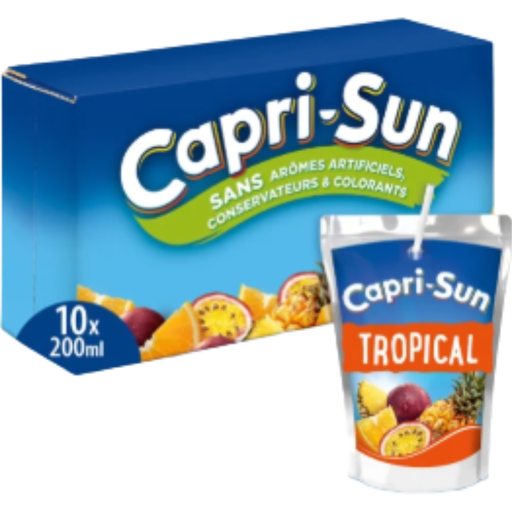
Why this suits this profile: With its 10 pouches of 200 ml, this pack fits neatly into a lunchbox and works well for snacks and first family shops. Its tropical flavour offers a change from the more classic recipes.
The product information clearly states 8 g of sugar per 100 ml and 10% juice from concentrates. So there’s no mistaking it for pure juice.
A compact pack, a citrus and exotic fruit recipe, with no artificial colours or preservatives, according to the product information.
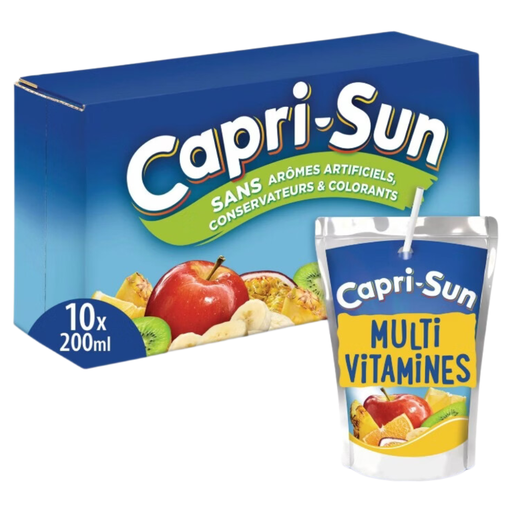
Why this suits this profile: This recipe brings together several fruit juices and vitamins in an individual pouch that’s easy to serve chilled. It’s likely to appeal to families looking for a more enriched recipe.
The product information details the fruits used, the total juice content of 12%, and the sugar content of 8 g per 100 ml.
A blend of lemon, orange, apple, pineapple, banana, kiwi and passion fruit, enriched with vitamins C, B3, E, B6, B1 and biotin.
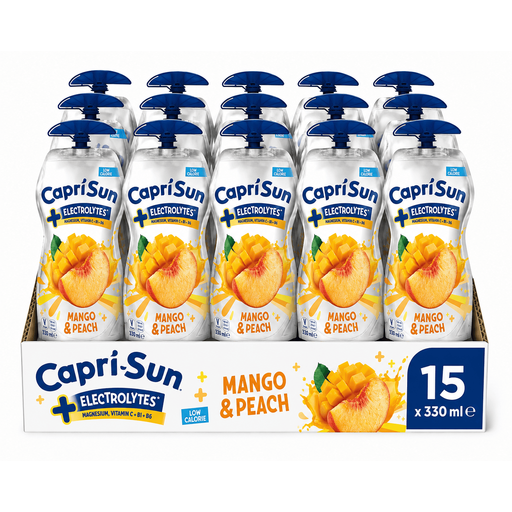
Why this suits this profile: Its 330 ml size and resealable closure make it ideal for long days out, outdoor activities and anyone who prefers a more generous pouch.
The volume, the sugar content of 4.9 g per 100 ml and the stated presence of magnesium are listed separately, making comparison easy.
15 pouches of 330 ml in mango-peach flavour, with vitamins C, B1, B6 and other vitamins listed on the product information. The recipe is said to be free from artificial colours and preservatives.
We’ve put together a full, real-time selection of products that meet these criteria as well as European safety regulations.
The product information recommends storing an opened pouch in the fridge and consuming it within 24 hours. Before opening, keep multipacks in a cool, dry place away from sunlight, and always check the date on the packaging.
The individual pouches are practical for children, but the recipe and sugar content vary by flavour. Read the label, adjust the amount to the occasion and keep water as the everyday drink. If there are any allergies or specific dietary restrictions, always check the ingredients list and any possible traces.
The 10 x 200 ml pack contains 2 litres in total and is better suited to lunchboxes. With 4.95 litres, the 15 x 330 ml pack is more for long days out or anyone wanting a larger pouch. To work out the real value of a multipack, compare its price per litre rather than just looking at the ticket price.