
Livraison le jour même ou le lendemain

Qualité garantie

Débloquez vos offres de bienvenue: Livraison GRATUITE | Jusqu'à -80 % | 30 jours d'essai gratuits à JoyPlus
Téléchargez l'application
Preparing a meal outdoors involves more than simply slipping a few plates and a saucepan into a bag. Whether you’re camping, hiking or bivouacking, every gram counts. Your equipment must also be sturdy, easy to clean and suitable for the number of people eating. A well-planned selection of camping crockery and utensils helps you avoid unnecessary purchases and unpleasant surprises once you’re settled beside a lake, on a natural campsite or in the garden.
Very lightweight equipment is easy to carry, but some items do not cope well with knocks, heat or repeated stacking. Before choosing a camping cookware set, check the material, thickness and usage conditions specified by the manufacturer. A plate designed for cold food will not necessarily replace a container that can withstand heat or cooking.
In a photo, a set may look particularly compact. Once the handles, lids and accessories have been stored separately, however, it may take up far more space than expected. For camping cookware, choose items that fit inside one another or stack together. You’ll save space both in the boot and in your rucksack.
At a pitch without access to water, a utensil that is awkward to wash quickly becomes a nuisance. Smooth surfaces and wide openings can generally be rinsed without difficulty. Deep grooves, lids with complex mechanisms and coatings requiring special care take more time and attention.
Camping stainless-steel crockery is aimed at users looking for reusable pieces that can withstand knocks. 304 stainless steel is often preferred for its resistance to corrosion and ease of maintenance. However, stainless-steel bowls and plates conduct heat quickly, so take care when handling hot food and liquids.
Aluminium, particularly when treated or anodised, helps reduce the weight of a cooking pot or cookware set. It is still essential to follow the manufacturer’s instructions, use a stable surface and allow handles and containers to cool before handling them.
Disposable 200 ml bowls can be useful for an occasional picnic or an event attended by several people. They are not intended for use in an oven, microwave, dishwasher, over flames or with very hot liquids. Their disposable nature should also be considered in light of your habits and how you manage waste.
For one person, a cup, bowl, plate and set of cutlery may be enough. For a family, it is better to count the number of pieces required carefully and consider the capacity of the containers. A large-capacity camping pot with lid is better suited to group meals, while a small nesting saucepan is more suitable for solo bivouacking.
A picnic basket for 4 people is practical when you want to transport a complete table setting in one go. Depending on the model, it may include plates, glasses and cutlery, sometimes with an insulated compartment. For actual cooking, however, make sure you have utensils and a container compatible with your camping stove.
Stackable stainless-steel cups take up very little space in a bag or cupboard. Also remember to check the stability of the handles, whether a lid is included and whether the item is compatible with your heat source. A container suitable for an induction hob will not automatically be suitable for cooking over an open fire.
After use, allow utensils to cool before putting them away. Dry stainless steel and aluminium thoroughly to reduce odours and residual moisture. For hot drinks, check that the lid is properly closed and handle the container with care.
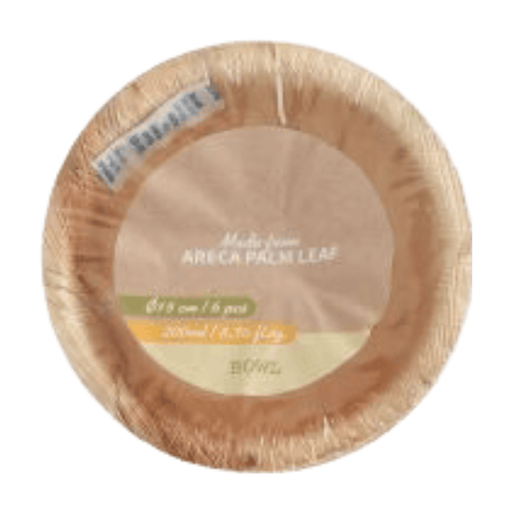
Why this choice suits this profile : This set of six 200 ml bowls is suitable for picnics, side dishes, desserts and occasional outdoor meals.
The capacity and number of pieces are clearly stated. This makes it impossible to mistake a small serving bowl for a plate intended for a complete meal.
Set of 6 pieces, 200 ml capacity per bowl, designed for picnics and camping.

Why this choice suits this profile : These two cups are designed for people who want to reuse their equipment on regular outings, both at home and when camping.
The 260 ml capacity and use of 304 steel are clearly specified. The stackable design also prevents you from underestimating the storage space required.
304 stainless steel, set of 2, wide opening and stackable design.
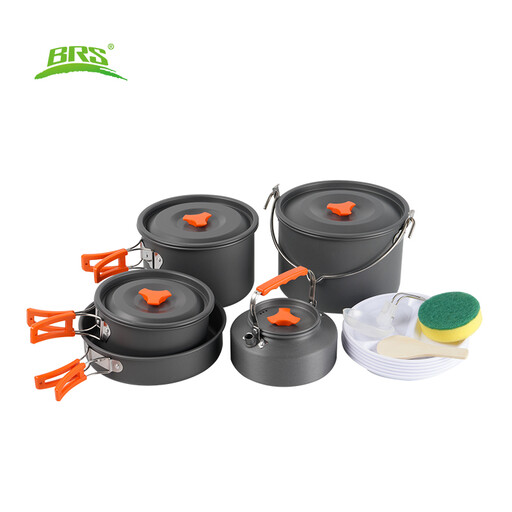
Why this choice suits this profile : This set is aimed at groups and campers who regularly cook a variety of dishes, particularly on touring holidays or extended stays.
The capacities are detailed: 4.2 L, 2.9 L, 1.7 L, 1.3 L and a 1.1 L bottle. The nesting design solves the problem of how much space the equipment takes up when stored.
Treated aluminium, nesting pieces, ergonomic handles and designs suitable for frying, boiling or simmering.
For preparing salads, a salad bowl with colander combines two functions in one accessory. The five-piece Maxcook set includes several bowls and a colander made from 304 stainless steel. Check its dimensions before ordering to make sure it will fit in your bag or outdoor kitchen : view the Maxcook salad bowl with colander.
For a meal without cooking, the traditional wicker basket for four people contains cutlery, plates and glasses. Depending on the conditions of use specified by the seller, its insulated compartment may make it easier to transport fresh food : discover the picnic basket for 4 people.
We’ve brought together a complete, real-time updated selection of products that meet these demanding criteria, as well as European safety standards.
Stainless steel is suitable for those who prioritise durability and reusability, but it is generally heavier than aluminium. For a hike where you’ll be carrying your equipment, compare the set’s total weight, its packed volume and whether it includes handles or lids. For an occasional outing, lightweight bowls can work perfectly well, provided you respect their usage limits.
Plan for at least four plates, four bowls, four cups and four sets of cutlery. Add a serving dish, saucepan or cooking pot, along with a preparation utensil. A complete basket makes transporting a cold meal easier. If you plan to cook or reheat food, camping cookware will be more suitable.
Rinse items as soon as possible, clean them with a soft sponge and dry them before stacking. Avoid abrasive products on stainless steel and follow the recommendations for each material. For cooking utensils, use only a compatible heat source and protect your hands when handling handles that are still hot.