
Livraison le jour même ou le lendemain

Qualité garantie

Débloquez vos offres de bienvenue: Livraison GRATUITE | Jusqu'à -80 % | 30 jours d'essai gratuits à JoyPlus
Téléchargez l'application
Bleach is the cornerstone of a healthy home: it disinfects, whitens, and tackles the most stubborn stains. But with an overwhelming array of gels, sprays, and tablets on the market, it's easy to get lost or choose an unsuitable product. The wrong format isn't just ineffective—it also means wasted product and money.
Before you dive headfirst into the cleaning aisle, let's review the classic mistakes that can turn your cleaning session into a fiasco:
To choose a bleach cleaner that's truly suited to your needs, three key criteria make all the difference in terms of effectiveness and convenience.
The product's texture is arguably the number-one criterion, as it dictates its application method and effectiveness on a given surface.
Instead of looking for a miracle product, opt for a formula designed for your specific problem.
Bleach is a powerful product that requires precautions. Before any purchase, one rule of thumb: read the label. Make sure the instructions are clear, especially on the following points:
To help you see more clearly, we've selected products whose format and formula meet specific needs, depending on your use case.
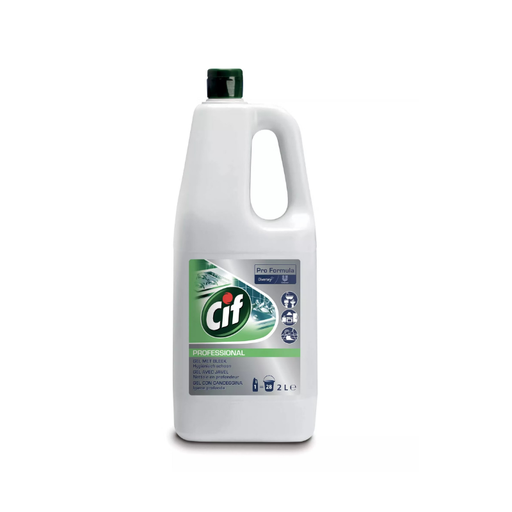
Why we chose it: The solution for those battling soap scum, limescale, and mould in the bathroom. Its professional-grade formula is designed for a deep clean of toilets, showers, and sinks.
This thick bleach gel doesn't run off like a standard liquid. It clings to surfaces for prolonged contact time, maximising its effectiveness against mould and stubborn stains.
Its gel texture clings to vertical surfaces for targeted action. The 2 L format is economical for frequent use.
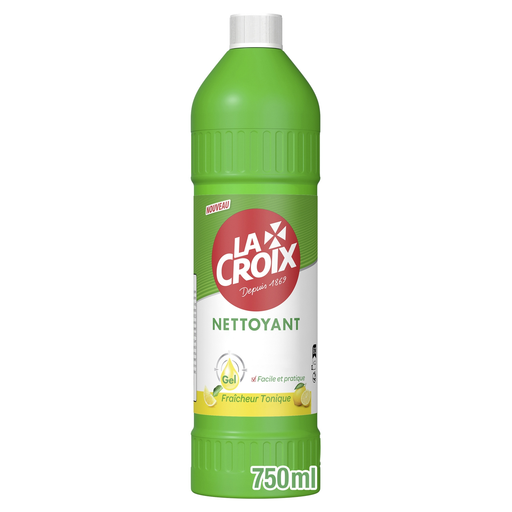
Why we chose it: Perfect for targeting specific areas like tile grout, around taps, or a precise stain, without the risk of splashing nearby surfaces.
It directly solves the problem of an unsuitable format. Its precision cap ensures controlled application, which prevents waste and accidental splashes on clothing or delicate surfaces.
The anti-splash applicator cap offers total control over the product. Its gel formula ensures the cleaner stays exactly where you apply it.
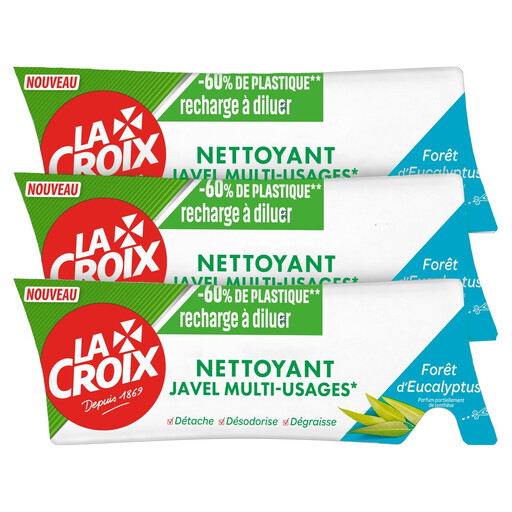
Why we chose it: For those who maintain large surfaces (floors, wall tiles) and are looking for a solution that is both versatile and economical. The refill format is also a smart move for reducing plastic waste.
Instead of a pre-diluted, underperforming "do-it-all" product, this dilutable multi-purpose bleach cleaner gives you control over the concentration. This allows you to adapt its strength for each task.
Highly economical and more eco-friendly refill format. Ideal for preparing a large amount of cleaning solution for floors and other large areas.
We have compiled a complete and up-to-date selection of products that meet our selection criteria and current safety standards.
No, and this is a critical point. You should avoid using it on porous surfaces like untreated wood, certain metals (aluminium, brass, etc.), or on coloured textiles, which bleach can damage or discolour. The best practice: always test on a small, inconspicuous area before you start. Also, remember to rinse surfaces that come into contact with food thoroughly with clean water.
It's all about texture and use. A bleach gel is thick: it clings to surfaces, making it perfect for vertical or sloped areas like the toilet bowl or shower walls. This prolongs its contact time. In contrast, a bleach spray is liquid and is sprayed in fine droplets to quickly and evenly cover flat surfaces like a countertop, sink, or table.
Yes, and this is a golden rule: it is extremely dangerous. You should never, ever mix a bleach-based cleaner with an acidic product (like vinegar, a descaler, or some window cleaners) or one containing ammonia. This chemical reaction produces chlorine gas, which is highly toxic and irritating to the respiratory tract and eyes. Always use your bleach cleaner alone and in a well-ventilated room.