
Same-day & Next-day Delivery

Quality Guaranteed

Unlock Your Welcome Offers: FREE Delivery | Up to 80% OFF | Free 30-day JoyPlus trial
Download the APP
With its fine bubbles and zesty taste, lemonade is the undisputed star of patio drinks and summer afternoons. But behind this picture-perfect image lies a dizzying array of products. Between "traditional" recipes, flavoured versions, and "zero-sugar" options, it's hard to navigate. Especially since some bottles, while appealing on the shelf, hide disappointing ingredient lists. Our guide is here to help you decode the labels and make the right choice.
Lemonade labels are riddled with marketing claims that can sometimes be misleading. Here are the key points to watch out for so you don't get fooled.
To find the perfect lemonade for you, scrutinise these three key points.
This is the ingredient that sets the tone and defines your drink's profile.
The complexity and authenticity of the taste depend directly on this element.
The ideal container will depend on your consumption habits.
To help you find the right lemonade for your needs, here are a few options that stand out for their ingredients and positioning.
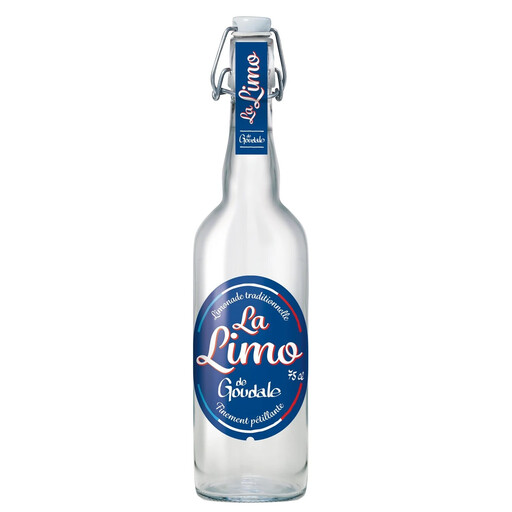
Why we recommend it: For those nostalgic for old-fashioned lemonade, this recipe inspired by brewers' tradition hits the mark. Its convivial 75 cl bottle format is perfect for large gatherings.
It avoids the "artisanal" marketing trap by relying on a concrete story (brewing tradition) and an ultra-short ingredient list: carbonated water, sugar, citric acid, and natural lemon flavour. That's it.
A straightforward, balanced, and no-fuss taste. The composition is clear and reassuring.
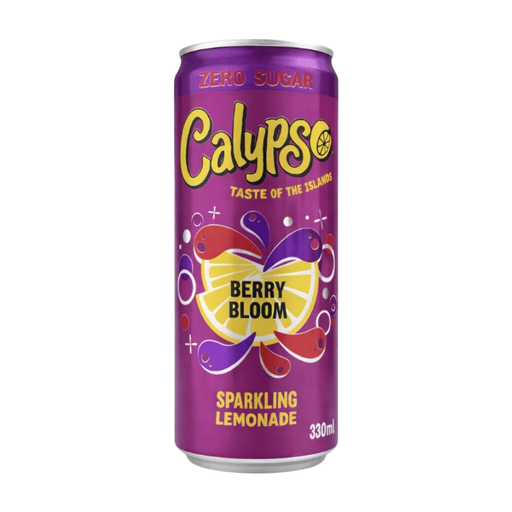
Why we recommend it: Perfect for an indulgent and sparkling break, minus the calories. Its red berry flavour is a nice alternative to classic lemon lemonade.
No unpleasant surprises here: its status as a sugar-free lemonade is clearly stated. The label mentions the sweeteners used (acesulfame K and sucralose) in black and white, allowing you to make an informed choice.
Zero sugar, zero calories, but maximum taste. The ultimate guilt-free pleasure drink.
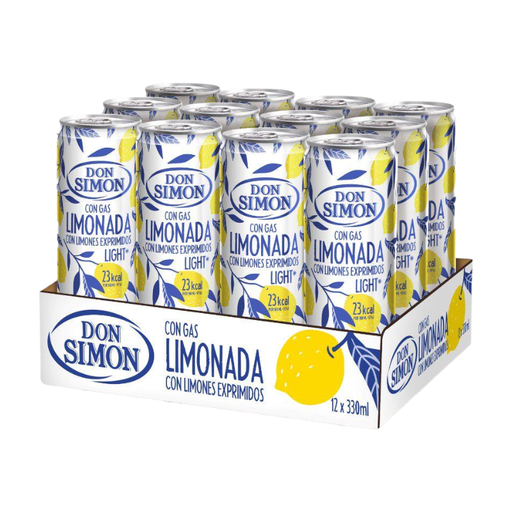
Why we recommend it: Whether for a birthday, a barbecue with friends, or just to always have a can in the fridge, this lemonade pack is the smart and economical solution. The individual format is ultra-practical to hand out and store.
This pack avoids the trap of poor value for money often associated with bulk formats. It doesn't claim to be "artisanal" but offers a simple, effective, and above all, quality recipe, with 15% lemon juice into the bargain.
An unbeatable quantity-to-price ratio, with the added bonus of a recipe made with real lemon juice, which is rare enough in this segment to be highlighted.
Discover our full selection of lemonades that meet our quality criteria and current regulations.
In theory, an artisanal lemonade is made on a smaller scale, often by an SME or a family-run business. Its ingredient list is generally shorter and "cleaner" (water, sugar, lemon juice, natural flavourings). Conversely, an industrial version may include more additives, preservatives, or synthetic flavourings. But be warned: the term "artisanal" is not a protected designation. The ultimate deciding factor is always the label and the brand's transparency.
A sugar-free lemonade is, above all, a virtually calorie-free drink. This is an undeniable advantage for people watching their weight or blood sugar levels. In return, it contains synthetic sweeteners. The choice is therefore very personal: some will prefer a little real sugar, consumed in moderation, while others will opt for zero calories. There is no right or wrong answer; the main thing is to know what you are drinking.
Once opened, it's a race against time: the fizz escapes! To preserve the bubbles and freshness as much as possible, reseal the bottle tightly (with a stopper cap if possible) and place it in the refrigerator. Ideally, consume it within 48 hours to enjoy its full fizziness.