
Livraison le jour même ou le lendemain

Qualité garantie

Débloquez vos offres de bienvenue: Livraison GRATUITE | Jusqu'à -80 % | 30 jours d'essai gratuits à JoyPlus
Téléchargez l'application
Choosing a lemonade isn’t just about grabbing the most colourful bottle on the shelf. Sugar content, amount of juice, presence of sweeteners, format and shelf life can all significantly change the taste, use and price.
Before you order a bottle or a pack of lemonades, it’s worth checking a few concrete details rather than relying solely on the word “natural”.
A strawberry, raspberry, mango or pomegranate lemonade might push its fragrance to the forefront without containing much juice or purée. To find out what’s really inside, check the ingredients list and, where available, the quantitative declaration.
For example, Don Simon Sparkling Strawberry Lemonade contains 7% lemon juice and 1% strawberry purée, while Don Simon Raspberry Lemonade lists 10% lemon juice and 0.5% raspberry purée. These figures let you compare recipes on a more objective basis.
A low-calorie lemonade may be sweetened with sugar, a sweetener, or a combination of both. The nutrition table remains the simplest way to compare products.
As a guide, the products featured here range from 13 to 42 kcal per 100 ml. However, be mindful of the actual amount you drink: a 1.5-litre bottle is not the same portion as an individual 33 or 42 cl format. Always relate the values to your usual consumption.
These two claims do not mean the same thing. A French lemonade can contain natural flavours while still including other permitted additives. For instance, Lorina Pomegranate Lemonade lists sodium benzoate as a preservative in its ingredients.
Conversely, the product sheets for the JOMO lemonades shown below state they are free from preservatives. In every case, check the label on the product you receive – the composition printed on the packaging is what counts.
For a lemon lemonade, check the percentage of lemon or lime juice. For a fruit lemonade, look at the proportion of juice or purée from the featured fruit.
If you’re after an organic lemonade, make sure the packaging carries a recognised organic certification. A product description may mention an organic recipe, but only the final labelling can confirm it.
Depending on your preferences, you might also look for specific features:
The values per 100 ml make it easy to compare brands. JOMO Ginger Ice Lemonade has 14 kcal and 3.1 g of sugar per 100 ml, compared with 38 kcal and 9.5 g of sugar per 100 ml for Lorina Pomegranate Lemonade.
Don Simon Lemonade PET 1.5 L shows 23 kcal and 5.6 g of sugar per 100 ml, with sucralose in its recipe. It could suit those looking to reduce their energy intake compared with a sweeter lemonade. That said, taste – particularly the sweet sensation left in the mouth – remains a matter of personal preference.
An individual bottle of 33 to 42 cl is ideal for meals on the go or occasional drinking. A pack of 12 x 35 cl bottles is more practical for families, parties or regular consumption.
1.5-litre bottles are well suited to serving at the table, but they generally need to be refrigerated after opening and consumed within a few days. Always check the best-before date and the instructions printed on the packaging.
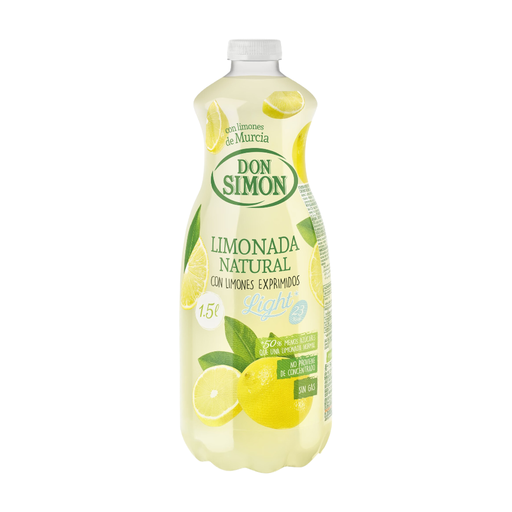
Why this choice suits this profile: Its family-sized format is ideal for everyday meals and lets you serve several people from a single bottle.
The nutrition table shows 23 kcal and 5.6 g of sugar per 100 ml – so there’s no mistaking a lightness promise for a hard fact.
15% lemon juice stated, 1.5-litre format and refrigeration required after opening.
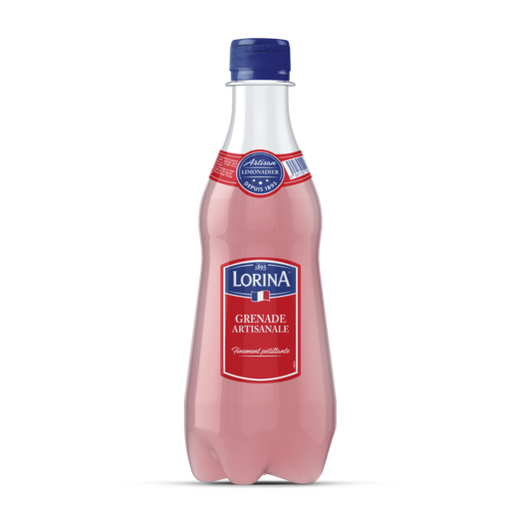
Why this choice suits this profile: Its lemon-pomegranate combination and individual 42 cl bottle will appeal to fans of fruity recipes best enjoyed well chilled.
The product sheet specifies the presence of lemon and pomegranate juice concentrates, at 1.6%, as well as the additives used.
Stated as French-made, water from Lorraine and a PET format that’s easy to carry.
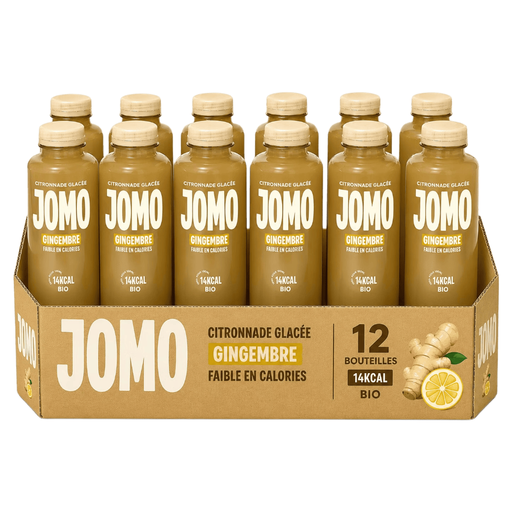
Why this choice suits this profile: The pack of 12 x 35 cl bottles is handy for the office, events or households that regularly drink individual servings.
The product sheet presents an organic, vegan and preservative-free recipe, with a detailed composition based on lemon and ginger juice.
14 kcal per 100 ml, 3.1 g of sugar, stated as produced in France and bottles made from recycled and recyclable rPET.
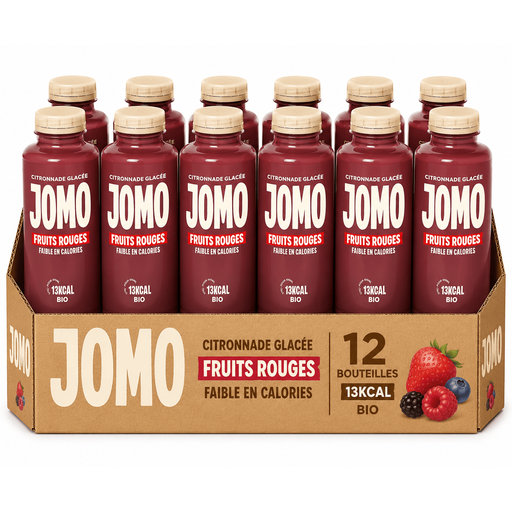
Why this choice suits this profile: Its blend of lemon, lime and red berries offers a change from classic recipes, whether at the table or during a refreshing break.
The product sheet specifies 4.5% lemon juice, 2% blackcurrant juice and the use of organic ingredients.
13 kcal per 100 ml, 3.1 g of sugar, stated as vegan and preservative-free.
We’ve put together a complete, real-time updated selection of products that meet these criteria and comply with European safety regulations.
Compare the energy value per 100 ml and the amount of sugar. Among the products featured here, JOMO lemonades have 13 or 14 kcal per 100 ml, while Don Simon recipes show 18 or 23 kcal. The type of sweetener used and the level of sweetness you enjoy also matter when making your choice.
It depends on the recipe and the manufacturer’s recommendations. Don Simon product sheets advise refrigeration and consumption within three to four days. JOMO products state three days after opening. Seal the bottle tightly and always follow the instructions on the label first.
A pack of 12 x 35 cl bottles makes storage and serving easier if you drink it regularly. A 1.5-litre bottle is more suited to table consumption. To compare the real cost, calculate the price per litre, taking into account delivery charges, available storage space and how quickly you’ll drink it.