
Livraison le jour même ou le lendemain

Qualité garantie

Débloquez vos offres de bienvenue: Livraison GRATUITE | Jusqu'à -80 % | 30 jours d'essai gratuits à JoyPlus
Téléchargez l'application
Lemonade is synonymous with refreshment, sun-drenched terraces, and pure relaxation. Yet, in the supermarket, this dream can quickly turn into a puzzle. Between tempting labels and endless ingredient lists, it's easy to make the wrong choice. Our mission: to help you see things more clearly. Let's break down the pitfalls to avoid and the criteria that truly matter for making the right decision.
Beverage marketing is overflowing with creativity, but some claims are downright misleading. Here are the red flags to keep in mind to avoid disappointment.
To avoid making a mistake, focus on these three objective criteria. They define the quality and character of a lemonade.
The ingredient list is your best ally. A high-quality lemonade will feature:
This number is the top indicator of taste intensity.
The container has a direct impact on usability and how well the fizz is preserved.
To illustrate these criteria, here are a few options that meet distinct needs and consumer profiles.
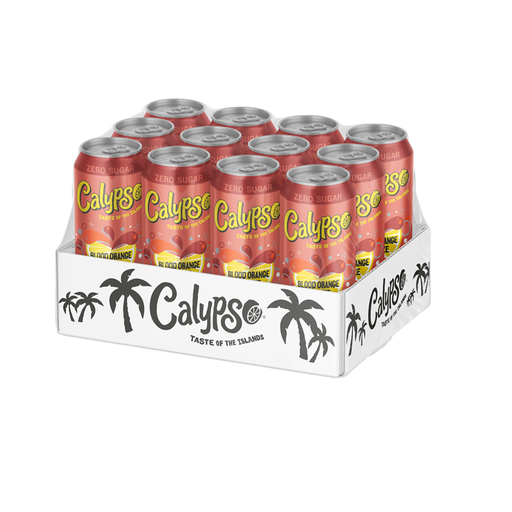
Why we chose it: The bold, sparkling drink for those who want neither sugar nor calories. The combination of blood orange and lemon is a sophisticated alternative to classic sodas. Perfect for a guilt-free refreshing break.
This product is transparent: it's a "zero sugar" drink, and the sweeteners (sucralose, acesulfame K) are clearly listed. No false promises, just intense flavour without the calories.
Zero sugar and zero calories, but maximum taste thanks to natural flavours. The 12-can multipack format is as convenient as it is economical.
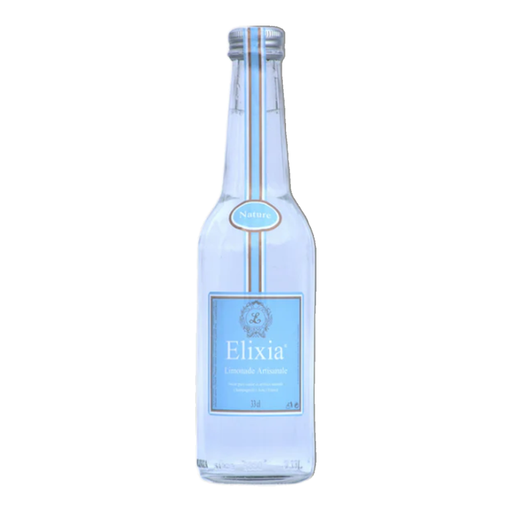
Why we chose it: For lovers of authenticity and French craftsmanship. Made in the Jura region, Elixia offers a simple and proven recipe: carbonated water, pure cane sugar, and natural flavours. It is the embodiment of high-quality artisanal lemonade.
It sidesteps the "fake artisanal" trap with complete transparency. Its ingredient list is short, high-quality, and free of unnecessary additives. Its French origin is clearly stated and verifiable.
A traditional recipe with cane sugar, free from colourings and preservatives. The glass bottle is the best guarantee for preserving taste and fizz.
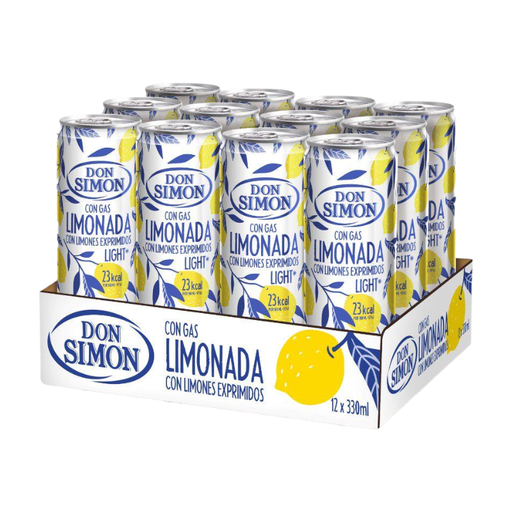
Why we chose it: The practical, crowd-pleasing solution for family meals, picnics, or drinks with friends. This lemonade delivers a true lemon taste thanks to its high juice content. Its can multipack format makes it easy to store and serve.
It stands out from simple flavoured waters with its ingredients: 15% lemon juice! This is a real lemonade, not an imitation. The added vitamin C is a nice bonus.
Excellent value for money with its lemonade multipack format. The high juice content guarantees an authentic flavour that will please everyone.
Explore our full selection of lemonades, all chosen according to the criteria in this guide.
1. What is the difference between lemonade and sparkling flavoured water? The difference is all in the ingredients. A lemonade is made from a base of lemon juice (or other citrus fruits), water, and sugar (or sweeteners). Sparkling flavoured water, on the other hand, is simply carbonated water with added flavours, without necessarily containing any fruit juice. The key takeaway: check for the presence and percentage of juice on the ingredient list.
2. How should I store lemonade once the bottle is open? To best preserve the fizz and freshness, reseal the bottle tightly and keep it in the refrigerator. Ideally, consume it within 2 to 3 days. Single-serving cans should be enjoyed immediately after opening to get the full sparkling experience.
3. Is sugar-free lemonade really healthier? A sugar-free lemonade drastically reduces your calorie and carbohydrate intake, which is a plus for certain diets. It uses sweeteners to maintain its sweet taste. The choice therefore depends on your personal goals and your sensitivity to these substitutes. In any case, the nutritional information on the label remains your best guide for making an informed choice.