
Same-day & Next-day Delivery

Quality Guaranteed

Unlock Your Welcome Offers: FREE Delivery | Up to 80% OFF | Free 30-day JoyPlus trial
Download the APP
Duct tape is the indispensable ally of every DIYer. Whether you're patching a leak, bundling cables, or attempting a last-ditch repair, its versatility is legendary. But be warned: not all tapes are created equal. The wrong choice can quickly turn a quick fix into a real headache. To avoid getting caught out, here are the most common pitfalls that can sabotage your repairs.
To avoid falling into these traps, it's crucial to understand what makes a truly high-performance repair tape.
Don't judge a tape by its colour or price—that's a classic mistake. The performance of an extra-strong tape depends on very specific technical characteristics. Here are the three points to check to make the right choice.
The adhesive is the core of its performance. There are two main types:
The "duct" or "cloth" in duct tape refers to its structure. It's typically a fabric mesh (scrim) embedded in a polyethylene backing. This structure gives the tape its tensile strength and tear resistance while still allowing it to be torn cleanly by hand. The thickness of the backing is a good indicator of its robustness: a thicker backing ensures better durability, a crucial point for a repair tape intended for intensive applications.
For repairs exposed to the elements, this feature is essential. A waterproof adhesive tape must have a backing that repels water to protect the adhesive. For outdoor applications or on transparent surfaces, UV resistance is just as critical. Without it, the tape will eventually degrade, become brittle, and turn yellow in the sun, ruining both the look and the strength of your repair.
There's a tape for every need. We've selected products for you that meet different use cases while sidestepping the classic pitfalls.
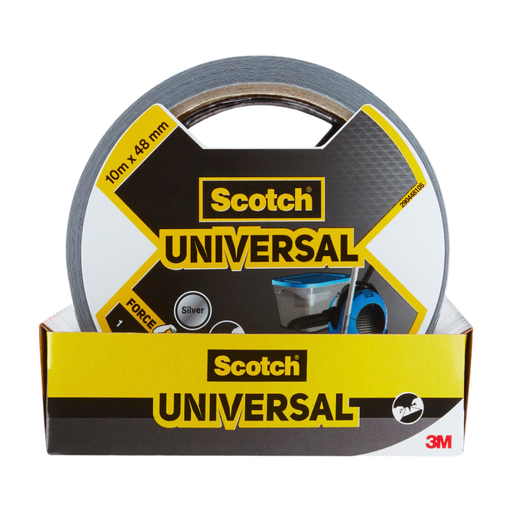
Why we chose it: For small repairs, cable management, or temporary fixes at home and in the office. It's the Swiss Army knife of adhesive tapes—the one you're always glad to have on hand.
Its design allows it to be torn easily by hand without fraying, saving you from a meltdown over a stubborn tape. Its synthetic adhesive ensures reliable performance for common uses.
Versatility and ease of use for all kinds of small tasks around the house.
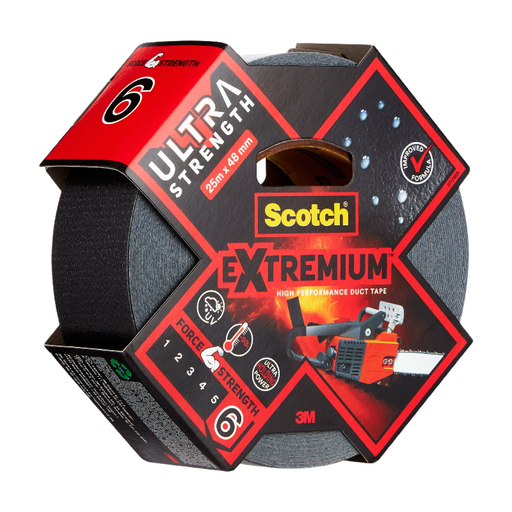
Why we chose it: For tradespeople, seasoned DIYers, and anyone facing heavy-duty repairs. Perfect for difficult surfaces like metal, plastic, or smooth concrete.
It counters the classic problems of weak adhesion and poor durability. Its ultra-thick backing and powerful natural rubber adhesive guarantee a fail-proof hold, even in tough conditions.
Immediate adhesion and maximum strength for heavy-duty jobs, with a waterproof backing.
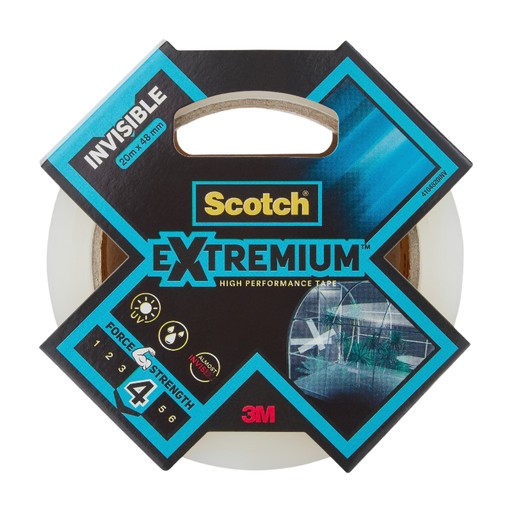
Why we chose it: Perfect for repairing glass or transparent plastic objects where appearance matters. Ideal for a greenhouse, a cracked window, or a car headlight while waiting for a replacement.
Its high UV resistance prevents it from yellowing over time—a deal-breaking flaw in low-quality clear tapes. Its design, with no visible mesh, ensures a nearly invisible repair.
Discretion and longevity thanks to its transparency and UV resistance.
Duct tape is just one solution among many. For very specific needs, a dedicated fabric cloth might be a better solution.
Although they look similar, their uses are very different. Duct tape has a glossy polyethylene finish and a very strong adhesive that can leave residue. It's designed for permanent repairs and holds up well to moisture. Gaffer tape, used in the entertainment and event industries, has a matte cloth finish that doesn't reflect light. Its adhesive, while strong, is designed to be removed without leaving a trace, which explains its higher price and lower water resistance.
Sticky residue can be stubborn. To remove it, soak a cloth in isopropyl alcohol, white spirit, or a commercial adhesive remover. Apply it to the residue, let it sit for a few minutes to dissolve the glue, then rub gently. Always test on a small, inconspicuous area first to ensure the solvent doesn't damage the surface.
For a low-pressure leak (on a garden hose, for example), a high-quality waterproof adhesive tape can be a temporary emergency solution. For maximum effectiveness, the surface must be perfectly clean and dry before applying the tape. Wrap it very tightly around itself several times. However, this is no substitute for a proper, professional plumbing repair.