
Livraison le jour même ou le lendemain

Qualité garantie

Débloquez vos offres de bienvenue: Livraison GRATUITE | Jusqu'à -80 % | 30 jours d'essai gratuits à JoyPlus
Téléchargez l'application
Finger painting is a wonderful introduction to creativity for toddlers. It's a hands-on activity for babies that awakens the senses, develops fine motor skills, and promises unforgettable bonding moments. But when faced with shelves full of promises, choosing the right product can quickly become a headache. Between marketing jargon and technical sheets, it's easy to make a mistake, turning a moment of joy into a source of stress.
Before you get started, here are the most common pitfalls to avoid:
This guide is here to help you see things more clearly and choose THE ideal baby finger paint: one that is fun, practical, and above all, perfectly safe.
To avoid making the wrong choice, focus on a few essential points that truly make a difference.
This is THE non-negotiable criterion. A good non-toxic paint for children needs more than just a vague mention on the box. Insist on compliance with the European EN 71 standard, which regulates toy safety. This certification guarantees that the paint does not contain harmful substances at dangerous levels.
For children under 3, and especially for a finger paint for ages 1 and up, a dermatologically tested product is a real plus. It limits the risk of reactions on delicate skin. And even though these paints aren't meant to be eaten, a water-based formula with ingredients of natural origin offers welcome peace of mind.
Be careful, the word "washable" can mean many different things. An excellent washable baby paint must come off easily with soap and water on skin, but also on most textiles and surfaces. Look for terms like "ultra-washable" or "super washable." To avoid any unpleasant surprises, a good habit is to protect the play area and have your budding artist wear an apron (or old clothes). Also, remember to rinse a fresh stain with cold water before putting it in the washing machine.
A child's enjoyment largely depends on the quality of the paint. A good finger gouache should have a creamy and thick texture that doesn't drip. It should be pleasant to the touch and spread effortlessly so the child can let their exploration run free. Also, consider the pots: they should be wide enough to dip hands into, stable to prevent disasters, and easy to close to preserve the paint.
Because every family is unique, here is our selection of products suited to different needs, all approved based on our safety and practicality criteria.
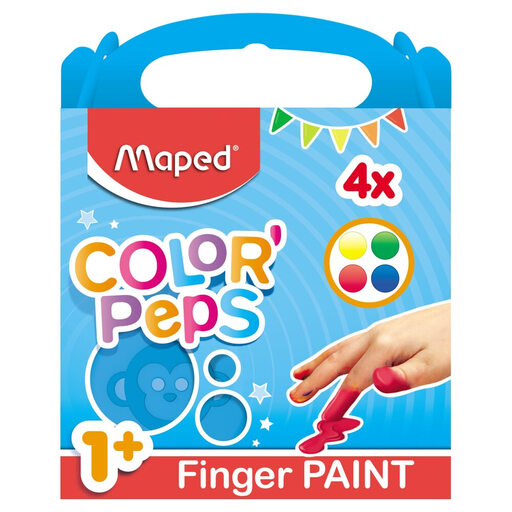
Why it's a great choice: This kit is designed as THE perfect first paint kit for toddlers from 1 year old. It gets straight to the point: safety, simplicity, and sensory fun.
Its dermatologically tested formula removes any doubts about safety. Its thick, non-drip texture and water-washable formula simplify clean-up. Goodbye, frustration!
Ready-to-use kit with 4 bright colours. Creamy texture perfect for little hands. Complies with toy safety regulations.
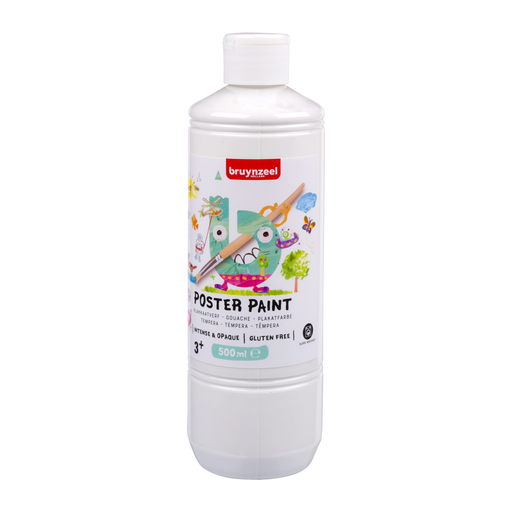
Why it's a great choice: Childminders, nurseries, or large families: when you paint often, you need to think big. This 500 ml size is both economical and perfect for regular activities.
Its water-based formula, made from 98% natural ingredients, is reassuring. Very easy to clean from most fabrics, it's the smart choice for heavy use where little accidents are part of the fun.
Large, very economical size. 98% natural composition. Versatile: paper, wood, cardboard...
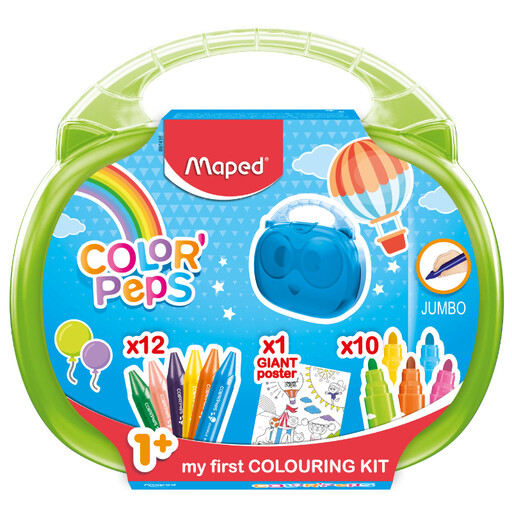
Why it's a great choice: For parents who want to introduce their child to colour while minimising clean-up, this case is the perfect alternative. It offers structured tools well-suited for little hands.
This kit solves the clean-up issue. The ink in the felt-tip pens is ultra-washable, and the wax crayons don't stain hands. The result: a cleaner, more controlled creative experience.
Jumbo, triangular shape for an easy grip. Ultra-washable ink. Convenient carrying case.
Discover our full selection of products that meet our criteria for safety and quality.
Generally, it's recommended to start from 1 year old, or even 18 months. At this age, the reflex to put everything in their mouth lessens, and the child can sit up well. The key is to choose products specifically designed for toddlers and to always, always supervise the activity.
The secret is to act fast! Immediately rinse the stain with cold water (never hot, as it sets the pigments). Gently rub with a mild soap or a fabric stain remover before putting the garment in the washing machine. With an "ultra-washable" paint, a simple rinse is often enough.
Paints that comply with the EN 71 standard are non-toxic. In practical terms, accidentally ingesting a small amount does not pose a danger. However, this does not mean they are edible! Supervision is therefore essential to prevent your child from mistaking the pots for a snack. A trick some brands use is to add a very bitter-tasting agent to discourage little tasters. In any case, a good hand wash is necessary after each session.