
Livraison le jour même ou le lendemain

Qualité garantie

Débloquez vos offres de bienvenue: Livraison GRATUITE | Jusqu'à -80 % | 30 jours d'essai gratuits à JoyPlus
Téléchargez l'application
By our product expert, August 27, 2026
Painting is a fantastic gateway to creativity. But when faced with overwhelming store shelves, a fun activity can quickly turn into frustration (for both you and your child). To make the right choice, you need to learn how to decode marketing claims and focus on what truly matters?: your child's safety and your peace of mind.
To ensure your children's craft activity is a success, here are the points to check before you buy.
Safety is the non-negotiable criterion. A quality non-toxic paint must state its compliance with the European standard EN 71, which regulates toy safety. This certification ensures the product does not contain harmful substances in dangerous quantities. For toddlers who love to get their hands messy, opt for water-based paints and, we repeat, those that have been dermatologically tested.
A washable paint needs to be washable on skin, but especially on most fabrics. Read the manufacturer's instructions on this carefully—it's crucial. The packaging is just as important?:
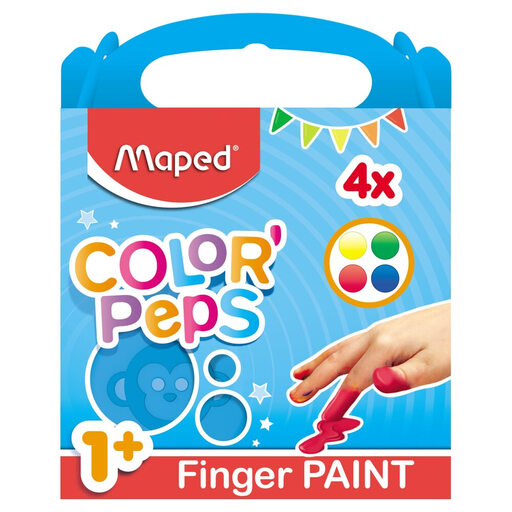
Why we chose it ? Specially designed for toddlers from 1 year old, this finger paint promotes sensory development in complete safety. Its creamy, non-drip texture is perfect for little hands discovering the joy of getting messy.
This product goes beyond just being "non-toxic." Its formula is dermatologically tested, a guarantee of peace of mind for direct contact with babies' fragile skin.
The formula is water-washable, which makes cleanup on skin and most fabrics much easier. The pots are stable and easy to handle.
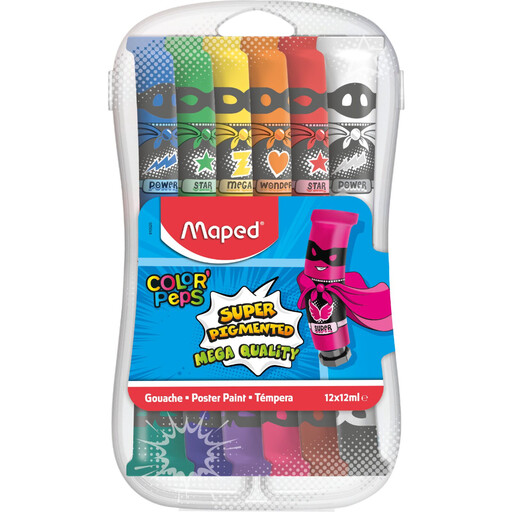
Why we chose it ? A classic for school projects and creative afternoons at home. This gouache set offers bright, mixable colours in ultra-practical tubes with caps that never get lost.
It's a truly well-designed kit. The plastic storage case also serves as a 4-well palette, and the "flip-top" caps attached to the tubes put an end to the hunt for lost caps.
Ultra-high coverage, pigment-rich formula for brilliant colours. Complies with toy regulations for use with complete peace of mind.
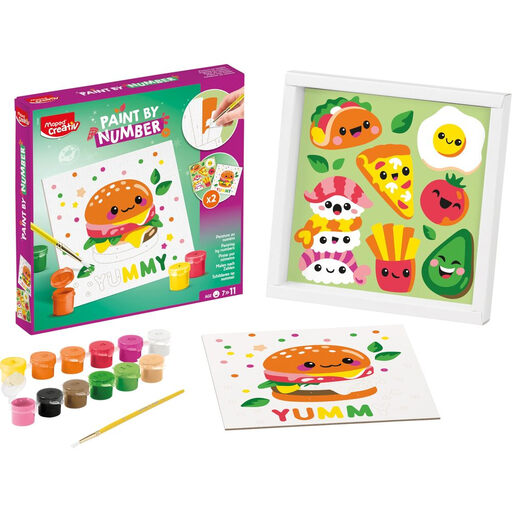
Why we chose it ? Perfect for children who enjoy structured activities. This paint-by-numbers kit provides a reassuring framework that guarantees a beautiful result, while developing concentration and precision.
This is a truly all-in-one kit. It contains everything you need : 2 boards, 1 fine-tip brush, 12 paint pots, and even a frame to display the masterpiece. No unpleasant surprises, no extra purchases needed.
The water-based acrylic paint is odourless, fast-drying, and easy to clean up from hands and brushes. The colours are ready to use and require no mixing.
Discover our full selection of products that meet our strict safety and practicality standards.
The journey can begin very early, from 12 months, with a suitable finger paint and under constant adult supervision. This activity is excellent for sensory development. Around age 2 or 3, they can start using large brushes with children's gouache for more controlled work on their fine motor skills.
For a water-based washable paint, speed is the secret. On skin, warm water and soap are sufficient. For clothes, immediately rinse the stain with cold water (hot water can set the pigments!) before putting the garment in the washing machine. On smooth surfaces, a damp cloth is enough if the paint is still wet. In any case, the best advice remains the same?: protect your workspace and bring out the aprons!
Gouache is opaque and has high coverage. Its colours are vibrant and it's easy to get started with because it's forgiving of mistakes (you can paint over a dry layer). Watercolour, on the other hand, plays with transparency and the light of the paper. It requires more technique to master water control and layering, making it better suited for older or more experienced children.