People looking for a protein-rich snack
If you plan to eat almonds on their own or add them to yoghurt, porridge or a salad, check the protein content per 100 g. If you prefer an unsalted snack, check the ingredients too.


To include almonds in a high-protein diet, compare the protein content per 100 g, then choose a portion to suit how you plan to eat them. If you’re looking for an unsalted snack, check the ingredients rather than relying on the word ‘natural’. If you need to avoid certain foods, check the ingredients and any ‘may contain’ warnings on the exact pack. Almonds are not suitable for anyone with an almond allergy.
If you plan to eat almonds on their own or add them to yoghurt, porridge or a salad, check the protein content per 100 g. If you prefer an unsalted snack, check the ingredients too.
Look for a claim that specifically matches what you need to avoid on the product you’ve chosen. ‘Gluten-free’, ‘lactose-free’ or ‘soya-free’ does not mean ‘nut-free’.
Read the ingredients and ‘may contain’ warnings on every pack. The Auchan product listing for Pouce almonds, for example, warns that they may contain traces of other nuts, peanuts, gluten, soya, sesame and sulphites.
Start with any allergens you need to avoid, then compare the nutritional information and ingredients of products that meet your needs.
| Criterion | What to check | Who it matters to |
|---|---|---|
| Allergens | Read the ingredients and ‘may contain’ warnings on the exact pack. A ‘free from’ claim must name the ingredient you need to avoid. | If I need to avoid an allergen, a general claim isn’t enough to decide whether these almonds are suitable for me. Around 33% of consumers put this first. |
| Protein and portion size | Compare the protein content per 100 g and factor in the portion you’ll eat; check the energy value too. | When putting together a protein-rich snack, I want to know what I’ll get from the amount I plan to eat. This is the top priority for around 27% of consumers. |
| Ingredients and salt | Check the ingredients list and look for an explicit ‘no added salt’ claim. | If I eat almonds regularly as a snack, I prefer to check that they’re neither salted nor sweetened. Around 27% of consumers prioritise the ingredients first. |
| Pack size | Compare the net weight with how often you plan to eat them, after checking that the product meets your dietary requirements. | For occasional use, I look for an amount I can finish; for regular use, a larger pack may be more convenient. Pack size comes first for around 13% of consumers. |
To put these criteria into context, the Monoprix listing for Vico Natur' & Bon almonds, 180 g, gives 26 g of protein and 640 kcal per 100 g. These values apply to this product, not all almonds. Manger Bouger recommends a small daily handful of unsalted, unsweetened nuts without chocolate; this recommendation doesn’t mean you can skip checking for allergens.
The Carrefour listing for FruitsTropicaux almonds says ‘gluten-free’, ‘lactose-free’ and ‘soya-free’, but the product is still made from almonds. An ingredients list containing only almonds doesn’t rule out possible traces of other allergens either.
First identify the allergen you need to avoid, then check the ingredients and ‘may contain’ warnings on the pack you’ve chosen.
The Monoprix listing for Vico Natur' & Bon almonds, 180 g, gives both 26 g of protein and 640 kcal per 100 g. So eating more will also increase your energy intake.
Compare the values per 100 g, then consider the portion you actually plan to eat.
A product’s name doesn’t answer every question about its ingredients or potential allergen traces. Check these details separately.
If it’s important to you, look for an explicit ‘no added salt’ claim, then check the ingredients and ‘may contain’ warnings.
A pack size suited to regular snacking doesn’t guarantee that the product is suitable for your dietary requirements or meets your nutritional needs.
Check the label on the exact product first, then choose an amount to suit how you plan to use it.
The details below apply to the products listed, not to every product from these brands. Always check the label on the product you’re thinking of buying.
Unroasted, unsalted almonds in a 180 g pack, according to the Monoprix and Auchan listings for this product.
Organic natural shelled almonds in a 1 kg pack, featured in a Carrefour listing.
Organic, unroasted shelled almonds in a 90 g pack, according to the Carrefour listing.
Natural shelled almonds in a 500 g pack, according to the Carrefour listing.
Natural almonds in a 200 g pack, according to the Auchan listing.
These two packs are suited to flavoured snacking. Their seasoning makes them different from natural almonds with no added salt, if that’s your main priority. Check the label too if you need to avoid certain foods.
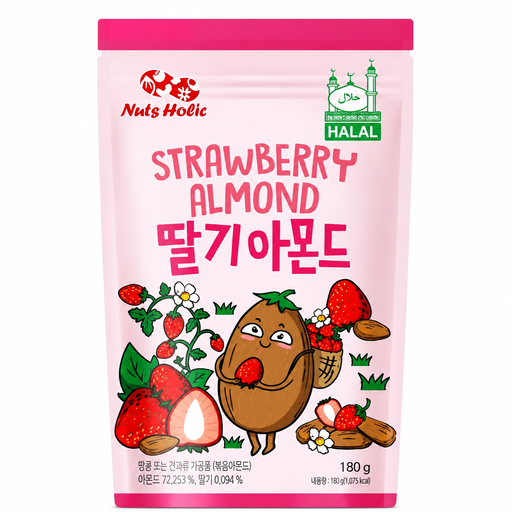 Image unavailable
A 180 g pack to consider if you’re looking for flavoured almonds to snack on or add to a recipe. These almonds are coated, so they’re not the right choice if you’re looking for natural almonds. Check the ingredients and allergen information if you need to avoid milk, gluten or other ingredients.
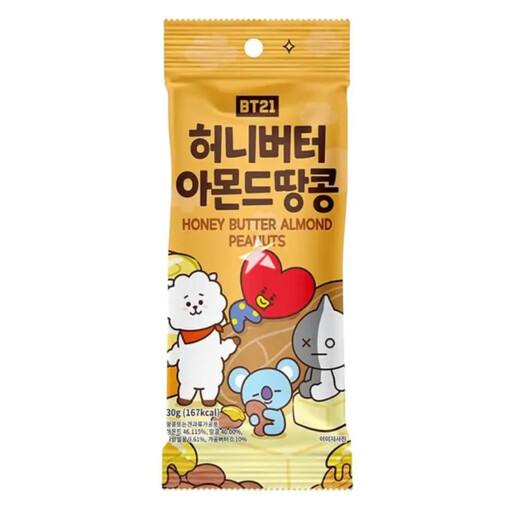 Image unavailable
The 30 g pack may suit you if you’re looking for a small bag of flavoured almonds to take with you. The honey and butter seasoning isn’t suitable if you’re looking for natural almonds or no added salt. If you need to avoid milk, soya or other allergens, check the packaging before buying.
No. ‘Gluten-free’ refers to gluten, but almonds are still an ingredient in the product. To avoid another allergen, check the ingredients and ‘may contain’ warnings on the exact product.
Check the ‘protein’ line in the nutritional information per 100 g on each pack, then work out how it relates to the portion you plan to eat. The Monoprix listing for Vico Natur' & Bon almonds, 180 g, gives 26 g of protein and 640 kcal per 100 g for this product.
Look for a product whose label confirms the ingredients you want, rather than relying on the word ‘natural’ alone. Manger Bouger recommends a small daily handful of unsalted, unsweetened nuts without chocolate.
This warning indicates that the named allergen may have been introduced through cross-contamination; it’s different from an allergen listed as an ingredient. The DGCCRF states that allergens present in the ingredients of prepacked foods must be highlighted, while cross-contamination warnings are voluntary. If you need to avoid the allergen named, take this warning into account for the product concerned.